

11 Budget-Friendly Skin Care Swaps for Dry Winter Skin
If your face feels tight the second you step out of the shower, you already know what winter does to skin. The moisturizer that worked fine in July suddenly isn’t cutting it, and the skin care aisle is full of pricey jars promising relief you’re not sure you can afford right now. Here’s the good news. Some of the best fixes for dry winter skin aren’t expensive at all. They’re small swaps, using things you probably already have, that make a real difference. This list walks you through 11 budget-friendly skin care swaps that actually help with dry winter skin, without asking you to overhaul your whole routine or your whole budget.
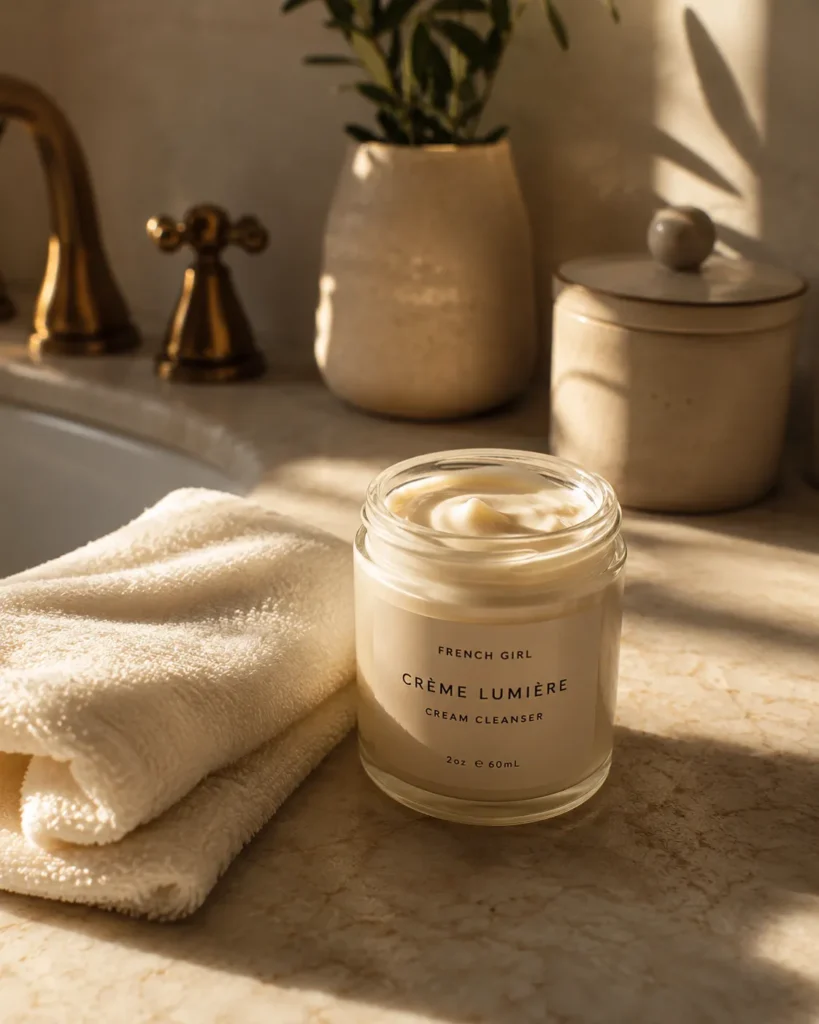
1. Swap Your Foaming Cleanser for a Cream or Oil Cleanser
Foaming cleansers feel satisfying, but that squeaky clean feeling is often your skin barrier crying for help. Foaming formulas tend to strip natural oils, which is the last thing dry winter skin needs. A cream or oil cleanser cleans just as well but leaves a thin layer of moisture behind instead of washing it all away.
This swap works best for anyone whose face feels tight within minutes of washing it, even right after moisturizing. You do not need a luxury brand here. Drugstore cream cleansers usually run under 10 dollars and last for months. The common mistake is assuming a thicker formula means it is not cleaning properly. In reality, cream cleansers still lift dirt and makeup, they just do it gently instead of aggressively.
2. Replace Alcohol-Based Toner With a Hydrating Mist
Old-school toners were built to strip oil, which made sense for oily summer skin but backfires badly in winter. Alcohol dries the skin further and can leave it red or irritated within days. A hydrating mist, even a basic rosewater or aloe spray, adds moisture back instead of pulling it away.
If your skin has been flaky along the nose or forehead, this is often the first place to look. Keep the mist on your nightstand and spritz your face before applying moisturizer, letting it soak in for a few seconds first. A small bottle costs about the same as a coffee run and lasts weeks. Picture your skin drinking in that light mist before the cream locks it all in.

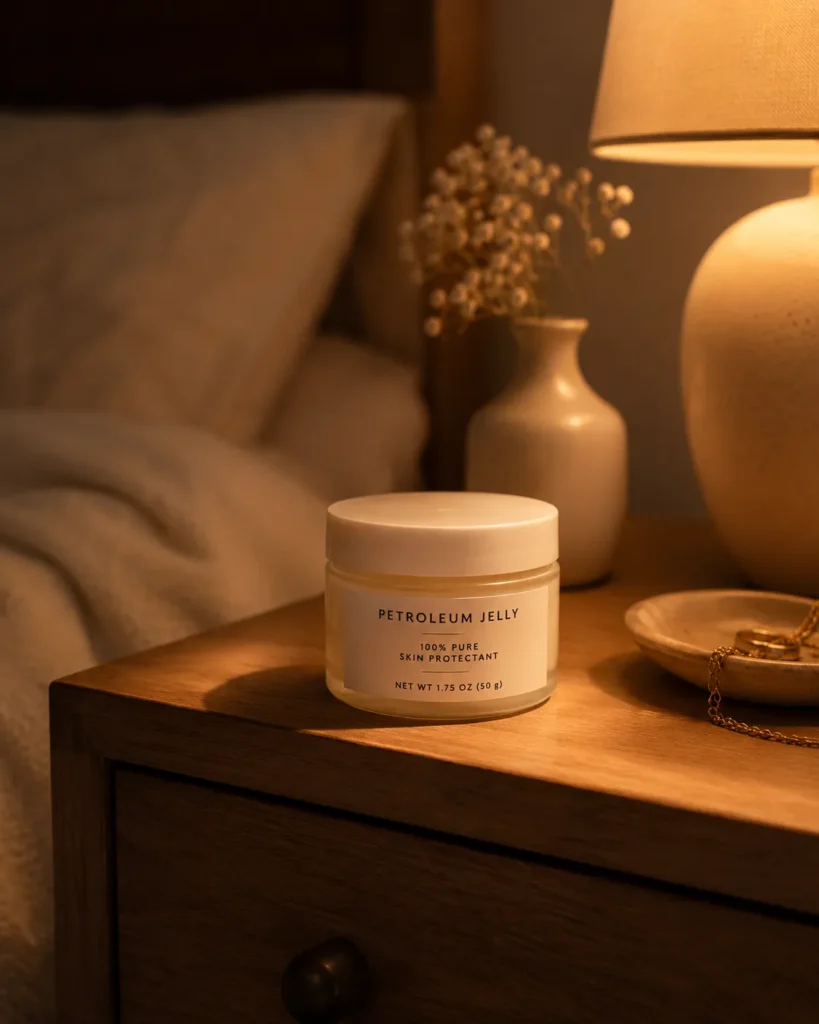
3. Use Plain Petroleum Jelly on Cracked Spots Instead of Fancy Balms
Cracked knuckles, chapped lips, and rough elbows do not need an expensive repair balm. Plain petroleum jelly, the kind that costs a few dollars a tub, forms a protective seal that lets skin heal underneath while blocking out cold, dry air.
This works especially well overnight. Dab a thin layer on any cracked or peeling spot before bed and let it work while you sleep. The mistake most people make is using too much, which can feel greasy and rub off onto sheets. A pea-sized amount per spot is plenty. This is one of those quiet skin care staples that has been a budget favorite for generations, and it still holds up against pricier competitors.
4. Trade Hot Showers for Lukewarm Ones
This one is hard to hear in winter, but hot water is quietly wrecking your skin barrier every time you shower. Heat breaks down the natural oils that keep moisture locked in, which is exactly why skin can feel tighter after a hot shower than before it.
Lukewarm water does the same job of getting you clean without stripping those oils away. If cutting the temperature feels impossible, start by shortening the shower to under 10 minutes and turning the heat down just slightly. Keep the water warm enough to be comfortable, not so hot that your skin turns pink. Over a week or two, most people notice less overall dryness on their arms and legs, not just their face.

5. Pat Skin Dry and Moisturize While Still Damp
Rubbing your face dry with a towel feels quick, but it can irritate already sensitive winter skin. A better habit is patting gently and applying moisturizer while your skin is still a little damp. Damp skin actually absorbs moisture better, which means your regular lotion works harder for free.
This tiny timing change matters more than people expect. The common mistake is waiting until skin is fully dry before applying anything, which forces your moisturizer to work against dry air instead of with leftover water already on your skin. Try it tonight after washing your face and notice how much less tight your skin feels an hour later.

6. Swap Pricey Face Oils for Coconut or Jojoba Oil From Your Kitchen
Serum aisles are full of face oils priced like small luxuries, but many of them use the same base ingredients you can find in your kitchen cabinet for a fraction of the cost. Coconut oil and jojoba oil both work well as simple moisture boosters for dry winter skin, especially layered under a regular moisturizer at night.
Use just a few drops, warmed slightly between your palms, and press it gently into your skin rather than rubbing. This works best for dry patches on cheeks or around the nose. One jar of coconut oil can cost less than a single fancy face oil and last through the entire season. If you have oily or acne-prone skin, patch test first since these oils are richer than lightweight serums.
[IMAGE SUGGESTION: A small glass jar of coconut oil with a few drops on a fingertip]
7. Replace an Expensive Humidifier With a Bowl of Water or a Basic Tabletop Model
Central heating dries out indoor air fast, and dry air pulls moisture straight out of your skin all day long, even while you sleep. A high-end humidifier can cost well over 100 dollars, but you do not need that to fight back. A simple bowl of water near a heater, or a basic tabletop humidifier under 25 dollars, adds meaningful moisture to a bedroom overnight.
This is one of those changes people overlook because it has nothing to do with what you put on your skin. Save this idea for the next time you notice your lips or hands feeling worse specifically in the morning, since that is a strong sign your bedroom air is too dry overnight.
[IMAGE SUGGESTION: A small tabletop humidifier releasing mist on a bedside table]
[INTERNAL LINK OPPORTUNITY: best affordable humidifiers for dry skin]
8. Swap Physical Scrubs for a Gentle Chemical Exfoliant, Used Less Often
Gritty scrubs feel productive, but on already dry winter skin they often create tiny tears that make flaking worse, not better. A gentle chemical exfoliant, like one with a small amount of lactic acid, smooths rough patches without the scraping motion.
The mistake here is overdoing it. Once or twice a week is usually enough in winter, compared to the two or three times a week that might work in summer. Apply it at night and follow immediately with a rich moisturizer. If your skin feels smoother within a few days but not raw or tight, you have found the right frequency for your skin.
[IMAGE SUGGESTION: A small bottle of exfoliating toner with a cotton pad beside it]
9. Trade a Thin Lotion for a Thicker Cream With Ceramides
Lightweight lotions that felt perfect in summer often are not enough once the air turns dry and cold. Look for a thicker cream, ideally one listing ceramides on the label, which help rebuild the skin barrier instead of just sitting on top of it. Many solid drugstore options cost under 15 dollars and work as well as creams triple the price.
This swap matters most on cheeks and hands, where dryness usually shows up first. If your current moisturizer absorbs almost instantly and leaves no trace at all, it is likely too light for winter. A good winter cream should leave a slight, comfortable layer behind rather than disappearing in seconds.
[IMAGE SUGGESTION: A tub of thick face cream with a small spatula resting on top]
[INTERNAL LINK OPPORTUNITY: best drugstore moisturizers with ceramides]
10. Layer Hand Cream Under Cotton Gloves at Night Instead of Buying Special Hand Masks
Hand masks marketed for winter dryness can be fun, but a basic hand cream layered thickly and covered with a pair of cheap cotton gloves does the same job overnight. The gloves trap moisture against the skin, letting even a simple cream work like a much richer treatment.
This is a great trick for anyone who washes their hands often during the day and ends up with cracked knuckles by evening. Cotton gloves cost just a few dollars and can be reused for months. Picture waking up to hands that feel soft again instead of tight and cracked at the joints, all from a five minute step before bed.
[IMAGE SUGGESTION: A pair of folded white cotton gloves next to a tube of hand cream]
11. Swap Skipping Sunscreen for a Lightweight Daily SPF Moisturizer
Many people quietly drop sunscreen once summer ends, assuming winter sun cannot do much damage. Cold weather does not cancel out UV rays, and skin that is already dry and slightly damaged from wind and heat is more vulnerable to sun exposure, not less. A moisturizer with built-in SPF solves two problems in one step without adding another product to your routine.
Look for a formula labeled as hydrating or for dry skin specifically, since standard SPF products can sometimes feel drying on their own. This one simple swap protects the progress you are making with the other ten changes on this list, so it is worth keeping in your routine every single morning, not just on sunny days.
[IMAGE SUGGESTION: A tube of SPF moisturizer on a windowsill with soft winter light coming through]
Conclusion
Dry winter skin can feel discouraging, especially when it seems like every fix comes with a big price tag. The truth is that the small, budget-friendly swaps on this list often do more for your skin than an expensive new routine ever could. Start with just one or two changes this week, maybe the lukewarm shower or the hydrating mist, and give your skin a little time to respond. Save this list somewhere handy, because winter dryness has a way of sneaking back every year right when you least expect it.
Image Alt Text Suggestions
- Cream cleanser jar and soft washcloth on a bathroom sink for gentle winter skin care
- Glass spray bottle of hydrating facial mist on a bathroom shelf
- Small jar of petroleum jelly on a nightstand for cracked winter skin
- Warm shower with steam and gentle body wash bottle on the ledge
- Hands applying lotion to damp skin near a bathroom mirror
- Coconut oil jar with a drop on a fingertip for dry skin moisture
- Tabletop humidifier releasing mist on a bedside table
- Gentle exfoliating toner bottle with a cotton pad
- Thick ceramide face cream in a tub with a small spatula
- Folded cotton gloves next to a tube of hand cream
- SPF moisturizer tube on a windowsill with winter light
FAQ Section
Do I really need to change my moisturizer for winter, or can I just use more of the same one? Using more of a lightweight summer moisturizer usually is not enough once the air gets dry and cold. A thicker formula, ideally with ceramides, works better because it helps rebuild the skin barrier instead of just adding a temporary layer of moisture.
Is petroleum jelly actually good for your face, or just your hands and lips? Plain petroleum jelly is fine for small cracked or peeling spots on the face, not as an all-over moisturizer. It works best as a targeted overnight treatment on areas like the corners of the nose or dry patches near the eyebrows.
Why does my skin get drier even though I moisturize every day? Often the issue is not the moisturizer itself but the habits around it, like showering in water that is too hot or skipping moisture on damp skin. Small timing changes, like applying lotion right after patting skin dry, can make a bigger difference than switching products.
Can I use body lotion on my face if I run out of face cream? It depends on the formula. Many body lotions contain fragrance or heavier oils that can clog facial pores or irritate sensitive skin, so it is safer to use a facial moisturizer specifically, even a basic drugstore one.
Do I still need sunscreen in winter if it is cloudy most days? Yes. UV rays pass through clouds and can still affect skin even on gray winter days. A lightweight SPF moisturizer is an easy way to stay protected without adding an extra step to your morning routine.
How long does it usually take to see results from these swaps? Most people notice less tightness and flaking within one to two weeks of consistent changes. Skin barrier repair takes a little patience, so it helps to stick with two or three swaps at a time rather than changing everything at once.


