

10 Essential Health Knowledge Tips for a Better Life
You have probably Googled a symptom at midnight and ended up more confused than when you started. Or maybe you keep hearing new health advice every week and have no idea what to trust. Real health knowledge is not about memorizing medical terms. It is about understanding your body well enough to make calmer, smarter choices every day. These 10 tips will give you a clear, friendly starting point you can use right away.
1. Learn What Your Body Normally Feels Like
Your body talks to you every day, but only if you know its usual voice.
Think of your normal as a personal baseline. How do you usually feel when you wake up? How is your energy at 3 p.m.? What does your skin look like when you are well rested? When you know these things, a change stands out fast.
A simple way to start: for one week, jot down three notes each evening in your phone. Energy level, mood, and anything that felt off. Most women are surprised by the patterns they spot.
A common mistake is brushing off small changes for months because “it is probably nothing.” The better approach is to notice the pattern early and mention it to a professional if it lasts more than a couple of weeks.

[INTERNAL LINK OPPORTUNITY: skin concerns you should never ignore]
2. Treat Sleep Like a Daily Health Habit
Sleep is where your body quietly repairs itself while you are not looking.
Most adults do best with roughly seven to nine hours, though needs vary from person to person. The trick is not only the number of hours but the rhythm. Going to bed and waking up at similar times, even on weekends, helps your body settle into a steady pattern.
Try a simple wind-down: dim the lights an hour before bed, put your phone across the room, and let a warm shower close the day. A cool, dark bedroom helps too.
Many people try to “catch up” with a long weekend sleep-in. It feels good, but it can throw off your weekday rhythm. A small, steady schedule works better than big swings.

3. Understand What Is Actually on Your Plate
Good nutrition starts with simply knowing what you are eating.
You do not need to count every calorie or follow a strict plan. Start by learning to build a balanced plate: half vegetables and fruit, a quarter protein like eggs, beans, chicken, or fish, and a quarter whole grains such as oats or brown rice.
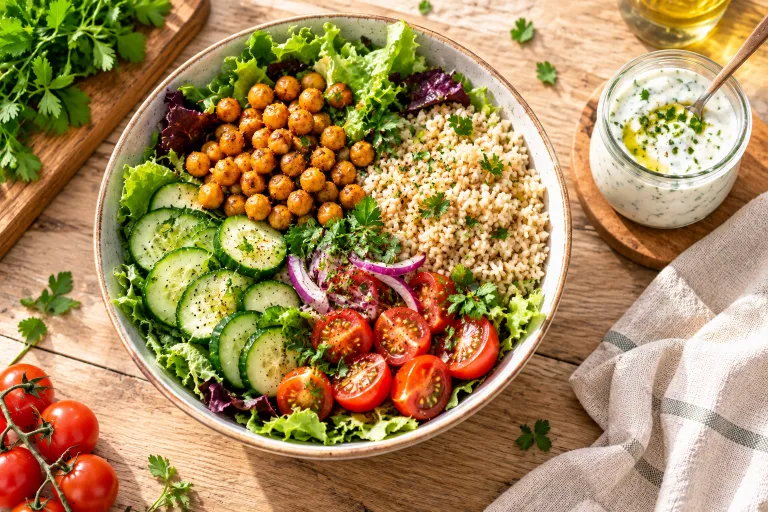
Picture a lunch bowl with leafy greens, roasted chickpeas, sliced cucumber, and a spoon of yogurt dressing. It is colorful, filling, and takes ten minutes to throw together.
Here is something most people overlook: reading the ingredient list tells you more than the front of the package. Words like “natural” and “wholesome” are marketing, not proof. If sugar sits near the top of the list, you know what you are really buying.
4. Make Hydration Simple and Visible
Water works best when it is easy to reach.
A good rule is to sip steadily through the day instead of chugging a huge glass at night. Pale yellow urine is a handy, no-gadget sign that you are doing fine. Dark yellow usually means you need more.
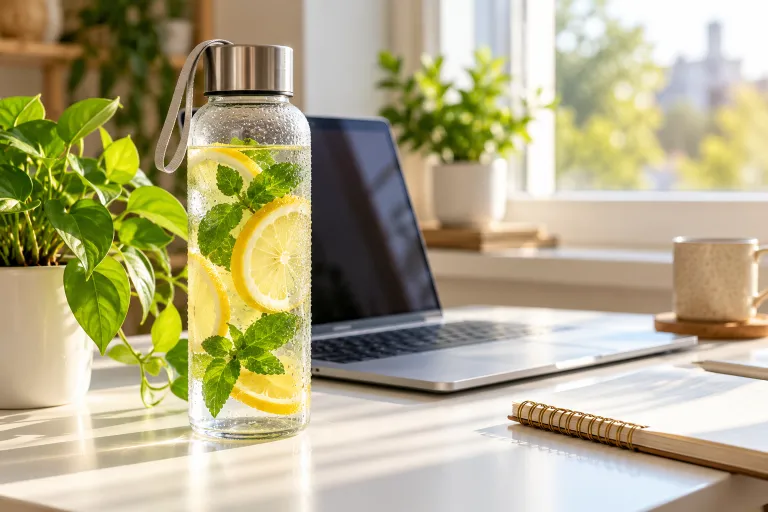
Keep a large reusable bottle on your desk or kitchen counter. If plain water bores you, add lemon slices, mint, or a few berries. Herbal tea and water-rich foods like cucumber and watermelon count too.
The usual trap is waiting until you feel thirsty. By then, you may already be a little dehydrated, and it can show up as tiredness or a dull-looking face. Pair water with habits you already have, such as a glass after brushing your teeth.
5. Move Your Body in Ways You Actually Enjoy
The best exercise is the one you will still be doing three months from now.
Health guidelines for adults generally suggest around 150 minutes of moderate activity a week. That sounds like a lot until you break it down: a brisk 20-minute walk most days gets you close.
If you hate the gym, skip it. Try dancing in the living room, a beginner yoga video, a bike ride on Saturday morning, or a walk while you catch up with a friend. Movement that feels like fun is movement that sticks.
Many women quit because they start too big, like six workouts a week. Start with two or three short sessions and add more only when it feels easy. This is the kind of idea worth bookmarking for the days your motivation dips.

6. Learn to Read Your Stress Signals
Stress rarely announces itself. It slips in through your shoulders, your jaw, and your sleep.
Common signs include tight muscles, headaches, trouble focusing, and feeling snappy over small things. Once you can name these signals, you can respond before they pile up.
Keep a few quick resets in your pocket. Try slow breathing: in for four counts, out for six, repeated five times. Step outside for five minutes of fresh air. Stretch your neck and shoulders between tasks. These tiny pauses calm your nervous system more than most people expect.
Pushing through stress with more caffeine and less sleep is the classic mistake. A short break actually helps you finish the day stronger. If stress feels heavy for weeks at a time, talking with a doctor or counselor is a smart, caring step, not a sign of weakness.

7. Keep Up With Routine Checkups and Screenings
Prevention is quieter than treatment, but it often matters more.
Regular visits help catch issues early, when they are usually easier to manage. Which checkups you need depends on your age, family history, and personal situation, so ask your doctor what schedule fits you. Common ones include blood pressure checks, cholesterol tests, dental cleanings, eye exams, and age-appropriate screenings.
A helpful habit is to book your next appointment before you leave the office. Put it in your calendar with a reminder a week ahead.
People often skip checkups because they feel fine. But many conditions show no early symptoms, which is exactly why those visits matter. Bring a short list of questions so you never leave wishing you had asked something.

8. Protect Your Skin as Part of Your Health
Your skin is your largest organ, and it deserves the same care as the rest of you.
Daily sunscreen is one of the simplest long-term habits you can build. Choose a broad-spectrum formula with SPF 30 or higher and apply it to your face, neck, and the backs of your hands every morning, even on cloudy days.
Get to know your skin, too. Once a month, check for new or changing spots, and mention anything unusual to a dermatologist. A mole that changes in size, shape, or color is worth a professional look.
The mistake here is applying sunscreen once and forgetting about it. If you are outdoors for long stretches, reapply roughly every two hours. A small tube in your bag makes this far easier.

9. Build Real Connections and Protect Your Mental Health
Feeling supported is not a luxury. It is part of staying well.
Research consistently links strong social ties with better emotional wellbeing. You do not need a huge circle. One or two people you can be honest with can make a big difference.
Schedule it like any other priority: a weekly phone call with a sister, a coffee date every other Sunday, or a walking buddy on Wednesday evenings. Small, repeated moments build trust better than rare big gatherings.
Many busy women assume they can only relax once everything is done. But the to-do list never ends. Give yourself permission to rest and connect now, and if your mood stays low or anxious for a long time, reach out to a mental health professional. Asking for help is a healthy skill.

10. Learn to Spot Reliable Health Information
In a world full of loud opinions, knowing where to look is half of health knowledge.
Trustworthy sources usually include your doctor or pharmacist, national health agencies, university medical centers, and well-known clinics. Look for articles that name their sources, show an author with real credentials, and avoid promising miracle results.
Be cautious when you see words like “detox,” “secret cure,” or “doctors hate this.” If a claim sounds too good to be true, pause and check it against a reliable source before you share it or act on it.
Social media can be a great place for inspiration and motivation, but it should not replace medical advice. Think of it as a conversation starter you take to a professional. Save this tip for the next time a viral health trend lands in your feed.

Conclusion
Feeling lost about your health is more common than you think, and it does not mean you are doing anything wrong. Every tip here is a small step toward understanding your body and trusting yourself a little more. You do not have to change everything at once. Pick just one idea, try it this week, and see how it feels. When you are ready for the next step, come back to this list and choose another.
6. Image Alt Text Suggestions
- Woman writing health notes in a small notebook at a sunny kitchen table with a cup of tea
- Calm bedroom with soft lamp light, white linen bedding, and a book on the pillow for better sleep
- Overhead view of a colorful balanced lunch bowl with greens, chickpeas, cucumber, and dressing
- Glass water bottle with lemon and mint slices on a desk beside a laptop and small plant
- Two women walking on a tree-lined path at sunrise for daily exercise
- Woman sitting by an open window taking a slow breath to relieve stress
- Clinic reception desk with a calendar, clipboard, and flowers for routine health checkups
- Woman applying daily sunscreen to her cheek in a bright bathroom mirror
- Two friends laughing over coffee at a cozy cafe for emotional wellbeing
- Woman comparing a printed health article with a laptop to check reliable health information
7. FAQ Section
What is health knowledge and why does it matter?
Health knowledge is the understanding you have about your body, habits, and when to seek care. It matters because it helps you make confident choices about food, sleep, stress, and checkups instead of guessing.
How can I improve my health knowledge for free?
Start with trusted sources like national health agency websites, university medical center pages, and your local pharmacist. Keeping a simple notebook of your symptoms and questions also helps you learn what to ask at appointments.
How many hours of sleep do most adults need?
Most adults feel best with about seven to nine hours each night. Your exact need can vary, so notice how you feel during the day and adjust gently.
How much water should I drink every day?
Needs depend on your size, activity, and climate, so there is no single perfect number. A good everyday guide is pale yellow urine and steady sipping through the day.
How often should I get a health checkup?
It depends on your age, family history, and any ongoing concerns. Ask your doctor to help you set a schedule that fits your situation.
What are the easiest healthy habits to start with?
Drinking water regularly, going for a short daily walk, and keeping a consistent bedtime are simple places to begin. Pick one, practice it for a couple of weeks, then add another.
If you would like the feature image (glamorous lady model, horizontal 3:2) plus detailed generation prompts and alt tags for each suggested image, just say the word.


