

10 UV Sunscreen Tips for Healthy, Glowing Skin
Do you ever put on sunscreen in the morning and just hope it works? You are not alone. So many of us grab a bottle, rub some on our face, and rush out the door without really knowing if we are protected at all. Then months later we notice dark spots, uneven tone, or fine lines that seem to appear out of nowhere. It is frustrating, especially when you feel like you are already doing the right thing. This guide walks you through 10 practical UV sunscreen tips that actually make a difference, so your skin stays protected and glowing all year long.
1. Choose Broad Spectrum UV Sunscreen, Not Just SPF
A high SPF number does not automatically mean your skin is fully protected. SPF only measures protection against UVB rays, the ones that cause sunburn. UVA rays, which cause premature aging and deeper skin damage, are a separate concern entirely.
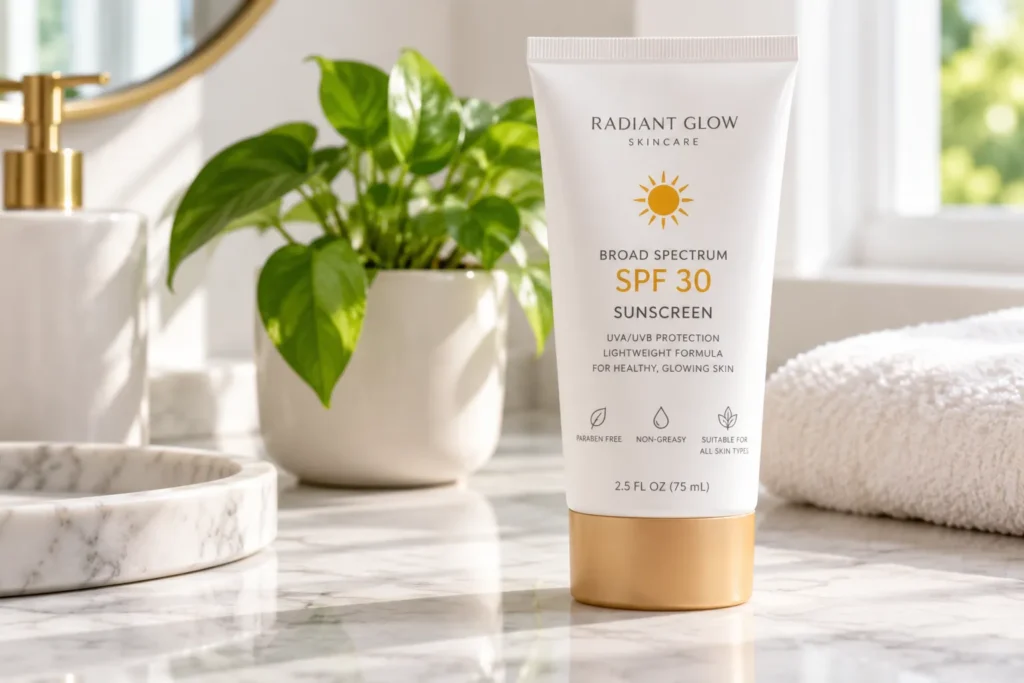
Look for the words “broad spectrum” on the label. This tells you the sunscreen blocks both UVA and UVB rays. A bottle that only lists SPF without broad spectrum coverage is leaving half the job undone. For everyday wear, a broad spectrum UV sunscreen with SPF 30 or higher is a solid baseline, even on cloudy days when the sun feels less intense.
The common mistake here is assuming SPF alone tells the whole story. The fix is simple. Check the label every time you buy a new bottle, even if you have used the brand before, since formulas change.
2. Apply a Full Teaspoon for Your Face and Neck
Most people use far less sunscreen than they need. Studies on sunscreen effectiveness are usually based on a thick, even layer, which is more product than most of us are used to applying.
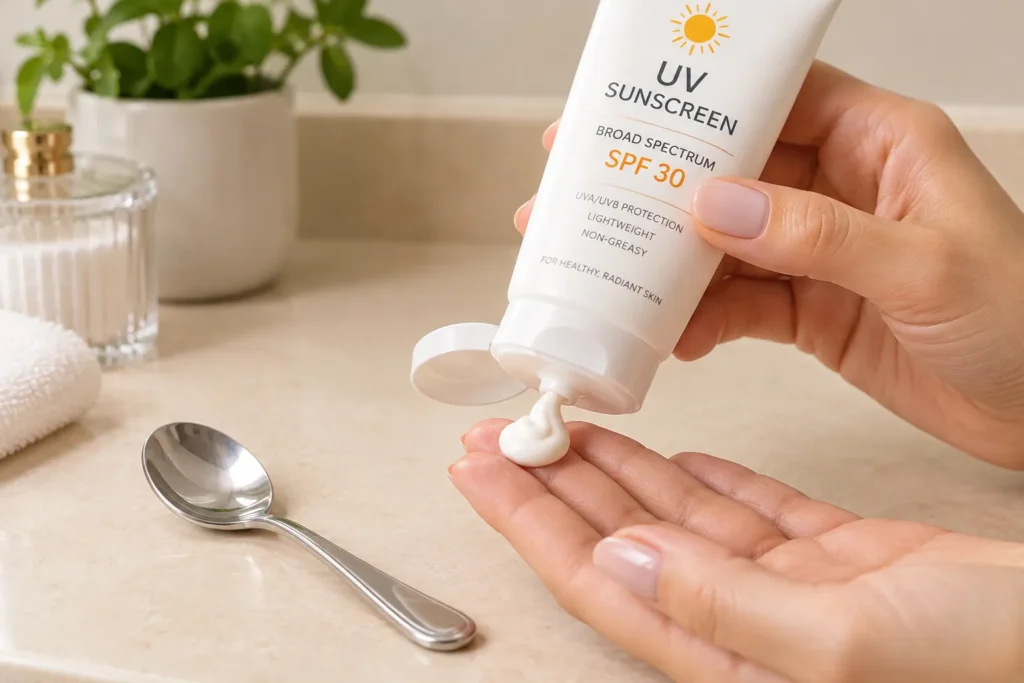
For your face and neck, aim for about a full teaspoon of UV sunscreen. That might feel like a lot at first, especially if your skin already feels oily. Try applying it in two thin layers instead of one thick one. Let the first layer sink in for a minute, then add the second. This helps the product spread evenly without that heavy, greasy feeling sitting on top of your skin.
If you skimp on the amount, you are essentially wearing a much lower SPF than what is printed on the bottle. A sunscreen rated SPF 30 applied too thinly might only give you the protection of SPF 10 or 15.
3. Reapply Every Two Hours, Not Just Once in the Morning
This is the tip most people skip, and it is probably the biggest reason sunscreen fails to protect skin the way it should. UV sunscreen breaks down over time from sun exposure, sweat, and simply rubbing against clothing or a phone screen throughout the day.
Set a reminder on your phone for every two hours if you are outside for extended periods, like during a walk, a day at the park, or running errands in the middle of the day. If you are indoors most of the day but sitting near a window, reapplication matters less urgently, but it still helps to touch up once around midday.
For makeup wearers, a sunscreen setting spray or a mineral powder sunscreen makes reapplication realistic without messing up your look. Keep one in your bag so it is easy to reach for.
[INTERNAL LINK OPPORTUNITY: best sunscreen setting sprays for makeup wearers]

4. Do Not Forget Your Ears, Neck, and Hands
When we think about sun protection, the face usually gets all the attention. But the ears, neck, chest, and the backs of the hands are some of the most commonly missed spots, and they are also areas that show sun damage early.
Think about how often your hands are exposed while driving, walking, or holding your phone outside. The skin there is thin and ages quickly without protection. The same goes for your neck and chest, which often get direct sun exposure that your face misses thanks to hats or sunglasses.
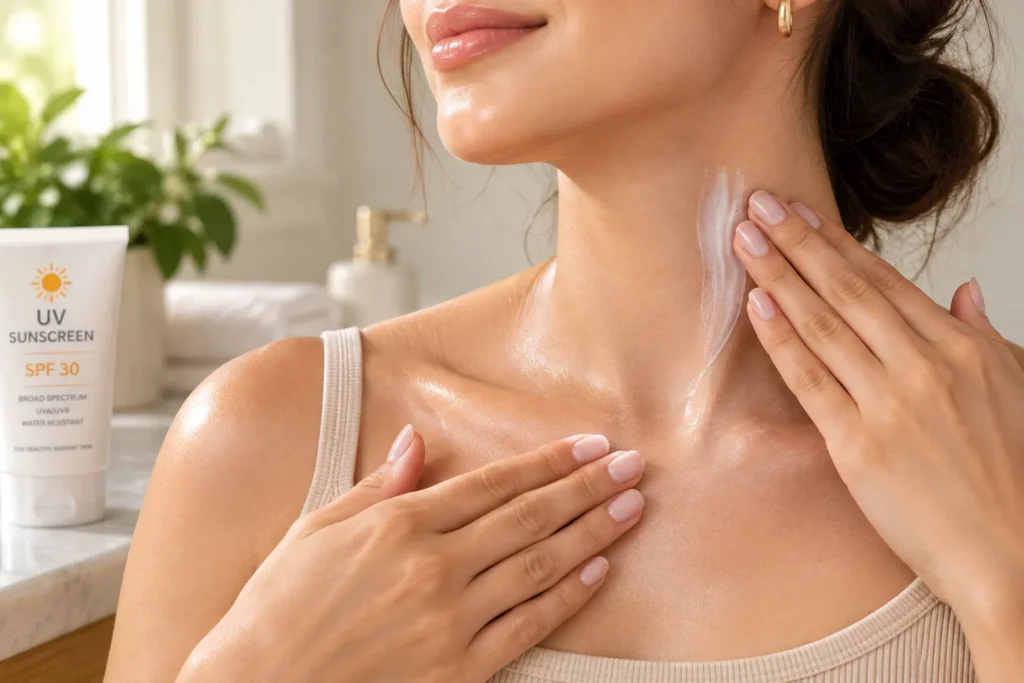
Make it a habit to swipe a bit of leftover sunscreen down your neck and across the backs of your hands every time you apply it to your face. It takes only a few extra seconds and prevents visible aging in spots people often notice first.
5. Layer UV Sunscreen Under Makeup the Right Way
If your sunscreen pills up or leaves a white cast under your foundation, the order and timing of your routine might be the problem, not the product itself.
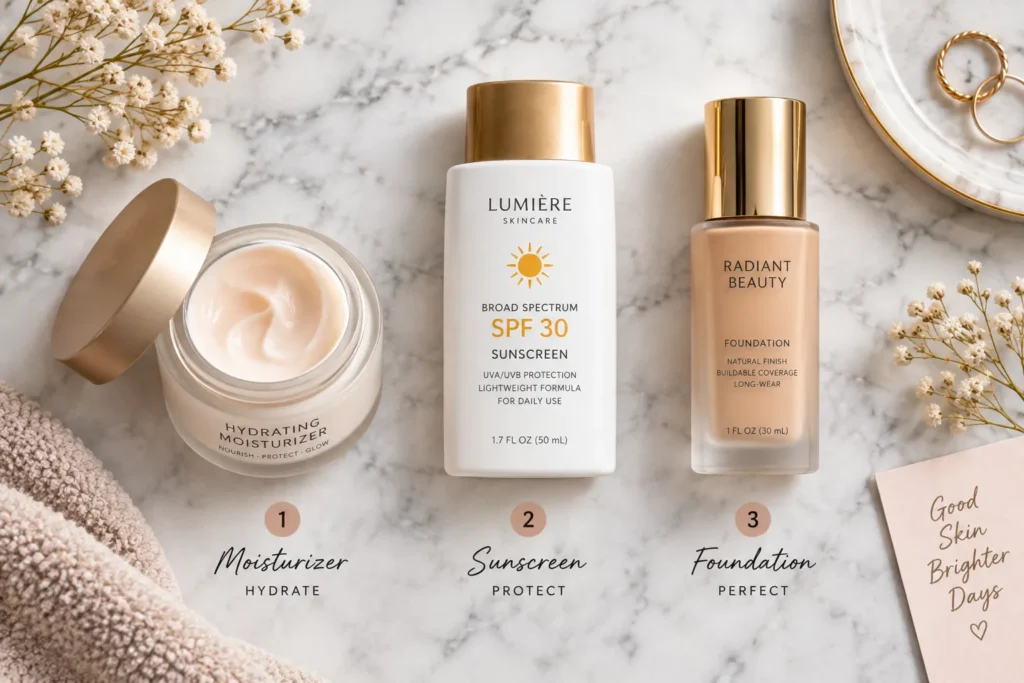
Apply sunscreen as the last step of your skincare routine, after moisturizer, and give it a full two to three minutes to absorb before starting makeup. Rushing this step is the most common reason sunscreen and foundation clash and separate on the skin throughout the day.
If you wear a tinted moisturizer or BB cream with SPF built in, that alone is usually not enough sun protection for a full day outdoors. These products are a nice bonus layer, but they should sit on top of a dedicated broad spectrum UV sunscreen, not replace it.
6. Pick a Formula That Matches Your Skin Type
Not every sunscreen feels good on every skin type, and using the wrong one is a big reason people give up on wearing it daily.
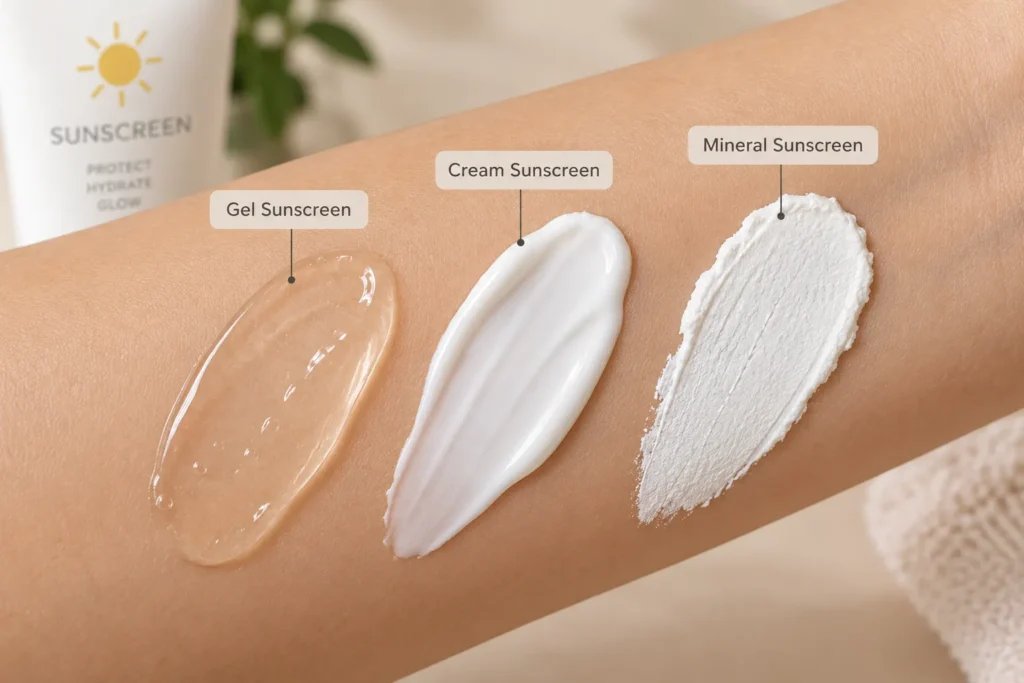
For oily or acne prone skin, look for a gel based or fluid formula labeled non comedogenic. For dry skin, a cream based sunscreen with hydrating ingredients like hyaluronic acid or ceramides feels much more comfortable. Sensitive skin often does best with mineral sunscreens using zinc oxide or titanium dioxide, since these tend to cause less irritation than chemical filters.
A common mistake is buying whatever is on sale without considering skin type, then avoiding sunscreen altogether because it feels heavy or breaks you out. Spending a bit more time finding the right formula for your skin pays off because you will actually want to wear it every day.
7. Wear UV Sunscreen Even on Cloudy or Cold Days
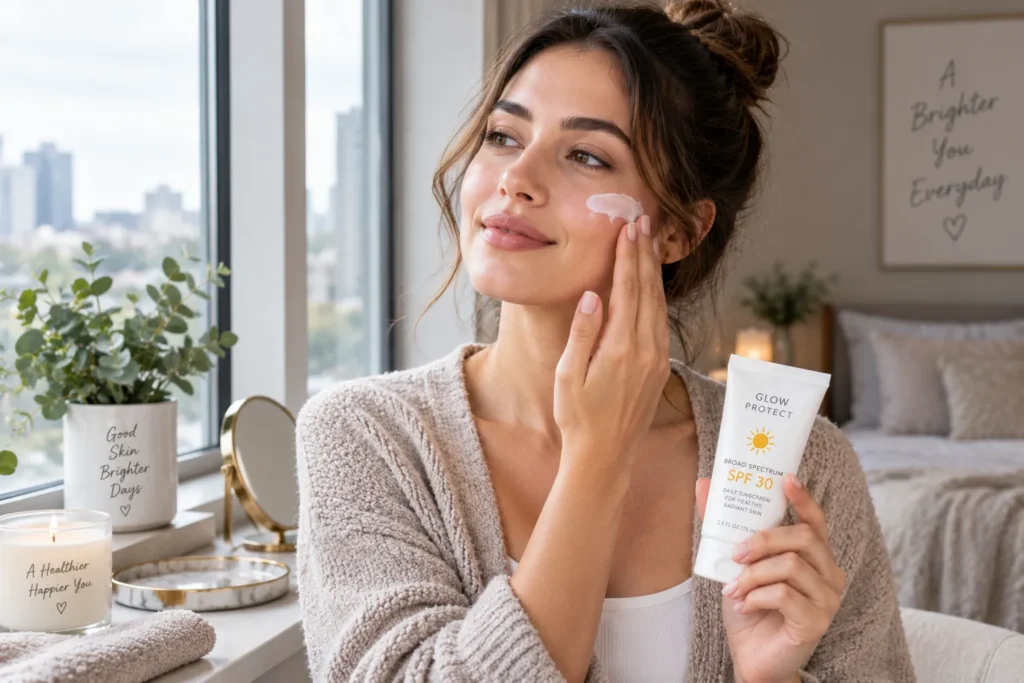
Clouds block visible light, which is why the sun feels less intense, but they do not block UV rays nearly as much as people assume. Up to 80 percent of UV rays can still pass through cloud cover and reach your skin.
The same goes for winter months. Snow reflects UV rays, which is why skiers and snowboarders often get sunburned faces even in freezing temperatures. If you skip sunscreen because it does not feel sunny outside, you are still accumulating UV exposure without realizing it.
Make sunscreen part of your daily routine regardless of the weather forecast, the same way you brush your teeth without checking if it is a “brushing kind of day.” This one habit shift prevents a lot of long term sun damage that builds up slowly and quietly.
8. Understand the Difference Between Mineral and Chemical Sunscreen
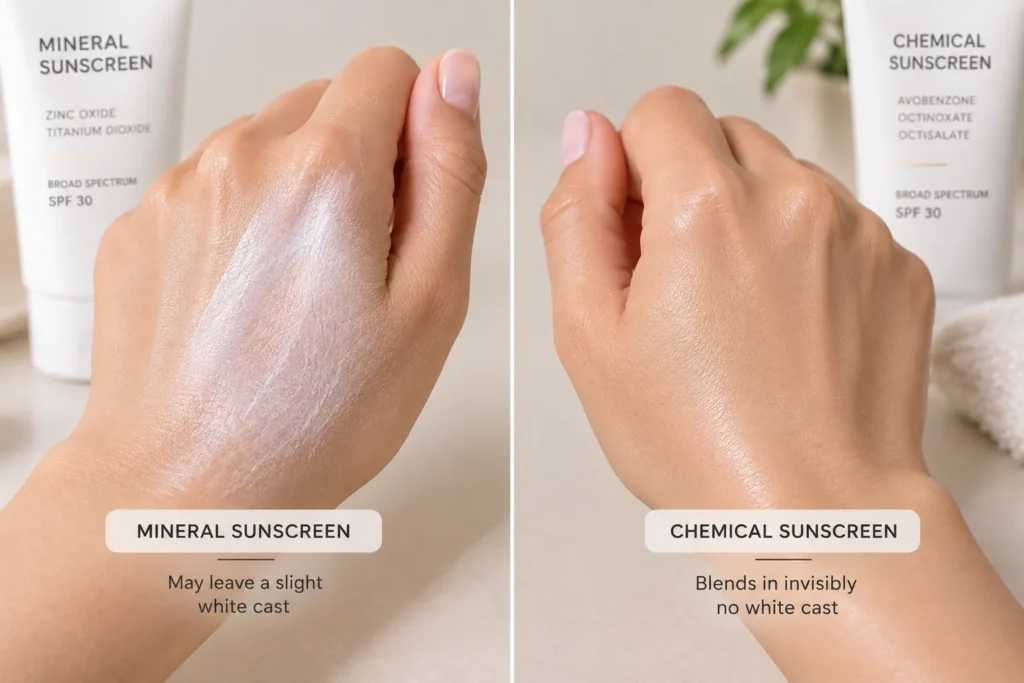
Mineral sunscreens sit on top of the skin and physically reflect UV rays, while chemical sunscreens absorb into the skin and convert UV rays into heat that the skin releases.
Mineral sunscreens tend to work immediately after application and are gentler for sensitive or reactive skin, though they can sometimes leave a slight white cast, especially on deeper skin tones. Chemical sunscreens usually blend in more easily and feel lighter, but they need about 15 to 20 minutes to become fully effective after application, so applying them right before walking out the door leaves a gap in protection.
If you have ever wondered why your sunscreen seems to disappear invisibly into your skin while a friend’s leaves a slight sheen, this is usually the difference between the two types. Neither one is better across the board. It comes down to your skin tone, skin sensitivity, and personal preference.
9. Protect Your Lips and Eye Area Too
The skin around your eyes and on your lips is thinner than the rest of your face, which makes it more vulnerable to sun damage, yet these areas are almost always skipped during sunscreen application.
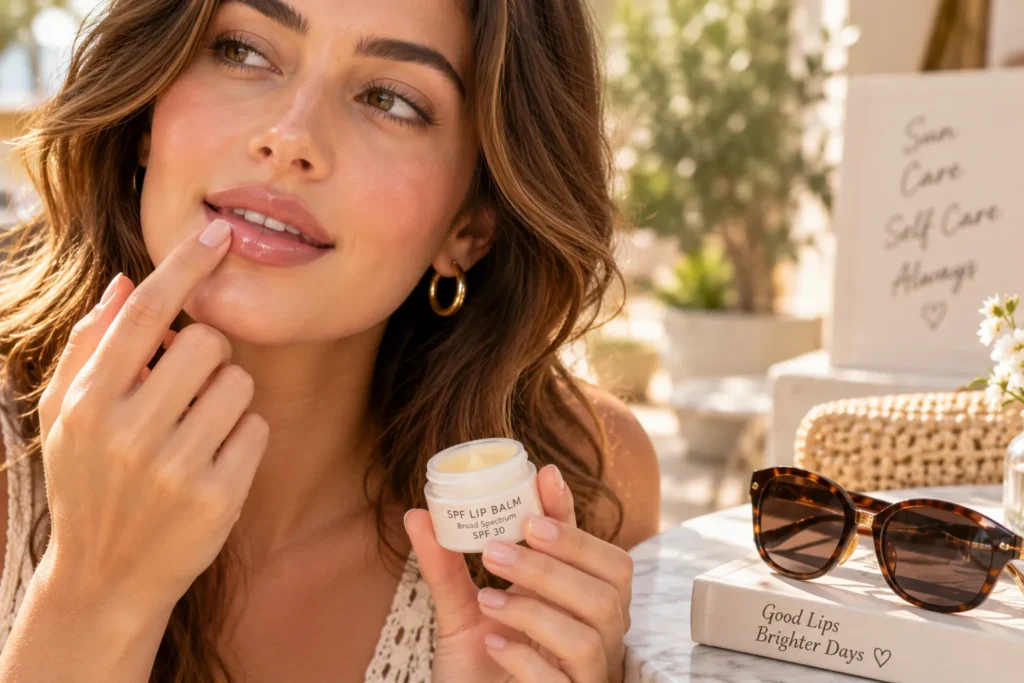
Use a dedicated SPF lip balm, especially before spending time outdoors, since regular lip balm offers no UV protection at all. For the eye area, a gentle mineral sunscreen formulated for sensitive skin works well, or you can rely on the sunscreen you already applied to your face as long as you are careful not to get product directly in your eyes.
Sunglasses with UV protection are also worth mentioning here, since they shield the delicate skin around your eyes from squinting related fine lines in addition to blocking harmful rays directly.
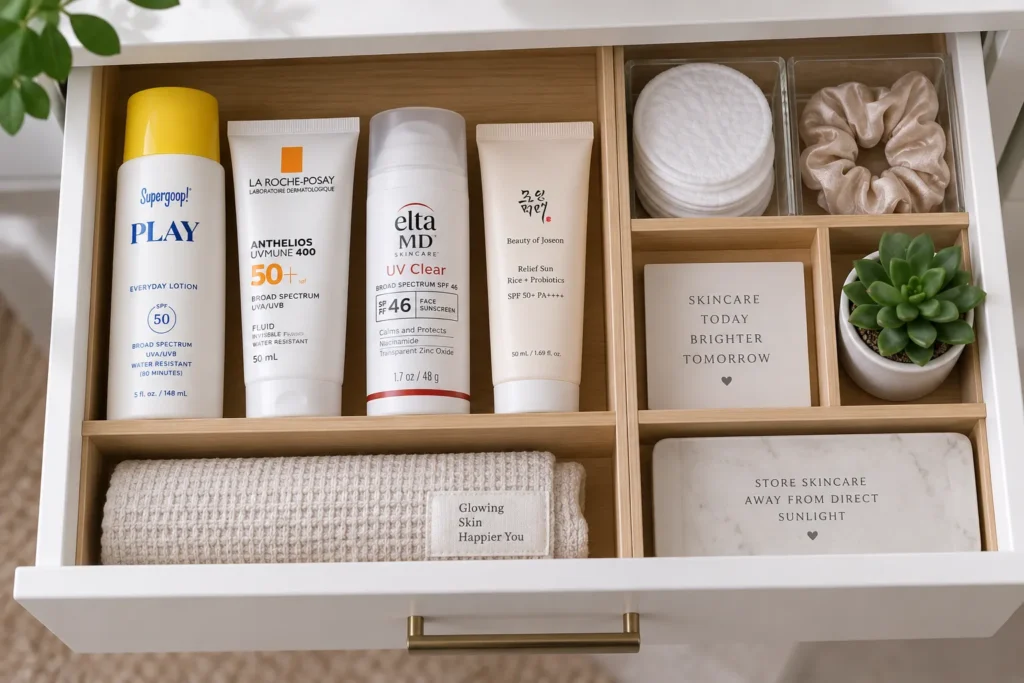
10. Store Your Sunscreen Correctly So It Stays Effective
Sunscreen is a product with an actual shelf life, and heat speeds up how quickly the active ingredients break down. Leaving a bottle in a hot car, a bathroom without ventilation, or direct sunlight on a windowsill can quietly reduce how well it protects your skin, even before the expiration date printed on the bottle.
Check the expiration date when you buy a new bottle, and if there is not one listed, most sunscreens are considered effective for about 12 months after opening. Store your sunscreen in a cool, dry spot, and if the texture, color, or smell seems off compared to when you first bought it, it is time to replace it rather than risk using a formula that is no longer doing its job.
This is an easy step to overlook, but it directly affects whether all your other sun protection habits are actually working the way you think they are.
[INTERNAL LINK OPPORTUNITY: how to tell if your sunscreen has expired]
Final Thoughts
Sun protection is not about being perfect every single day. It is about building small, consistent habits that add up over time, from choosing the right formula for your skin to remembering the spots you might normally miss. Your skin does not need a complicated routine, just a little more intention behind the steps you are already taking. Pick one tip from this list that you have not been doing and try it this week. Your future skin will thank you for it.
Image Alt Text Suggestions
- Close up of sunscreen bottle label showing broad spectrum SPF 30 text
- Hand applying a teaspoon amount of sunscreen for full face coverage
- Woman reapplying mineral sunscreen powder over makeup outdoors
- Applying sunscreen to neck and collarbone for full sun protection
- Skincare and makeup products laid out in correct application order
- Gel, cream, and mineral sunscreen textures compared side by side on skin
- Woman applying sunscreen indoors on a cloudy day
- Mineral sunscreen white cast compared to chemical sunscreen invisible finish
- Applying SPF lip balm with UV protective sunglasses nearby
- Sunscreen bottle stored properly in a cool skincare drawer
FAQ Section
Do I need sunscreen if I stay indoors most of the day? Yes, if you sit near windows, since UVA rays can pass through glass. A lighter application than an outdoor day is fine, but skipping it entirely still allows gradual sun damage over time.
What SPF should I use every day? SPF 30 broad spectrum is considered the minimum for daily protection. If you spend a lot of time outdoors or have fair skin, SPF 50 offers extra buffer against reapplication gaps.
Can I use last year’s sunscreen bottle? Check the expiration date first. If there is not one, most opened sunscreens stay effective for about 12 months, but heat exposure can shorten that window significantly.
Is mineral sunscreen better than chemical sunscreen? Neither is universally better. Mineral sunscreen tends to suit sensitive skin, while chemical sunscreen often blends more easily under makeup. Your skin type and preference should guide the choice.
Why does my sunscreen leave a white cast? This usually happens with mineral formulas, especially on deeper skin tones. Tinted mineral sunscreens or a thinner, well blended application can reduce this effect.
How often should I reapply sunscreen during the day? Every two hours when you are outdoors, and more often if you are sweating or swimming. Indoors, one midday touch up is usually enough.


