

10 Sunscreen Lotion Secrets for Better Skin Care
You bought the sunscreen lotion. You put it on most days. And yet your skin still feels dull, still breaks out sometimes, and you are never quite sure if it is actually doing its job. That frustration is more common than you think, and it usually comes down to a few small habits nobody explained to you. This article walks through 10 sunscreen lotion secrets that actually change how your skin looks and feels, without adding extra steps to your routine.
1. The Amount You Use Matters More Than the SPF Number
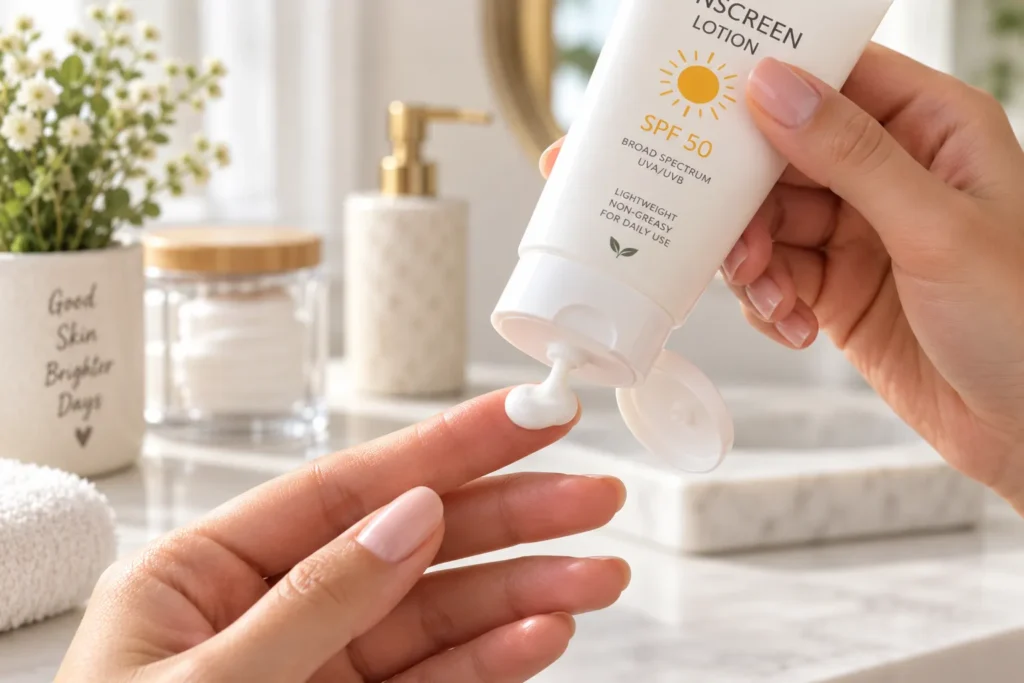
Most people apply less than half the sunscreen lotion they actually need. A high SPF number means nothing if the layer on your skin is too thin to work.
For your face and neck, aim for about a quarter teaspoon, roughly the size of a coin spread thin. For rental bathrooms with small mirrors and dim lighting, it helps to apply near a window with natural light so you can actually see if you missed a spot near the hairline or jaw.
The common mistake here is dabbing sunscreen on like a moisturizer. Instead, smooth it in slow, even strokes and give it a few extra seconds along the edges of your face, since that is where people usually apply too little.
2. Sunscreen Lotion Needs a Few Minutes Before It Actually Works
Chemical sunscreen lotions need time to bind to the skin before they start protecting you. Walking outside right after applying means you are exposed before the product is fully active.
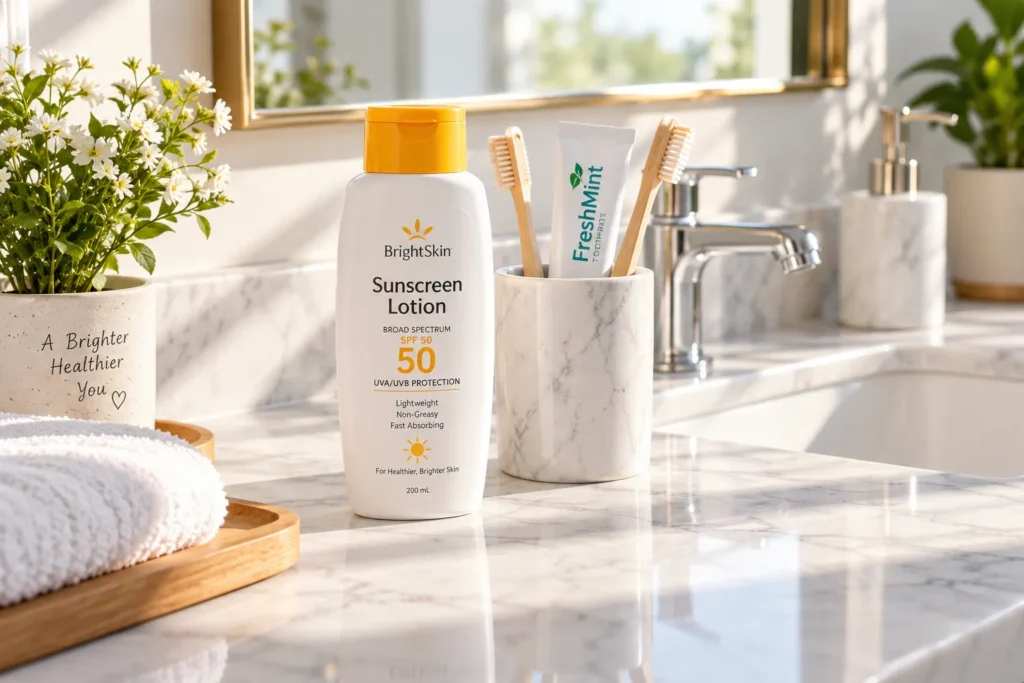
If you are getting ready for a school run or a quick errand, apply your sunscreen lotion right after brushing your teeth instead of right before grabbing your keys. That small order change gives it the ten to fifteen minutes it needs to settle in.
Mineral sunscreens work a little differently since they sit on top of the skin and reflect light, so they can offer some protection sooner. Either way, building in a short buffer is a habit worth keeping.
[INTERNAL LINK OPPORTUNITY: mineral sunscreen benefits]
3. Layering Order Changes How Well It Absorbs
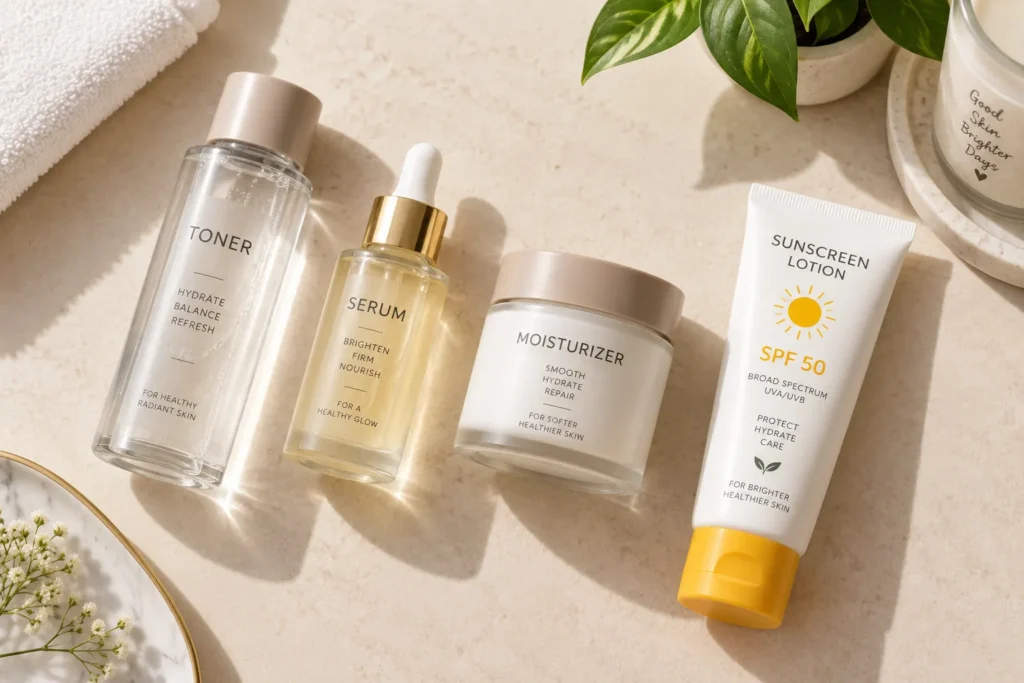
Sunscreen lotion should almost always go after your moisturizer and before makeup, but the exact order still trips people up, especially when a routine has five or six steps.
A simple way to remember it is to think in terms of thinnest to thickest, water based to oil based. Toner, serum, moisturizer, then sunscreen lotion. If you use a heavy night cream during the day too, that can dilute your sunscreen and reduce how well it sits on the skin.
For someone with a simple three step routine, this is easy. For someone using several serums, it helps to wait a minute between each layer so the sunscreen has clean skin to grip onto rather than sliding over unabsorbed product.
4. Reapplication Is the Step Almost Everyone Skips
Sunscreen lotion breaks down with sun exposure, sweat, and touching your face throughout the day. Most people apply it once in the morning and never think about it again, which quietly cancels out a lot of the benefit.
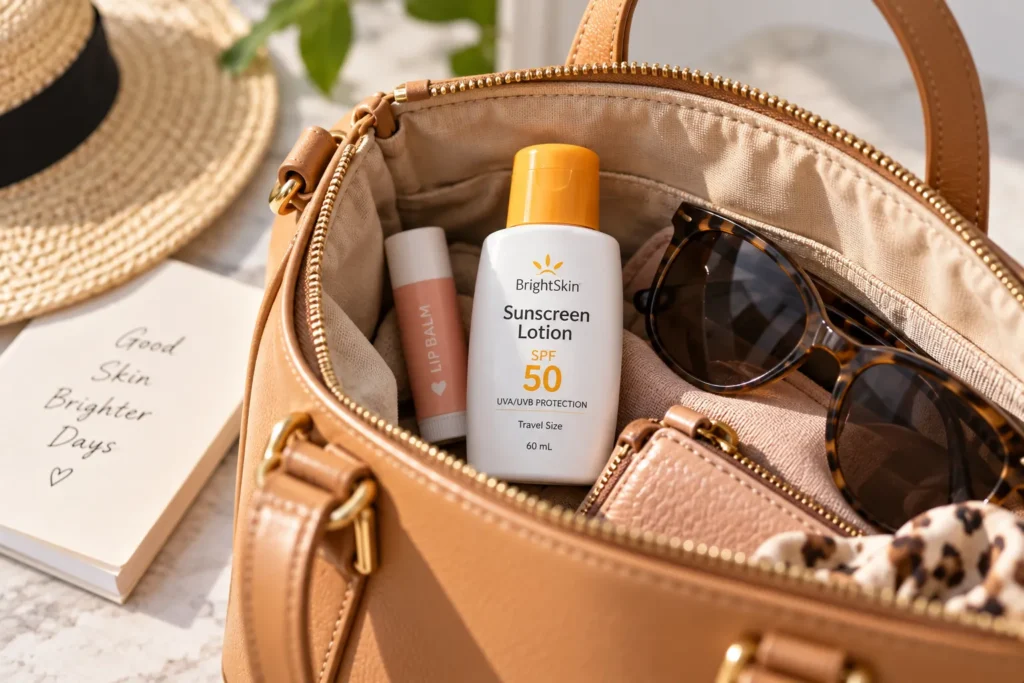
If you are indoors most of the day near a window, or spend time outside for even twenty minutes at lunch, a quick reapplication makes a real difference over weeks and months. Powder sunscreens or sunscreen sticks are worth keeping in a bag for this exact reason, since reapplying lotion over makeup can feel messy.
The mistake is assuming one application lasts all day. The fix is keeping a travel sized sunscreen lotion or stick somewhere you will actually see it, like a desk drawer or car console.
5. Your Neck, Ears, and Hands Age Faster Without It
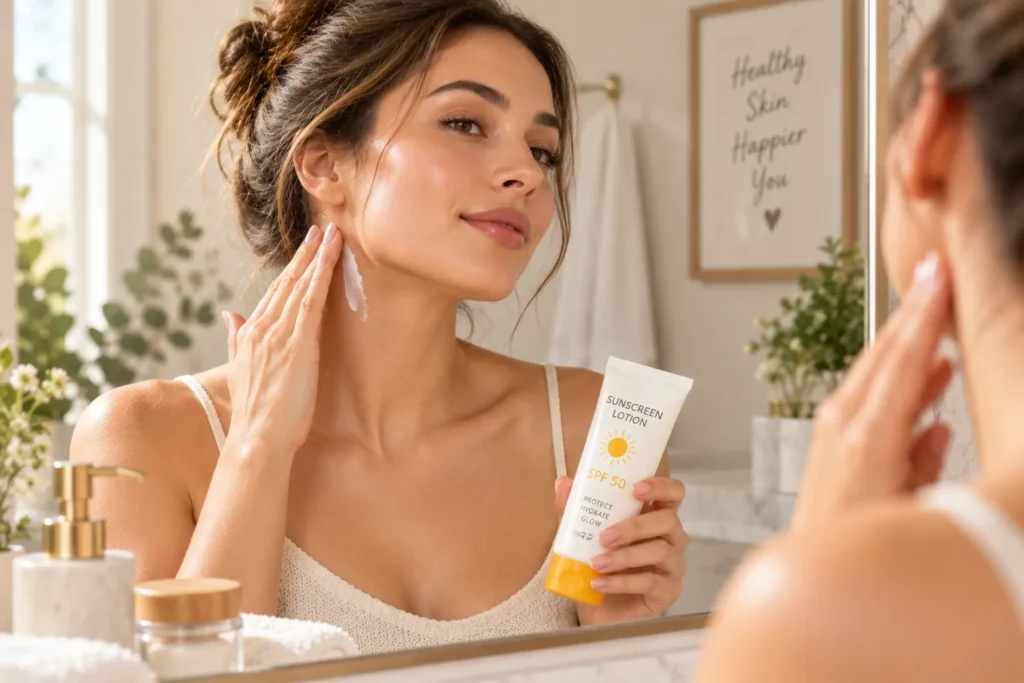
Sunscreen lotion often stops at the jawline, but the neck, ears, and the backs of the hands show sun damage just as fast, sometimes faster since the skin there is thinner.
When you apply your face sunscreen, take an extra ten seconds to sweep it down your neck and across your ears. For hands, keeping a small tube near your car keys or steering wheel makes it easy to reapply during a long drive, since hands get constant sun exposure through the windshield.
This is one of those save worthy tips people forget until they notice uneven tone between their face and neck years later.
6. Greasy Sunscreen Usually Means the Wrong Formula, Not the Wrong Routine
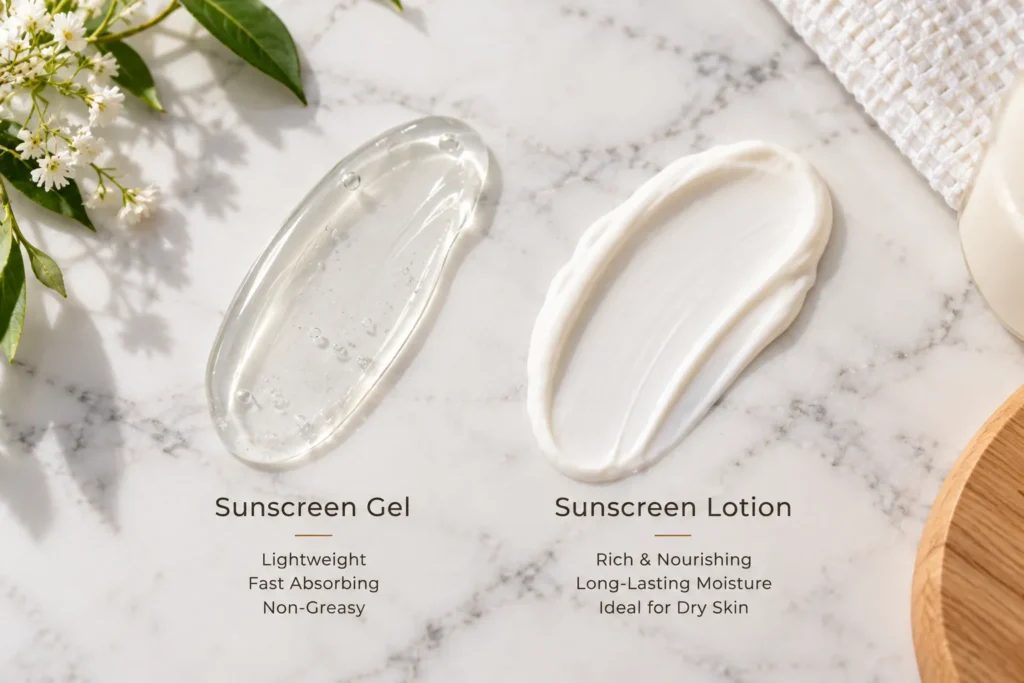
If your sunscreen lotion feels heavy or shiny by midday, the issue is usually the formula, not your skin. Thicker, cream based sunscreens work well for dry skin but can feel overwhelming on oily or combination skin types.
For oily skin, look for a gel or fluid sunscreen lotion labeled oil free or matte finish. For dry or mature skin, a richer lotion with hydrating ingredients like glycerin or ceramides will feel more comfortable and prevent that tight, flaky feeling by afternoon.
A common mistake is sticking with one sunscreen all year even as skin needs change with weather. Swapping to a lighter formula in summer and a richer one in winter solves this for a lot of people.
[INTERNAL LINK OPPORTUNITY: best lotion picks for soft and nourished skin]
7. Sunscreen Lotion Under Makeup Needs a Setting Step
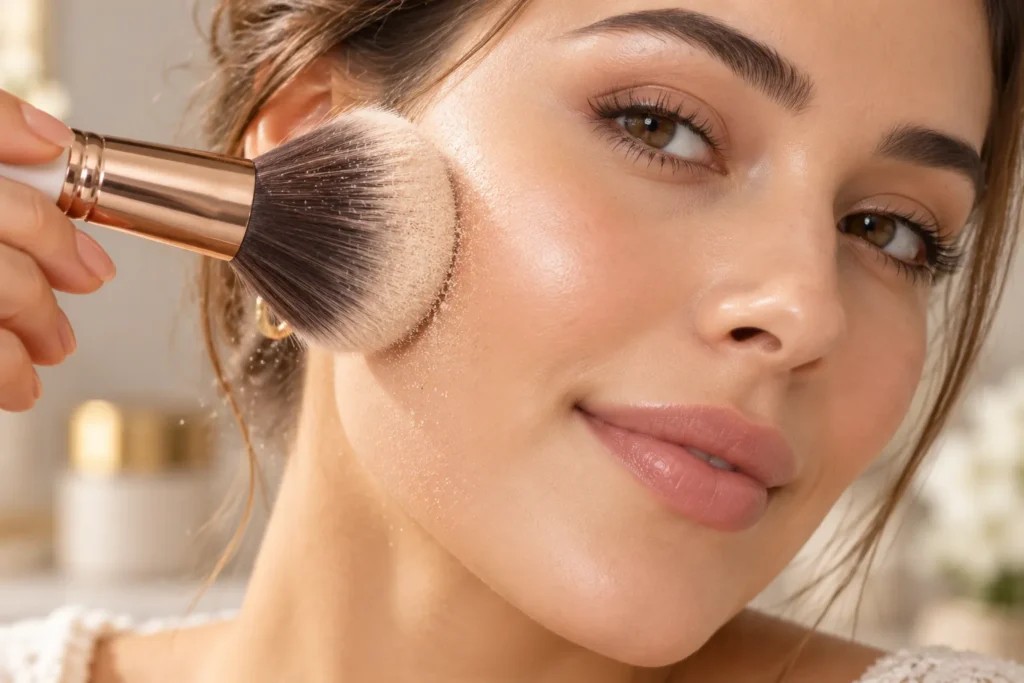
Applying makeup directly over freshly rubbed in sunscreen lotion can cause pilling, those little rolled up bits of product that ruin a smooth base.
Letting the sunscreen fully absorb for a minute or two before starting makeup solves most of this. A light dusting of translucent powder afterward gives makeup something even to grip onto, especially for warmer, humid days when everything tends to slide.
For a quick morning where there is no time to wait, switching to a lightweight fluid sunscreen instead of a thick lotion under makeup often prevents pilling without needing extra steps.
8. Expired Sunscreen Lotion Loses Its Protective Power Quietly
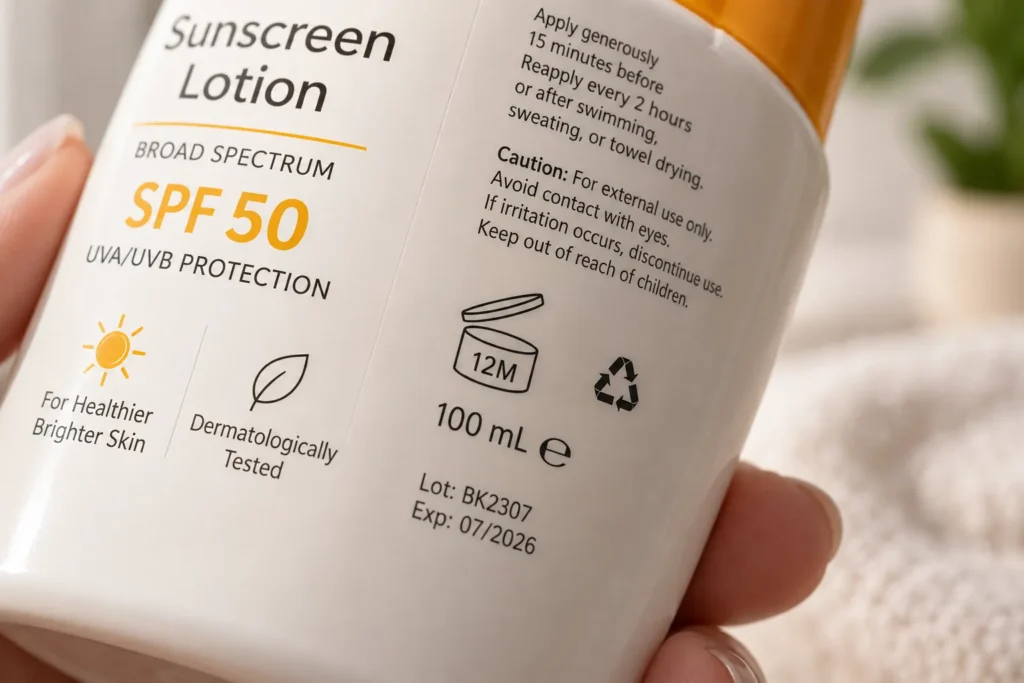
Sunscreen lotion has a shelf life, usually around one to three years once opened, and it does not always show obvious signs when it has gone bad. The active ingredients can break down even if the texture and smell seem fine.
Checking the small jar symbol on the bottle, which shows months after opening, is an easy habit to build into a seasonal skin care refresh. If a sunscreen has been sitting in a hot car or bathroom cabinet for over a year, it is worth replacing even if there is product left.
This one surprises a lot of people, since sunscreen feels like something that should last indefinitely, but heat and time both quietly reduce how well it protects your skin.
9. Sunscreen Lotion Works Best With a Consistent Daily Habit, Not Just Sunny Days
A lot of people only reach for sunscreen lotion on beach days or obviously sunny afternoons, but UV rays reach skin through clouds and even through windows on a regular commute or work day.
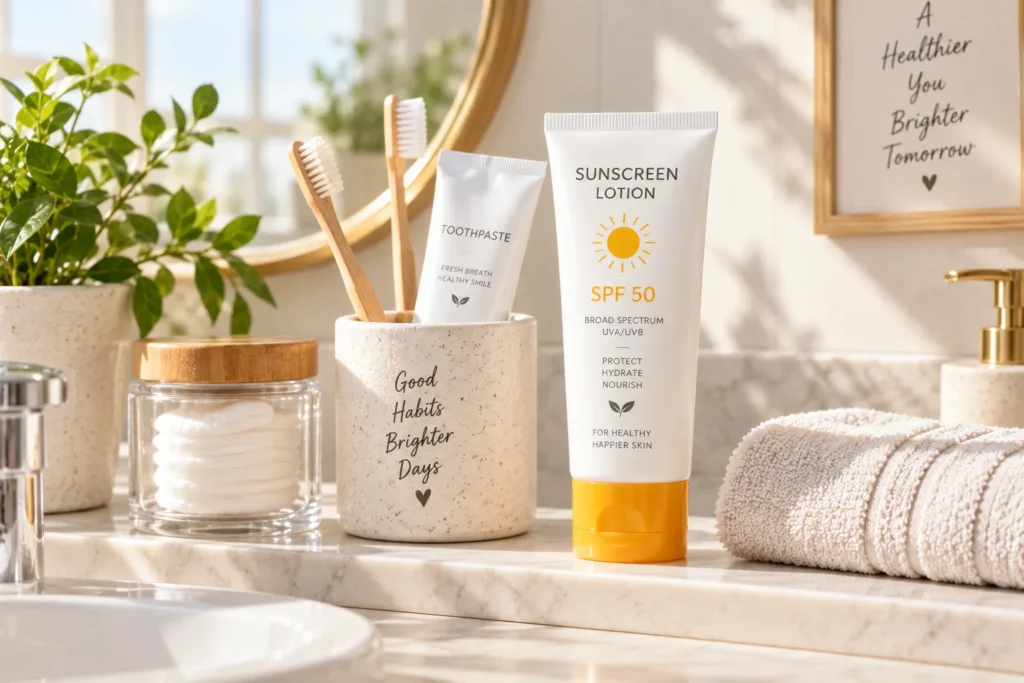
Keeping sunscreen lotion next to your toothbrush, rather than in a separate drawer, turns it into an automatic step instead of a decision you have to remember every morning. This small placement change is one of the easiest fixes for building a lasting habit.
For anyone who works near a window or drives often, daily use matters just as much as beach day use, even if the sun does not feel strong.
[INTERNAL LINK OPPORTUNITY: daily skin care habits for beautiful skin every day]
10. Reading the Ingredient List Tells You More Than the Marketing Does
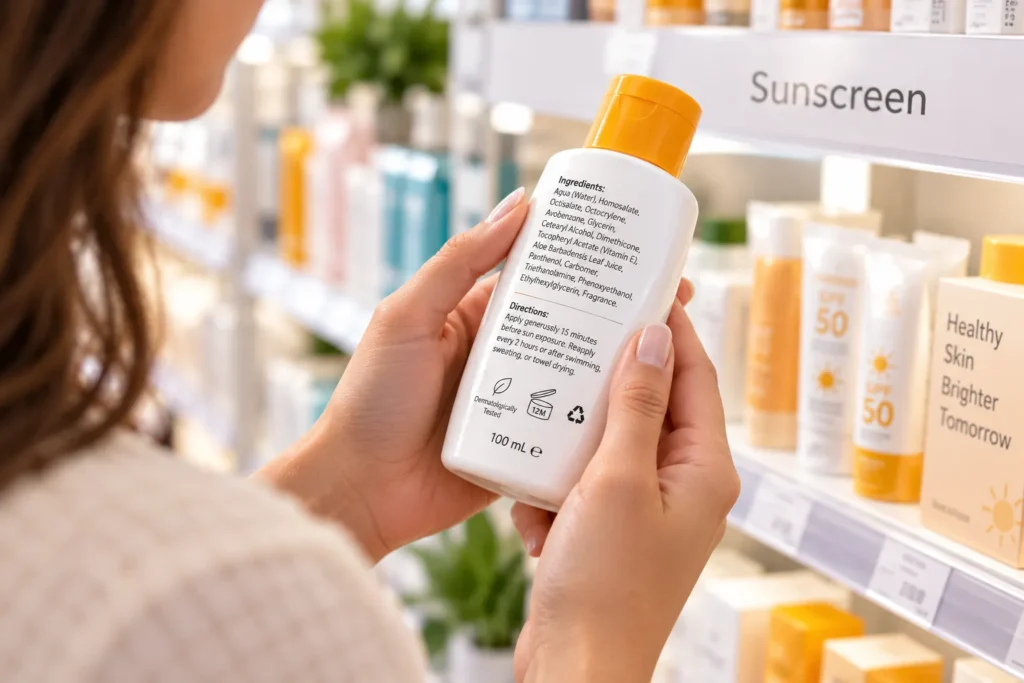
Words like natural, gentle, or dermatologist recommended on the front of a sunscreen lotion bottle do not always tell you what is actually inside. Flipping the bottle over and checking for broad spectrum protection and an SPF of 30 or higher gives a clearer picture.
For sensitive skin, ingredients like zinc oxide or titanium dioxide tend to cause less irritation than some chemical filters. For skin prone to breakouts, checking that a sunscreen lotion is labeled non comedogenic can prevent clogged pores.
This is a small habit that takes an extra thirty seconds in the store but saves you from buying a sunscreen lotion that looks appealing on the shelf but does not actually fit your skin.
Final Thoughts
Good sun protection is not about buying a fancier bottle. It is about small habits, using enough product, giving it time to work, and reapplying when you need to. Once these sunscreen lotion secrets become part of your routine, you will likely notice fewer breakouts, more even tone, and skin that simply looks healthier over time. Try picking just one of these tips to start with this week, and let it build from there. Save this article so you can come back to it whenever your routine needs a refresh.
Image Alt Text Suggestions
- Hand applying a coin sized amount of sunscreen lotion for proper skin coverage
- Sunscreen lotion bottle next to a toothbrush in a morning skin care routine
- Skin care products arranged in the correct layering order with sunscreen lotion
- Travel sized sunscreen lotion bottle packed inside a handbag for reapplication
- Woman applying sunscreen lotion to her neck and ears for full sun protection
- Gel and cream sunscreen lotion textures compared for different skin types
- Makeup brush setting powder over sunscreen lotion to prevent pilling
- Sunscreen lotion bottle showing the expiration jar symbol after opening
- Sunscreen lotion placed next to a toothbrush to build a daily habit
- Hand reading the ingredient label on a sunscreen lotion bottle in store
FAQ Section
Is sunscreen lotion better than sunscreen spray or stick? Lotion generally gives more even coverage since you can see exactly where it goes. Sprays and sticks are handy for reapplication but often miss spots if not rubbed in fully.
How much sunscreen lotion should I use on my face? About a quarter teaspoon, roughly the size of a coin, is enough to properly cover the face and neck. Using less reduces the actual SPF protection you get.
Can I use body sunscreen lotion on my face? It is possible but not ideal, since face skin is thinner and more prone to clogged pores. A sunscreen lotion made for the face will usually feel lighter and absorb better under makeup.
Why does my sunscreen lotion pill under makeup? Pilling usually happens when makeup is applied before the sunscreen has fully absorbed, or when too many heavy products are layered together. Waiting a minute or two before makeup helps prevent this.
Do I need sunscreen lotion on cloudy days? Yes, since UV rays pass through clouds and can still reach and affect your skin. Daily use matters more than waiting for obviously sunny weather.
How often should I reapply sunscreen lotion during the day? Every two hours is the general guideline, especially with direct sun exposure, sweating, or swimming. Even indoor days near windows can benefit from one midday reapplication.


