

10 UV Rays Facts You Need to Know for Healthy Skin
Maybe you already wear sunscreen most days. Maybe you only reach for it when you know you will be outside for hours. Either way, there is a good chance UV rays are doing more to your skin than you realize, even on the days you feel completely covered. This article breaks down what UV rays actually do, where they hide, and how to protect your skin without overhauling your entire routine.
1. UV Rays Come in Two Types That Affect Your Skin Differently
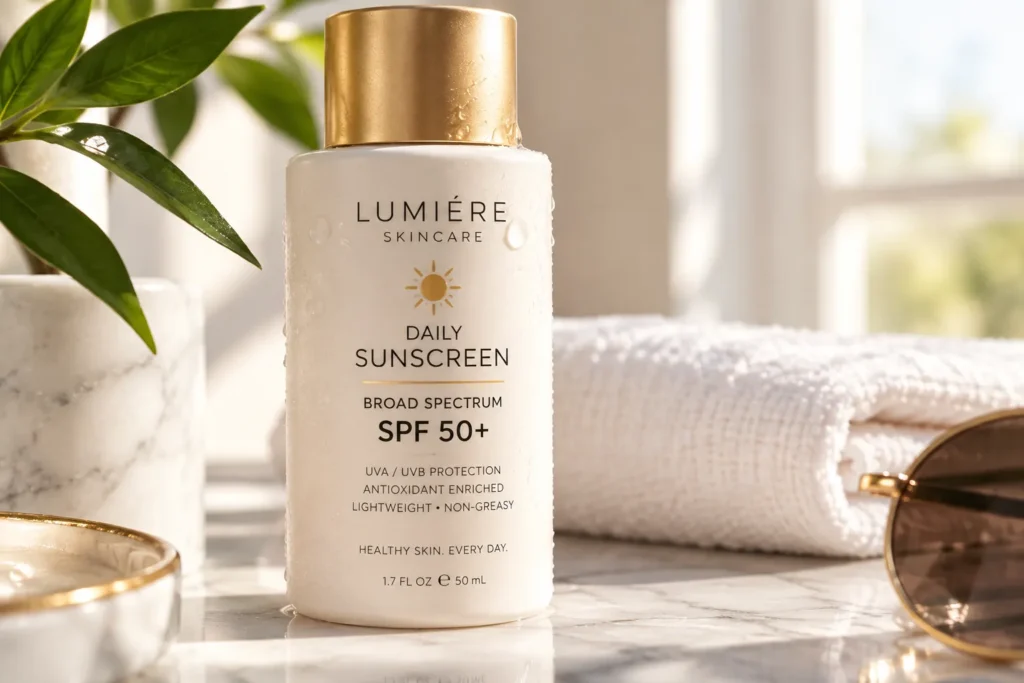
UVA and UVB rays are not the same, and knowing the difference changes how you protect yourself. UVA rays go deep into the skin and are the main reason for early wrinkles, sagging, and dark spots over time. UVB rays stay closer to the surface and are the ones responsible for sunburn.
Here is the part most people miss: UVA rays stay fairly constant all day, all year, even through clouds. UVB rays are strongest in the middle of the day during summer months. That means a sunscreen labeled “broad spectrum” is protecting you from both, while one that only blocks UVB might leave your skin open to the slower, deeper damage that shows up years later.
2. UV Rays Pass Through Window Glass
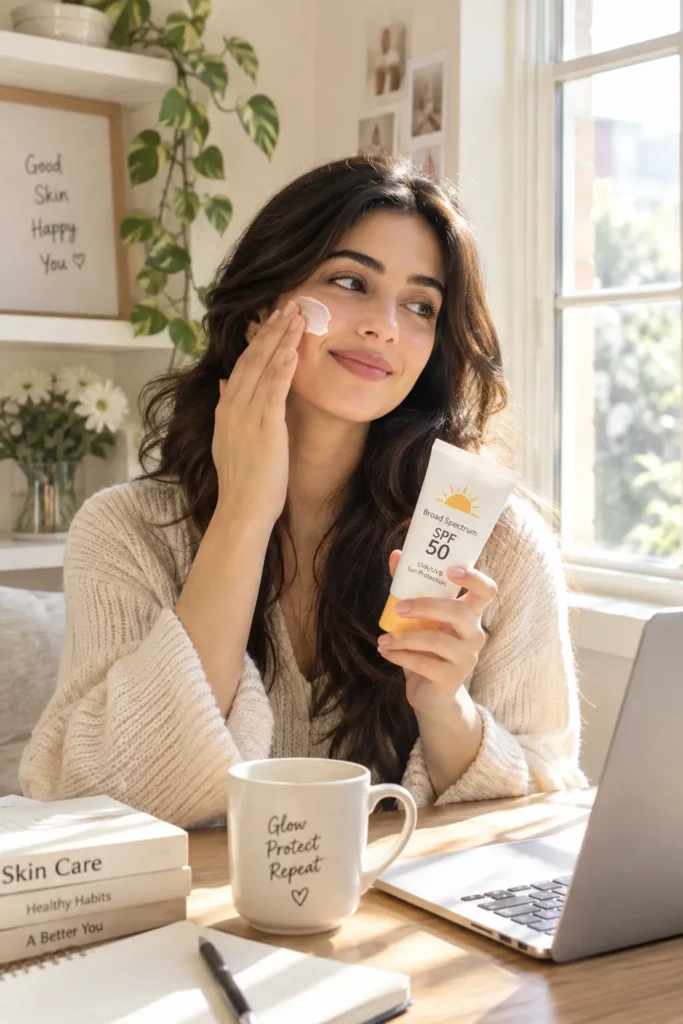
This one surprises almost everyone. Regular window glass blocks most UVB rays, but UVA rays pass right through it. That means the side of your face closest to a car window, an office window, or even your kitchen window is getting real UV exposure, day after day.
A common mistake is assuming indoor time means sun safe time. If you drive often or sit near a window at work, the skin on that side of your face can age faster than the other side over the years. Dermatologists have documented this pattern in people with long driving careers, where one side of the face shows more visible sun damage.
The fix is simple. Keep a light, broad spectrum sunscreen at your desk or in your car and reapply it in the morning, even if your plans keep you inside most of the day.
[INTERNAL LINK OPPORTUNITY: easy sun protection steps for daily skincare]
3. Cloudy Days Do Not Mean UV Free Days
It feels natural to skip sunscreen when the sky looks gray, but up to 80 percent of UV rays can pass through clouds. This is one of the most common skincare mistakes, and it happens because we associate sun damage with visible sunshine and warmth, not with the actual rays themselves.
Think of clouds as a light filter, not a shield. Your skin can still absorb a meaningful amount of UV exposure on an overcast afternoon, especially if you are outside for a walk, running errands, or spending time in the yard. This is exactly why dermatologists recommend daily sunscreen regardless of the weather forecast, not just as a summer habit.

4. UV Damage Builds Up Long Before It Shows
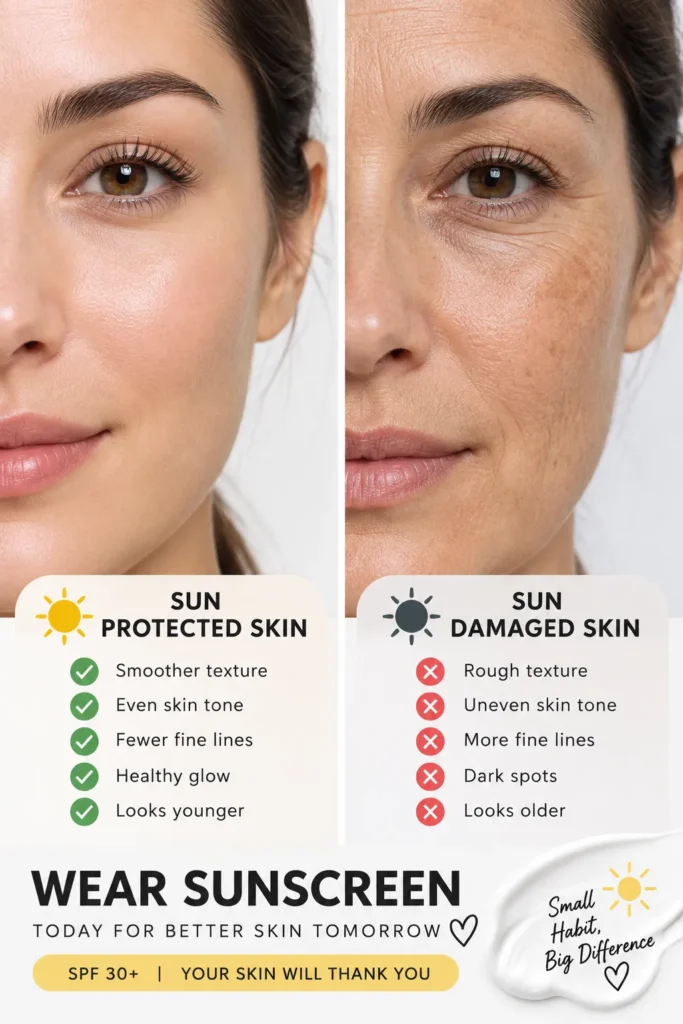
Sun damage rarely appears overnight. What you see today, like fine lines, uneven tone, or a stubborn dark spot, is often the result of exposure from years earlier. This is called cumulative damage, and it is one of the more sobering UV rays facts because it means the sunscreen habits you build now are really an investment in how your skin looks a decade from now.
The encouraging side of this fact is that consistent protection starting today can slow down new damage, even if some past exposure has already left its mark. This matters most for women in their late twenties and thirties, when early signs of sun damage tend to start becoming visible.
5. UV Index Numbers Tell You More Than the Weather App Temperature
Most people check the temperature before heading out, but the UV index is actually the number that matters for your skin. It runs from 0 to 11 plus, and anything above 3 means real sun protection is needed. A cool, breezy 70 degree day can still carry a high UV index, especially at higher altitudes or closer to midday.
A quick habit that helps is checking the UV index alongside the temperature each morning. If it reads moderate or higher, that is your cue to apply sunscreen before leaving the house, no matter how mild the weather feels on your skin.

6. Water, Sand, and Snow Reflect UV Rays Back at You
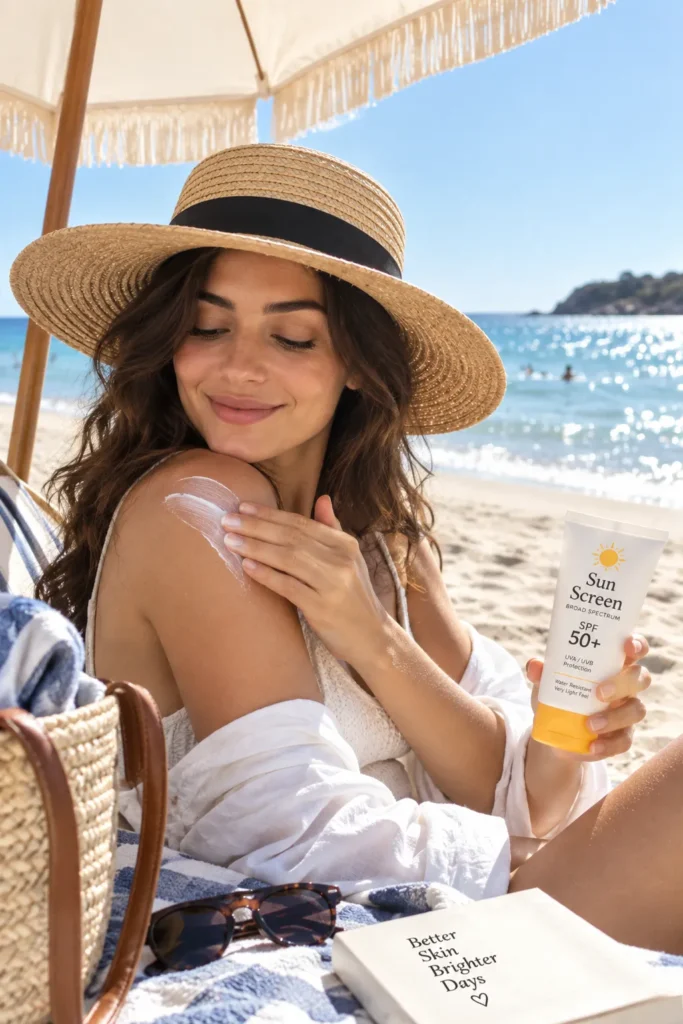
Sitting under an umbrella at the beach feels protective, but sand can reflect up to 25 percent of UV rays, and water reflects a smaller but still meaningful amount. Snow is even more reflective, bouncing back as much as 80 percent of UV rays, which is why skiers often get sunburned on cloudy winter days.
This use case matters most for beach trips, lake days, and winter sports. An umbrella blocks direct rays from above, but it does not block the ones bouncing up from the surface below. Reapplying sunscreen every two hours in these settings, and after swimming, keeps your protection level where it needs to be.
7. SPF Numbers Do Not Increase in a Straight Line
There is a common assumption that SPF 100 offers roughly twice the protection of SPF 50. In reality, SPF 30 blocks about 97 percent of UVB rays, SPF 50 blocks about 98 percent, and SPF 100 blocks close to 99 percent. The jump in protection gets smaller as the number gets higher.
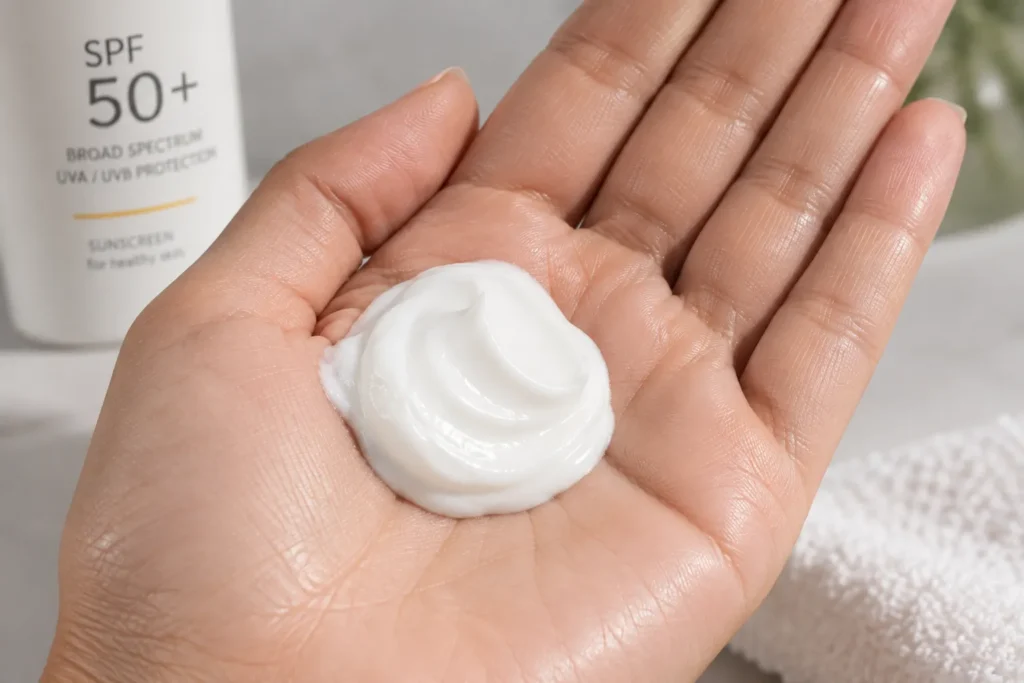
What matters more than chasing a higher SPF number is applying enough product and reapplying often enough. A high SPF sunscreen applied too thin, or only once a day, offers less real protection than a moderate SPF applied generously and reapplied on schedule.
8. Your Eyes and Lips Need UV Protection Too
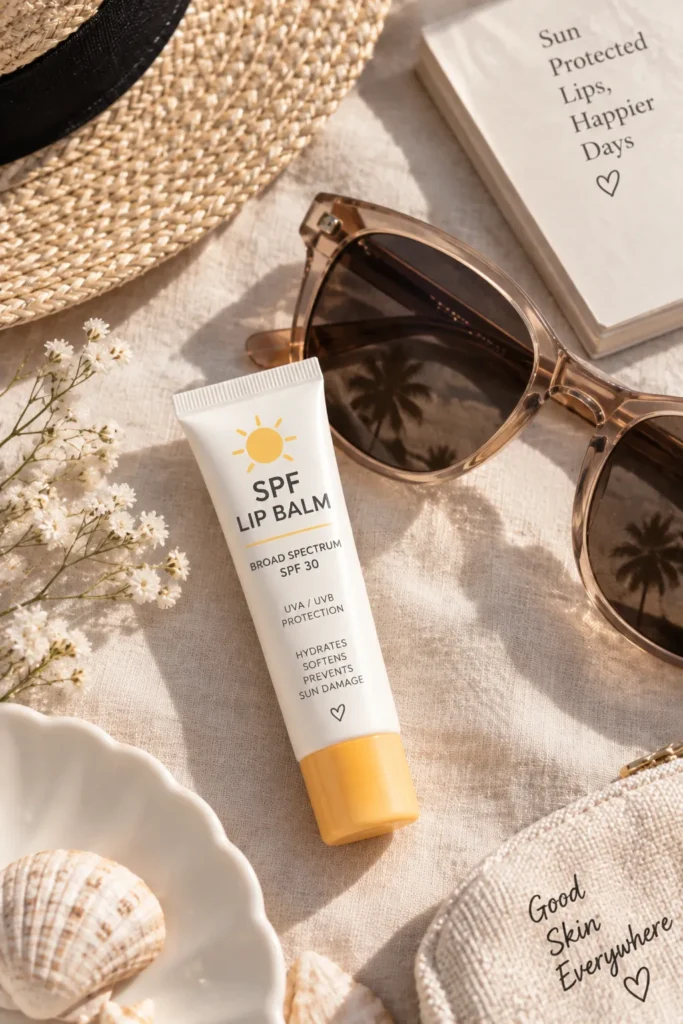
Skincare routines tend to focus on the face broadly, but the skin around the eyes and on the lips is thinner and often gets missed entirely. UV exposure here contributes to crow’s feet, thinning of the lip skin, and a higher long term risk of skin damage in these delicate areas.
A lip balm with SPF and sunglasses that block UVA and UVB rays are simple additions that round out a sun safe routine. This is especially worth remembering during outdoor activities like hiking, gardening, or long walks, where these areas get consistent direct exposure.
[INTERNAL LINK OPPORTUNITY: SPF 50 sunscreens for smooth and protected skin]
9. Certain Skincare Ingredients Make Skin More Sensitive to UV Rays
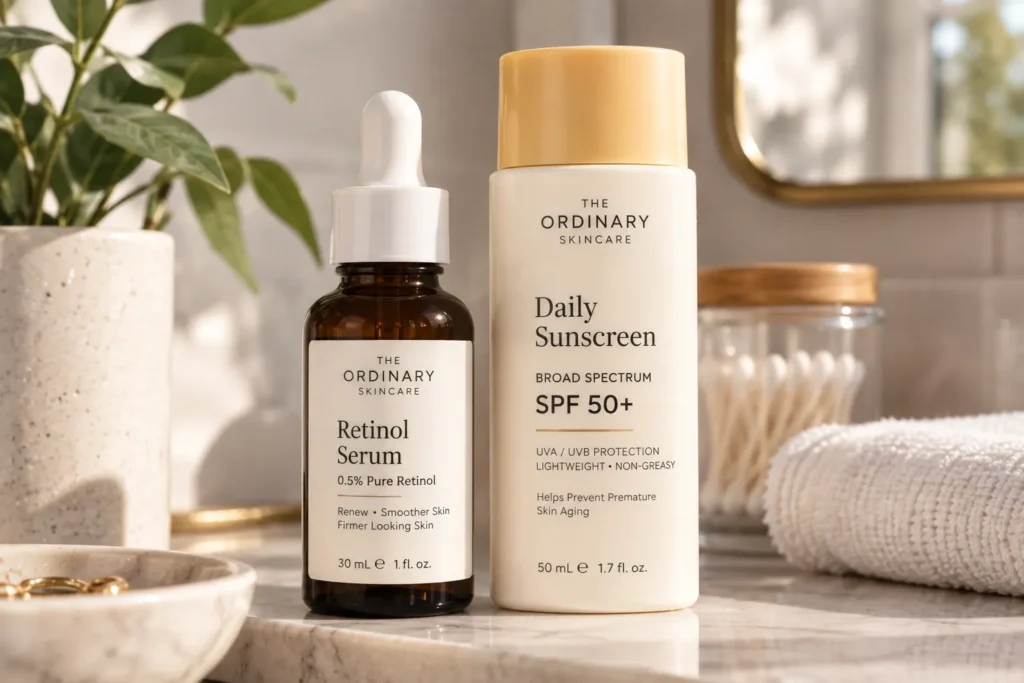
Ingredients like retinol, certain acne treatments, and some exfoliating acids increase how sensitive your skin is to UV damage. This is one of those details that gets glossed over in a lot of routines, but it genuinely changes how much protection your skin needs on the days you use these products.
If your routine includes retinol or a strong exfoliant, morning sunscreen is not optional, it is essential. Skipping it on these days can undo a lot of the benefit those ingredients are meant to provide, since freshly renewed skin is more vulnerable to UV damage underneath.
10. UV Rays Affect More Than Just Wrinkles and Sunburn
Most people connect UV exposure with sunburn or fine lines, but the effects go further. Long term UV exposure is linked to a weakened skin barrier, uneven texture, broken capillaries, and a higher risk of skin cancer. It can also make existing skin concerns like rosacea or hyperpigmentation more noticeable over time.
This is worth remembering not to create fear, but to reframe sunscreen as basic skin maintenance rather than a summer extra. Protecting your skin from UV rays supports nearly every other skincare goal, from a smoother texture to a more even tone, which makes it one habit that quietly supports all the others.

A Simple Wrap Up
UV rays are part of daily life, whether you are driving to work, sitting by a window, or walking the dog on a cloudy afternoon. None of this means avoiding the outdoors or living in fear of the sun. It just means giving your skin the same steady care indoors and out, so the effects of years of sun exposure show up as little as possible. Start with one habit from this list, maybe keeping sunscreen by your car keys or your front door, and build from there. Save this article so you have these facts on hand the next time you are restocking your skincare shelf.
Image Alt Text Suggestions
- Sunscreen bottle labeled broad spectrum with UVA and UVB protection
- Woman applying sunscreen near a sunlit indoor window
- Overcast cloudy sky over a park walking path
- Comparison of sun protected skin versus sun damaged skin texture
- Weather app on a phone screen showing the daily UV index
- Beach scene with sand glare and sunscreen reapplication
- Hand squeezing a generous amount of sunscreen into the palm
- SPF lip balm and UV protective sunglasses on a light surface
- Retinol skincare product placed next to a daily sunscreen
- Flat lay of a complete morning skincare routine with sunscreen
FAQ Section
Do I need sunscreen on cloudy days? Yes. Up to 80 percent of UV rays pass through clouds, so your skin is still exposed even when the sun is not visible. A daily broad spectrum sunscreen covers you regardless of the forecast.
Can UV rays affect my skin through a window? Yes. UVA rays pass through most window glass, which means driving or sitting near a window still exposes your skin to aging rays over time.
What is the difference between UVA and UVB rays? UVA rays cause deeper, long term damage like wrinkles and dark spots, while UVB rays cause sunburn and surface level damage. Broad spectrum sunscreen protects against both.
Is a higher SPF always better? Not by much. SPF 30 blocks about 97 percent of UVB rays and SPF 50 blocks about 98 percent, so the difference is small. Applying enough sunscreen and reapplying regularly matters more than chasing a higher number.
Do I need sunscreen on my lips and around my eyes? Yes. These areas have thinner skin and are often missed in daily routines. An SPF lip balm and UV blocking sunglasses help protect them.
Does using retinol change how much sun protection I need? Yes. Retinol and similar ingredients make skin more sensitive to UV rays, so daily morning sunscreen becomes even more important when these products are part of your routine.


