

10 Best Serums for Healthy, Radiant Skin
You stand in front of a wall of tiny bottles, and every one promises a glow. Nobody tells you which one your face is actually asking for. That confusion is why so many serums end up half-used in a bathroom drawer. This guide breaks down the best serum choices by skin concern, so you can stop guessing and start seeing real changes.
You will get 10 serum types, what each one does, and how to use it without wasting money.
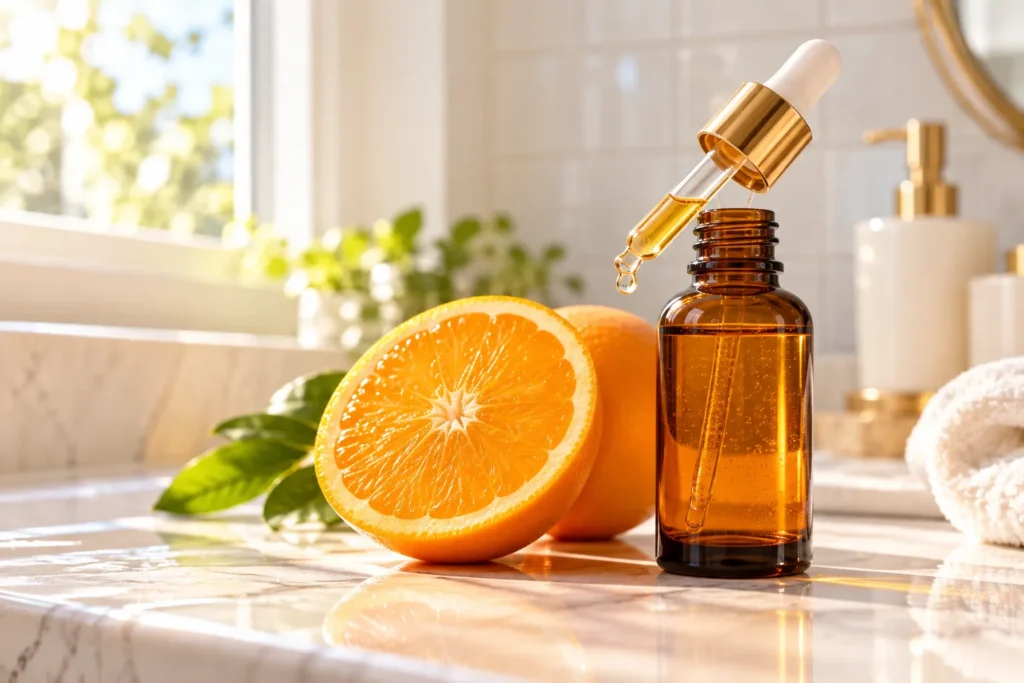
1. Vitamin C Serum for Dull, Tired-Looking Skin
Think of the moment you wake up and your skin just looks flat, like a lamp with the brightness turned down.
Vitamin C is an antioxidant, which means it helps protect skin from daily stress like sun and pollution. It also helps brighten the look of uneven tone over time. Most people do well with a serum in the 10 to 20 percent range. Apply it in the morning, right before sunscreen, so the two work as a team.
A common mistake is buying a serum that has turned dark orange or brown in the bottle. That usually means the vitamin C has oxidized and lost strength. Choose a dark or airtight bottle and keep it away from a sunny windowsill. If your skin feels stingy, start every other day.
2. Hyaluronic Acid Serum for Thirsty, Dehydrated Skin
Picture dry skin as a sponge left out overnight. It needs water pulled back in.
Hyaluronic acid is a humectant, so it grabs moisture and holds it close to the skin. That gives a plumper, softer look within minutes. It works well for dry, oily, and combination skin, which makes it one of the best serum picks for beginners.
Here is the fix most people miss. Apply it on slightly damp skin, then seal it with a moisturizer. If you put it on bone-dry skin in a very dry room, it can feel tight instead of juicy. A fresh splash of water first makes all the difference.
3. Niacinamide Serum for Oily Skin and Visible Pores
If your forehead turns shiny by lunchtime, this one is worth a spot on your shelf.
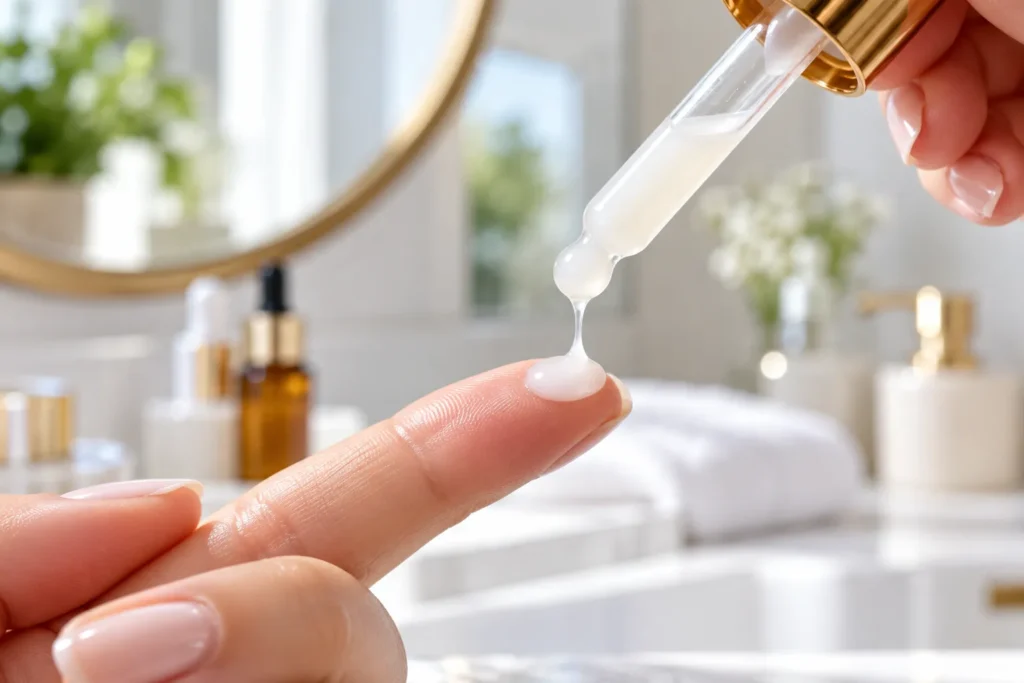
Niacinamide is a form of vitamin B3. It helps balance oil, soften the look of pores, and support the skin barrier. Many people use a serum with around 5 percent, and some go up to 10 percent. Higher is not always better, and too much can cause irritation.
Try it twice a day, morning and night, after cleansing. Oily and combination skin tends to love it, but dry skin can use it too when paired with a rich cream. If you notice little bumps or redness, pull back to once a day.
4. Retinol Serum for Fine Lines and Uneven Texture
This is the night-time workhorse that smooths the look of fine lines while you sleep.
Retinol speeds up the way skin renews itself, which helps with texture, tone, and early signs of aging. The catch is that it needs patience. Start with a low strength, such as 0.25 to 0.3 percent, and use it only two nights a week for the first few weeks.
The biggest mistake is jumping in nightly and ending up with peeling, red skin. Build slowly, use a pea-sized amount for the whole face, and always wear sunscreen the next day. Skip retinol if you are pregnant or nursing, and ask your doctor if you are unsure.

5. Peptide Serum for Firmer, Bouncier-Looking Skin
Imagine skin that springs back a little faster when you press it.
Peptides are short chains of amino acids that signal skin to look and feel firmer. They are gentle, which makes them a smart choice if retinol feels like too much. You will see the best results with steady use over a couple of months, not overnight.
Use a peptide serum morning or night, and layer it under your moisturizer. It pairs nicely with hyaluronic acid because one adds firmness while the other adds water. If you want an easy anti-aging step with little risk of irritation, start here.
6. Salicylic Acid Serum for Breakout-Prone Skin
Clogged pores can feel like they show up on the one day you wanted clear skin.
Salicylic acid is a BHA, which means it can slip into the pore and help clear built-up oil and dead skin. Look for a serum with 0.5 to 2 percent. Use it at night, a few times a week, and let your skin tell you if it wants more.
Most people overdo it. They scrub and layer three acne products, then wonder why their face feels raw. Treat it as one active step, add a simple moisturizer, and give it four to six weeks before you decide if it works.
7. Azelaic Acid Serum for Redness and Dark Marks
Here is one many shoppers overlook, even though it quietly does a lot.
Azelaic acid can help calm the look of redness, even out dark marks left behind by breakouts, and support clearer skin. Over-the-counter products often sit around 10 percent. It is usually well tolerated, which makes it a kind option for sensitive skin.
Use it once a day at first, morning or night. If you are working on post-acne marks, give it at least eight weeks before judging results. Because it is gentle, it also pairs well with niacinamide for a calm, even look.

8. Ceramide Barrier Serum for Sensitive, Stressed Skin
When your face stings after every product, the problem is often a worn-out skin barrier.
Ceramides are fats that already live in healthy skin and help keep moisture in and irritants out. A barrier-repair serum with ceramides, plus a few soothing ingredients, can bring comfort back after a rough patch of over-exfoliating.
If your skin feels tight or reactive, pause strong actives for a couple of weeks. Use a ceramide serum twice a day under a plain moisturizer. This is the kind of idea you will want to save for the next time your routine goes too far.
9. Gentle AHA Serum for Rough Texture and Dull Patches
If your skin feels bumpy under your fingertips, a gentle exfoliating serum can help it feel smoother.
AHAs like lactic acid and mandelic acid lift away dead skin on the surface. Lactic acid is a friendly starting point for beginners, often found at 5 to 10 percent. Use it at night, once or twice a week, then increase slowly.
Do not mix it with retinol on the same night when you are new to both. Alternate nights instead. Always wear sunscreen the next morning, since exfoliated skin burns more easily.
10. Brightening Serum for Dark Spots and Uneven Tone
Dark spots from sun or old breakouts can make skin look tired even when it feels healthy.
Look for serums with alpha arbutin, tranexamic acid, or licorice root. These ingredients help fade the look of discoloration gradually. Real change takes about two to three months, so take a photo in the same light each month to see the difference.
The key is sunscreen. Without daily SPF, new spots can form as fast as old ones fade. Pair your brightening serum with a broad spectrum sunscreen every morning and the results tend to last.
How to Choose the Best Serum for Your Skin Type
Start with one main concern, not five. Dry skin leans toward hyaluronic acid and ceramides. Oily or acne-prone skin does well with niacinamide or salicylic acid. Mature skin often prefers peptides and retinol. Sensitive skin can start with azelaic acid or a barrier serum.
Do a patch test on your inner arm or behind the ear for a day before using a new serum on your face. Introduce only one new product at a time so you know what is helping and what is not.
How to Layer Your Best Serum Without Pilling
Go from thinnest to thickest. Cleanse, apply your watery serum, wait a minute, then add moisturizer, and finish with sunscreen in the morning.
If your products ball up on your skin, you are probably using too much or layering too fast. Two to three drops is plenty for most faces. A simple routine with one serum in the morning and one at night is enough to see change.
Conclusion
Finding the best serum does not mean buying everything on the shelf. It means choosing one that fits what your skin is asking for right now, then giving it time. Skin that feels calm, hydrated, and a little brighter is a result worth being patient for. Pick one idea from this list and try it this week, and save this post so you can come back when your skin needs something new.
6. Image Alt Text Suggestions
- Dark amber dropper bottle of vitamin C serum beside a halved orange on a bathroom counter
- Woman pressing hyaluronic acid serum into damp cheeks after washing her face
- Lightweight niacinamide serum dropping onto a fingertip in a bright bathroom
- Retinol serum bottle and night cream on a bedside vanity with a warm lamp
- Pump bottle of peptide serum next to a pink moisturizer jar on a marble tray
- Salicylic acid serum bottle with a green leaf on a clean white vanity
- Close-up of smooth cheek in window light with an azelaic acid serum bottle in front
- Ceramide barrier serum, plain cream tub, and cotton washcloth on a neutral shelf
- Gentle AHA exfoliating serum with a bowl of milk and a white flower
- Woman applying sunscreen after a brightening serum in soft morning light
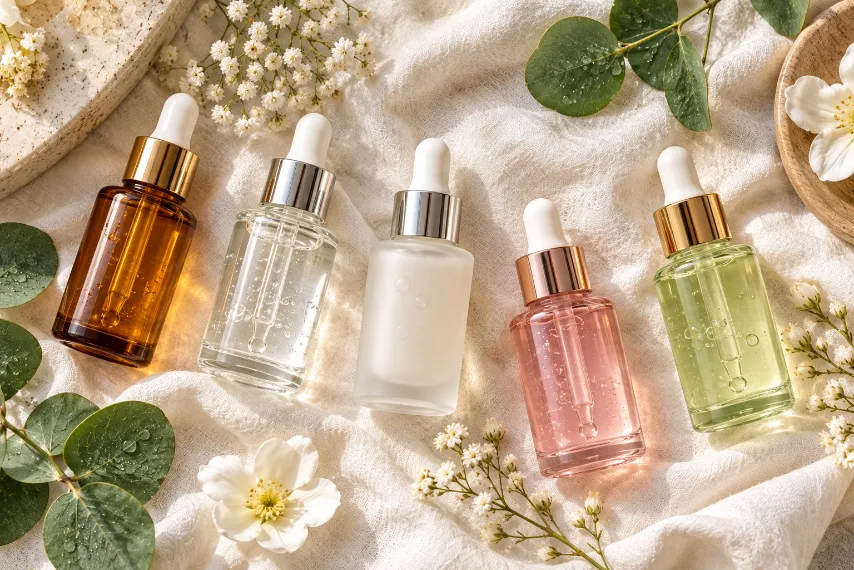
- Flat lay of five serum bottles in different shades on a cream linen cloth
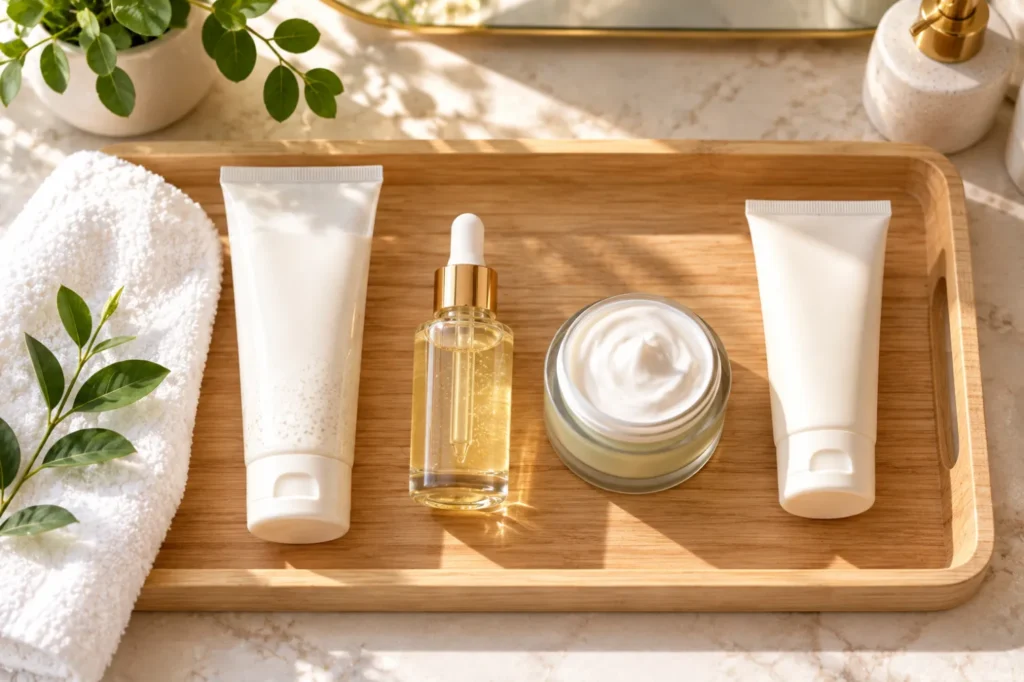
- Morning skincare routine laid out in order with cleanser, serum, moisturizer, and sunscreen
7. FAQ Section
What is the best serum for beginners?
Hyaluronic acid or niacinamide is usually the easiest place to start. Both are gentle and suit most skin types. Add one new serum at a time so you can see how your skin responds.
Should I use a serum in the morning or at night?
Antioxidants like vitamin C work best in the morning under sunscreen. Retinol, exfoliating acids, and salicylic acid are usually better at night. Hydrating and barrier serums can go in either routine.
Can I use more than one serum at a time?
Yes, but keep it simple. Pair a hydrating serum with one active, such as vitamin C in the morning and retinol at night. Avoid stacking several strong acids and retinol in the same routine.
How long does it take for a serum to work?
Hydration shows up in minutes, but brightening, texture, and fine lines take about 8 to 12 weeks of steady use. Take a photo each month to track progress.
Do I still need moisturizer if I use a serum?
Yes. Serums deliver active ingredients, while moisturizer seals them in and protects the skin barrier. Use both for the best result.
Can I use serums if I have sensitive skin?
Many people can, especially with gentle options like ceramides, azelaic acid, and hyaluronic acid. Patch test first and introduce one product at a time. If irritation continues, check in with a dermatologist.
Your master prompt’s final check mentions “Pearl Home Decor” and a few home-decor examples, which look like leftovers from an older version. I wrote to Daily Skin Guide’s voice instead. Want the feature image and numbered image prompts with alt tags next?


