

10 Dermatologist Tested Beauty Picks Worth Trying
You have probably stood in the skincare aisle feeling completely stuck. Every bottle promises glowing skin, but half of them leave your face red, tight, or breaking out a week later. It is exhausting to spend money on products that sound perfect on the label and then let you down in real life. This list cuts through that noise. Here are 10 dermatologist tested beauty picks that focus on what your skin actually needs, not just what sounds trendy.
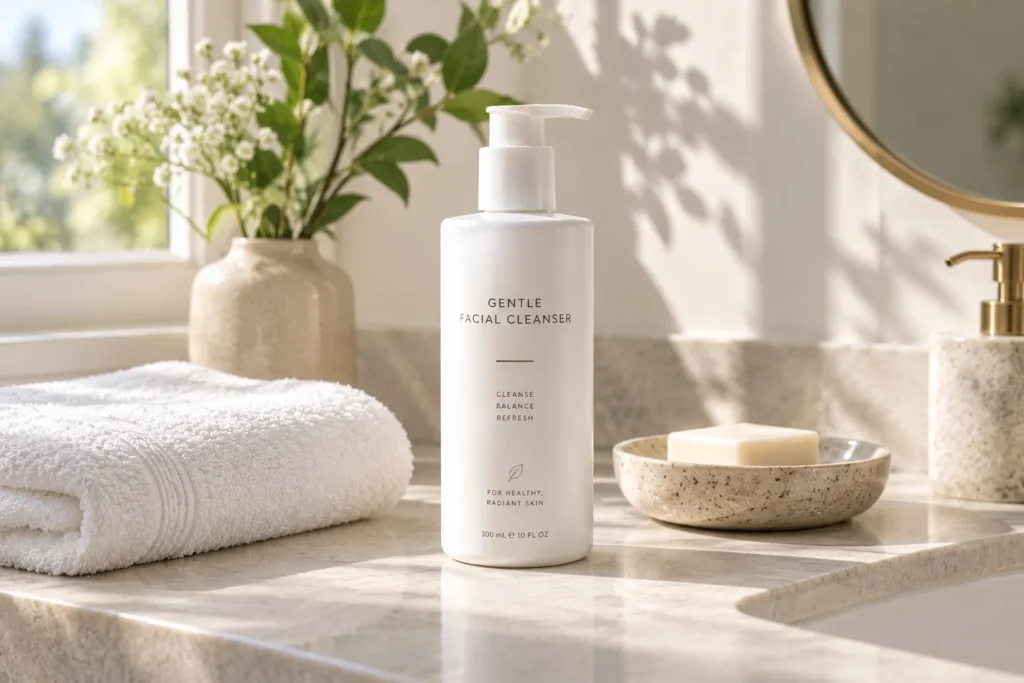
1. A Gentle, Fragrance Free Cleanser
Your cleanser sets the tone for your entire routine, so this is not the place to cut corners. A gentle, fragrance free cleanser removes dirt and oil without stripping your skin’s natural barrier. This matters most for people with sensitive or reactive skin, since fragrance is one of the most common irritants in skincare. Look for one with a creamy or gel texture that rinses clean without leaving your face feeling tight afterward. A common mistake is choosing a cleanser that foams heavily, thinking more lather means a deeper clean. In reality, that foaming action often strips away the oils your skin needs to stay balanced. If your face feels squeaky clean right after washing, that is usually a sign the cleanser is too harsh, not that it worked well.
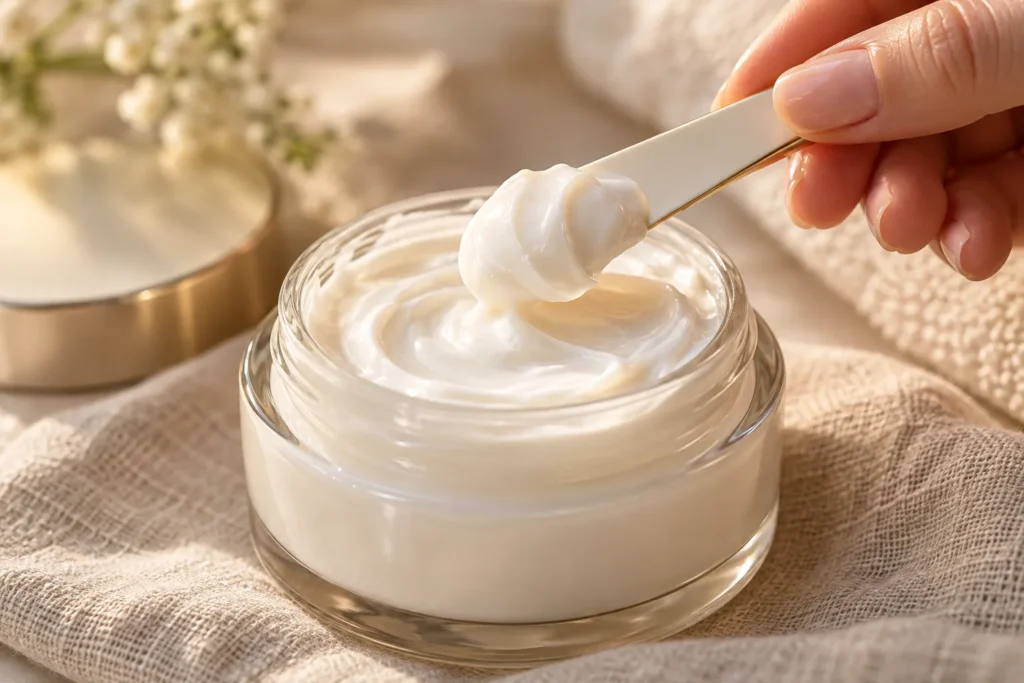
2. A Ceramide Based Moisturizer
Ceramides are naturally occurring lipids in your skin that help hold moisture in and keep irritants out. When your skin barrier is compromised from over exfoliating or using too many active ingredients, a ceramide based moisturizer helps rebuild that protective layer. This pick works especially well for anyone dealing with dry patches, flaking, or that tight feeling after a shower. Apply it while your skin is still slightly damp to help lock in extra hydration. One detail worth knowing is that ceramide creams often feel heavier than lightweight lotions, and that is by design. They are meant to sit on the skin and create a barrier, not absorb instantly like a serum.
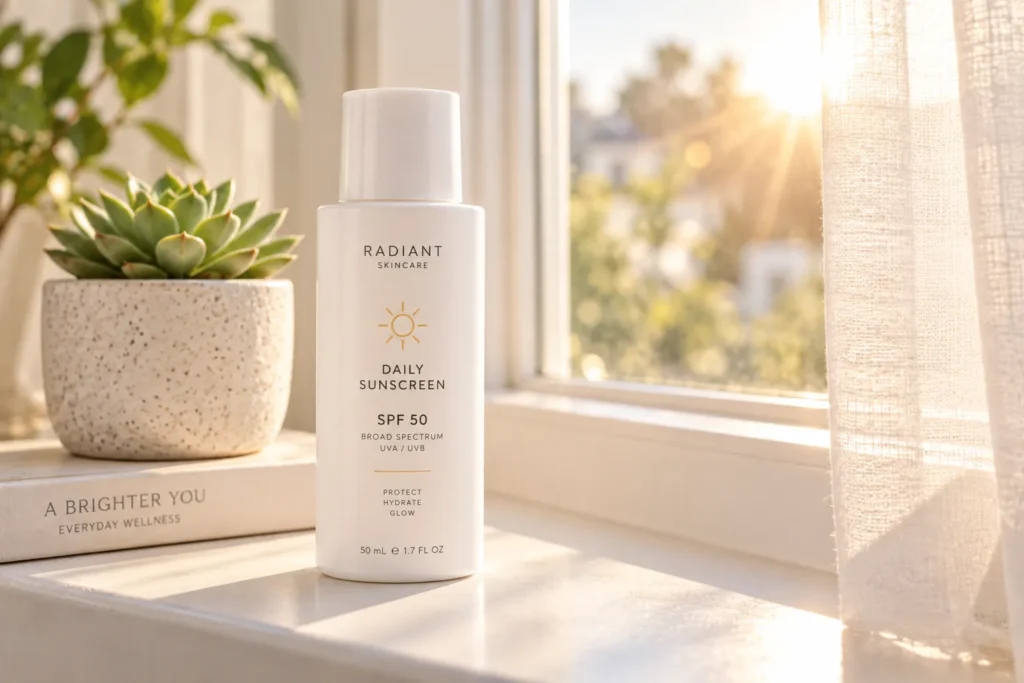
3. A Broad Spectrum Mineral Sunscreen
Sunscreen is the one step dermatologists agree on more than almost anything else in skincare. A broad spectrum mineral sunscreen using zinc oxide or titanium dioxide sits on top of the skin and physically blocks UV rays instead of absorbing them. This makes it a solid choice for sensitive skin or anyone who reacts to chemical filters. It works well for daily wear under makeup and for outdoor days at the beach or on a hike. A common mistake people make is applying too little, using less than a quarter sized amount for the face. Using less than the recommended amount lowers your actual protection level even if the bottle says SPF 50.
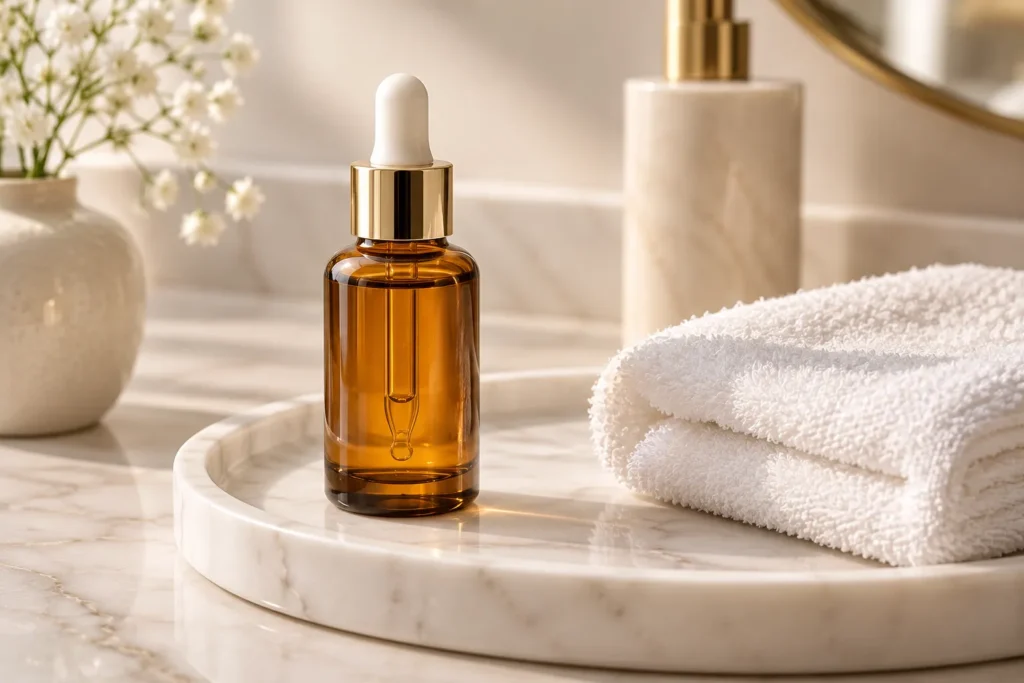
4. A Low Percentage Retinol Serum
Retinol has earned its reputation for smoothing fine lines and improving texture, but starting too strong is where most people go wrong. A low percentage retinol serum, somewhere around 0.25 to 0.5 percent, gives your skin time to adjust without the peeling and redness that scares people away from retinoids altogether. This pick is ideal for beginners or anyone with naturally sensitive skin who still wants the long term benefits. Start with two nights a week and slowly build up from there. Picture your skin gradually looking smoother and more even over the following weeks, rather than expecting overnight results. Patience here pays off far more than rushing to a stronger formula too soon.
5. A Hyaluronic Acid Serum
If your skin feels dehydrated rather than dry, meaning it looks dull but is not necessarily flaky, hyaluronic acid can make a noticeable difference. This ingredient draws water into the skin and plumps it from within, giving a fresher, more awake appearance. It works well layered under a heavier moisturizer, especially in colder months when indoor heating pulls moisture from the air. The detail most people miss is applying it to dry skin in a dry room, which can actually pull moisture out of your skin instead of into it. Always apply to damp skin and follow immediately with a moisturizer to seal it in.
[INTERNAL LINK OPPORTUNITY: hyaluronic acid serum for dry winter skin]
6. A Niacinamide Treatment
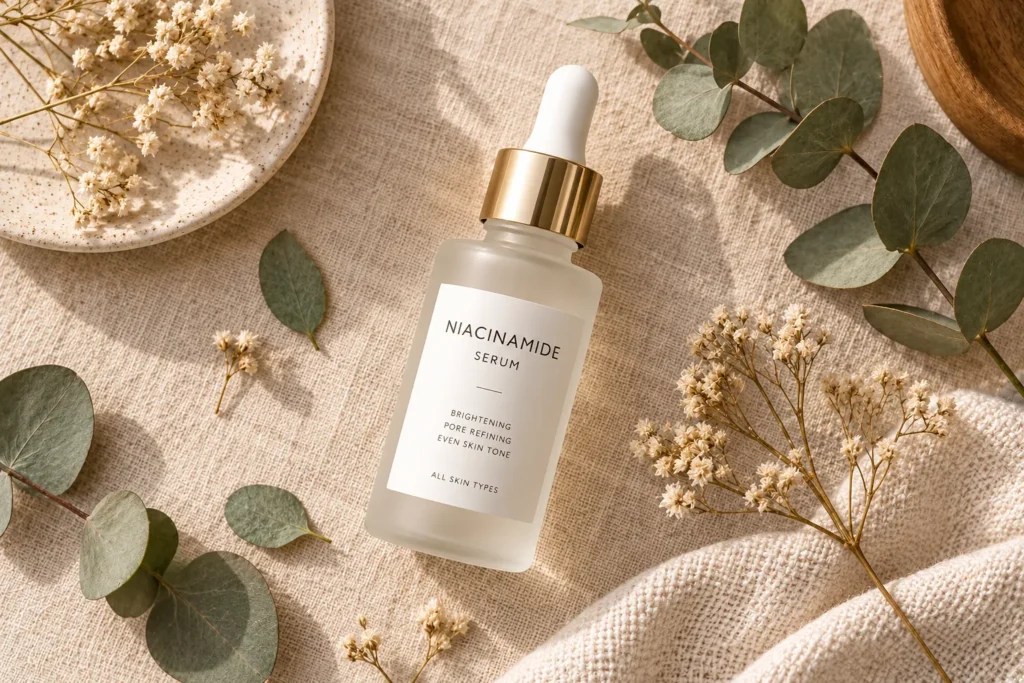
Niacinamide is one of those ingredients that quietly does a lot without causing irritation. It helps calm redness, minimize the look of pores, and support your skin barrier at the same time. This makes it a smart pick for anyone dealing with occasional breakouts and sensitivity at once, which is a tricky combination to treat. It plays well with almost everything else in your routine, including retinol and vitamin C, unlike some other actives that clash. A concentration between 5 and 10 percent is generally well tolerated by most skin types without needing a slow introduction period.
7. A Gentle Chemical Exfoliant
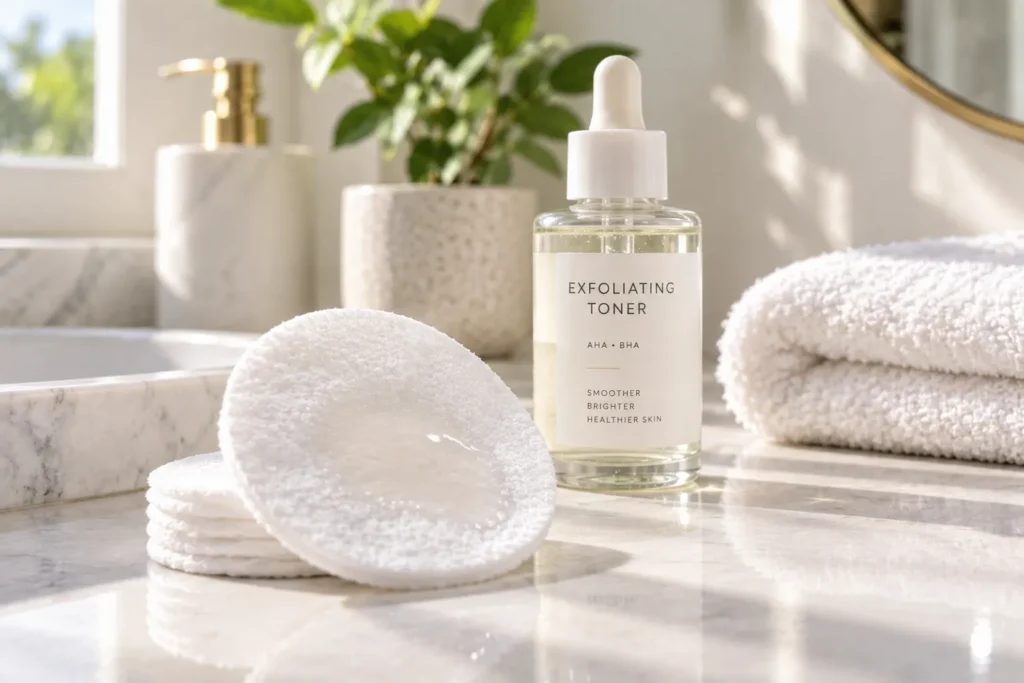
Physical scrubs with rough beads can create tiny tears in the skin that you cannot see but that still cause damage over time. A gentle chemical exfoliant using a low percentage of lactic acid or PHA offers a softer alternative that still removes dead skin buildup. This pick works especially well for anyone whose skin looks a little rough or dull despite a consistent routine. Use it two to three times a week at most, since overdoing exfoliation is one of the fastest ways to damage your barrier. Think of it as polishing your skin gently rather than scrubbing it, letting the acid do quiet work while you sleep.
8. A Lip Balm with Petrolatum or Ceramides
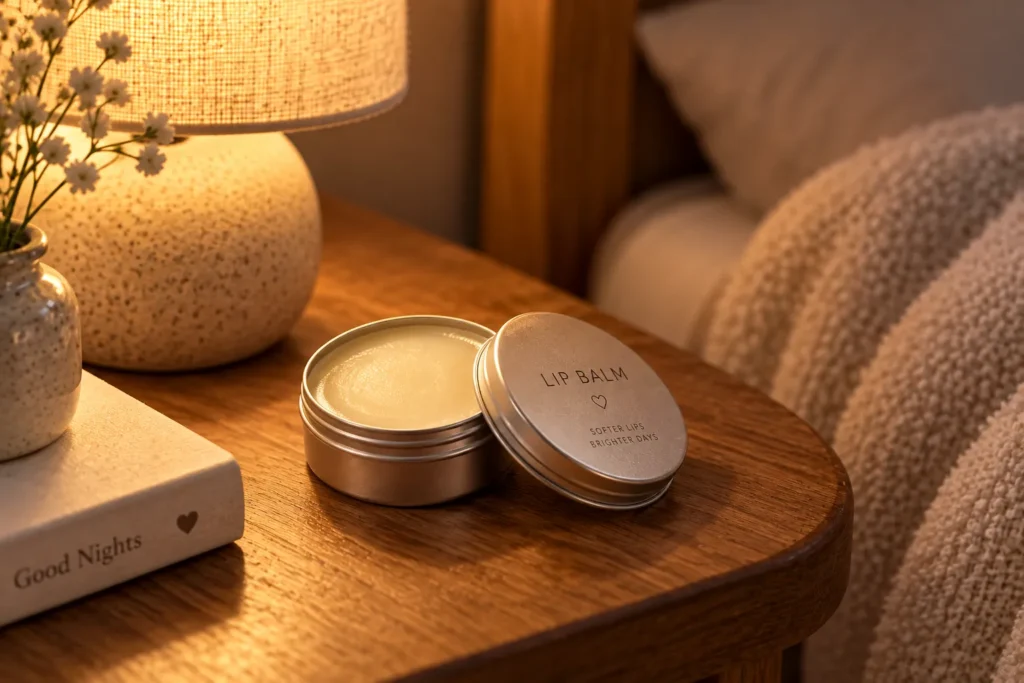
Lips have a thinner skin barrier than the rest of your face, which is why they dry out faster and heal slower. A lip balm formulated with petrolatum or ceramides creates an occlusive layer that locks in moisture rather than just coating the surface temporarily. This is especially useful during dry winter months or after long flights, when lips crack more easily. A common mistake is constantly licking dry lips throughout the day, which actually makes dryness worse as saliva evaporates and pulls moisture away. Keep a proper balm nearby instead, and reapply before your lips feel tight rather than after.
[INTERNAL LINK OPPORTUNITY: hydrating lip balm tips for smooth soft lips]
9. An Oil Free Moisturizer for Acne Prone Skin
If you deal with breakouts, skipping moisturizer entirely is a mistake that often backfires. An oil free, non comedogenic moisturizer keeps your skin hydrated without clogging pores or adding extra shine throughout the day. This pick works best paired with treatments like benzoyl peroxide or salicylic acid, which can be drying on their own. Look for a gel based texture that absorbs quickly and leaves a matte finish rather than a greasy one. When skin is under hydrated, it can actually produce more oil to compensate, which sometimes leads to more breakouts, not fewer.
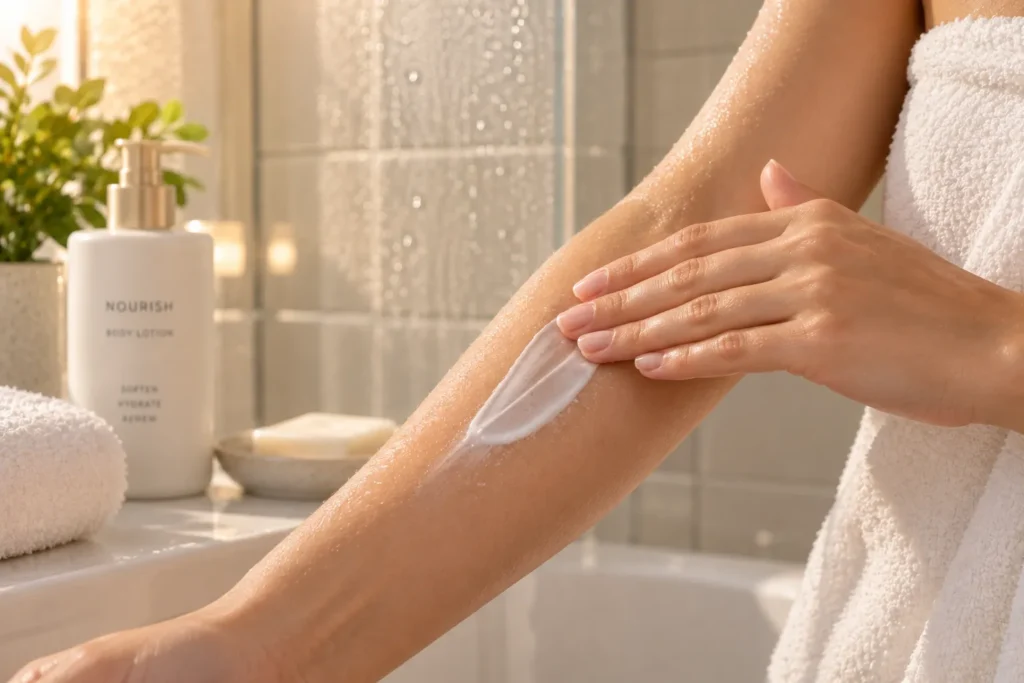
10. A Fragrance Free Body Lotion
It is easy to focus all your attention on your face and forget the rest of your skin needs the same care. A fragrance free body lotion, especially one with ceramides or shea butter, helps with rough patches on elbows, knees, and shins that regular soap tends to dry out. This pick matters most right after a shower, when your skin is most receptive to absorbing moisture. Apply it within a few minutes of stepping out, while your skin is still slightly damp, to get the most benefit. Over time, this small habit adds up to noticeably softer skin without needing anything fancy or expensive.
Final Thoughts
Building a skincare routine does not have to feel like a guessing game. When you choose products with ingredients that are actually backed by dermatology, your skin has a real chance to improve instead of just reacting to whatever is trending. Start small, maybe with just the cleanser and sunscreen from this list, and build from there as your skin adjusts. Your future self will thank you for the patience. Save this list so you have it ready the next time you are restocking your skincare shelf.
Image Alt Text Suggestions
- Minimal bathroom counter with gentle fragrance free facial cleanser bottle
- Ceramide moisturizer cream being scooped from a jar for dry skin
- Broad spectrum mineral sunscreen bottle on a sunny windowsill
- Amber glass dropper bottle of low percentage retinol serum
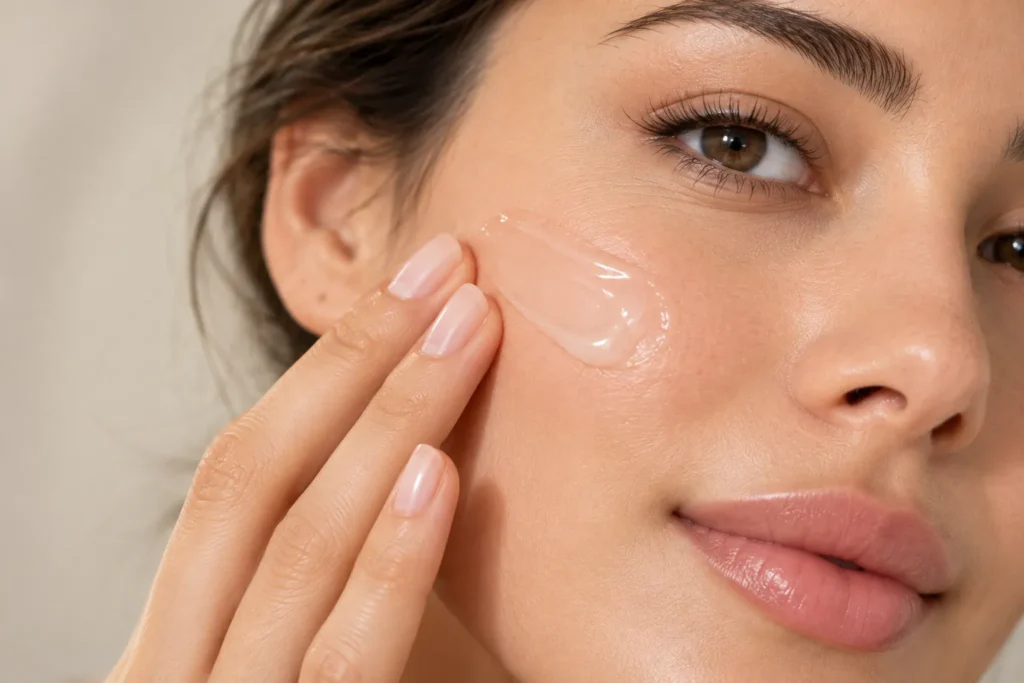
- Woman applying hyaluronic acid serum to cheek for hydration
- Niacinamide serum bottle flat lay with dried botanicals
- Cotton pad with gentle chemical exfoliant on bathroom counter
- Lip balm tin with petrolatum for dry cracked lips
- Gel moisturizer applied to clear matte acne prone skin
- Fragrance free body lotion applied to forearm after shower
FAQ Section
Are dermatologist tested products actually safer than regular skincare?
Dermatologist tested generally means the product was evaluated for skin reactions, which can lower the risk of irritation. It does not guarantee results for every skin type, so patch testing new products is still a smart habit.
How long does it take to see results from dermatologist recommended products?
Most skincare ingredients need at least four to six weeks of consistent use before you notice a real difference. Skin cell turnover takes time, so patience matters more than switching products too quickly.
Can I use retinol and niacinamide together?
Yes, niacinamide is one of the few actives that pairs well with retinol and can even help reduce irritation. Many dermatologists recommend layering niacinamide first, then retinol, especially for sensitive skin.
Do I really need sunscreen every day, even indoors?
UVA rays can pass through windows and contribute to premature aging even without direct sun exposure. Daily sunscreen use, rain or shine, indoors or out, is one of the most consistently recommended dermatology habits.
What is the difference between chemical and physical exfoliants?
Physical exfoliants use small particles to manually scrub away dead skin, while chemical exfoliants use acids to dissolve the bonds holding dead skin cells together. Chemical exfoliants are generally gentler and more even across the skin’s surface.
Is it bad to moisturize if I already have oily or acne prone skin?
No, skipping moisturizer can actually make oily skin worse by triggering extra oil production to compensate. An oil free, non comedogenic formula keeps skin balanced without adding shine or clogging pores.
Article’s ready above with all the required sections — SEO title, meta description, Pinterest fields, the full post with image and internal link flags, alt text, and FAQs. Let me know if you want tweaks to any of the ten picks or a different angle on the intro/conclusion.


