

10 Face Hydration Tips for Soft, Glowing Skin
Does your skin ever feel tight right after you wash your face, even though you just moisturized an hour ago? You are not doing anything wrong. Most of us were taught that moisturizer alone fixes dry skin, but hydration works differently than that. It is less about slathering on more cream and more about helping your skin hold onto the water it already has. This list walks you through ten simple, real ways to get your face soft, plump, and glowing again, without overhauling your entire routine.
1. Understand the Difference Between Hydrating and Moisturizing
Most people use these words like they mean the same thing, but they do not. Moisturizing seals in water with oils and emollients. Hydrating adds water to your skin in the first place, usually with humectants like hyaluronic acid or glycerin. If your skin still feels tight under a rich cream, the problem is not oil. It is water. A common mistake is buying a heavier moisturizer when skin feels dry, when what it actually needs is a hydrating layer first. Think of it like a sponge. You need to soak the sponge before you seal in the moisture, or you are just sealing in dryness.
For oily but dehydrated skin, a lightweight hyaluronic acid serum before your regular moisturizer makes a noticeable difference within a week.
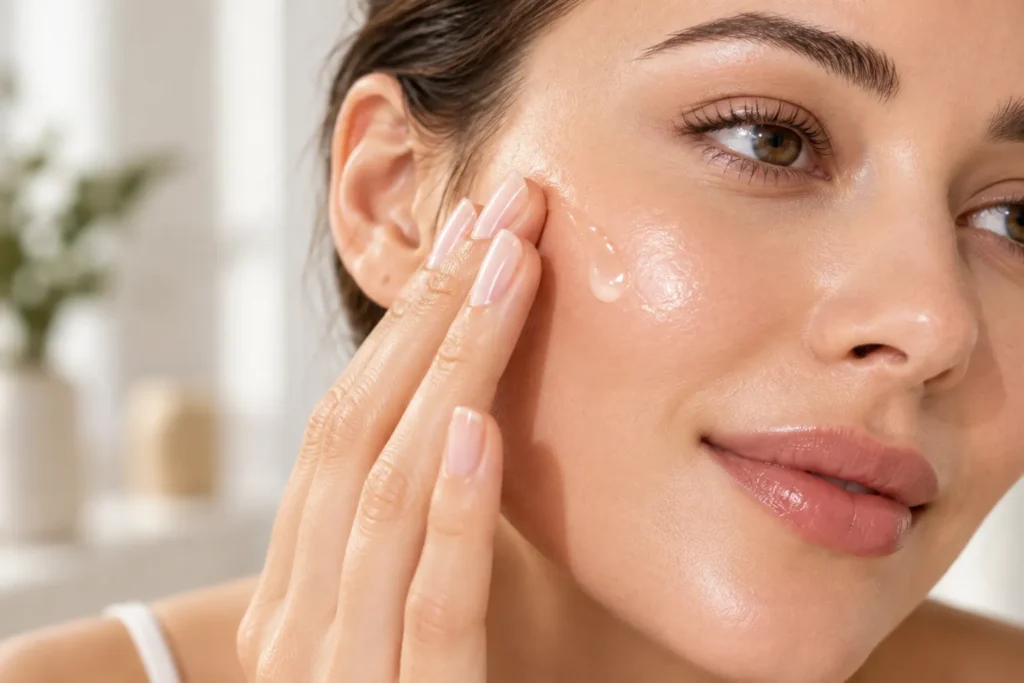
2. Apply Products to Damp Skin, Not Dry Skin
Here is something most skin care guides skip over. Humectant ingredients pull water from the air or from deeper layers of your skin. If your face is completely dry when you apply them, they have less water nearby to pull from, so they work far less effectively. Pat your face with a damp towel or apply your hydrating serum right after cleansing, while your skin is still a little wet.
This is especially useful for anyone who lives somewhere dry, like a heavily air conditioned apartment or a cold climate in winter. Locking hydration in while skin is damp helps the product actually do its job instead of evaporating.

3. Choose a Humectant That Matches Your Skin Type
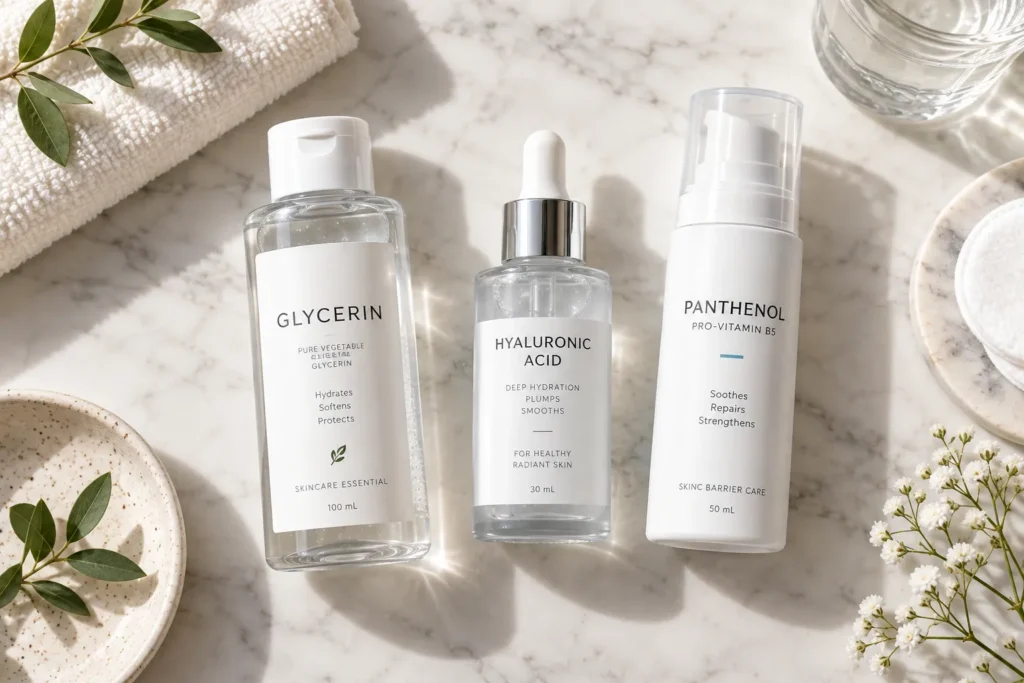
Hyaluronic acid gets all the attention, but it is not the only option, and it is not always the right one. Glycerin is gentler and works well for sensitive or reactive skin. Hyaluronic acid holds more water and suits normal to combination skin. Panthenol, also known as pro vitamin B5, hydrates while calming redness, which makes it a great pick for anyone dealing with irritation alongside dryness.
A common mistake is layering three or four hydrating products at once, assuming more is better. Your skin can only absorb so much. Pick one or two humectants that suit your skin and give them a real chance to work before adding more.
4. Do Not Skip Facial Oil, Even If You Have Oily Skin
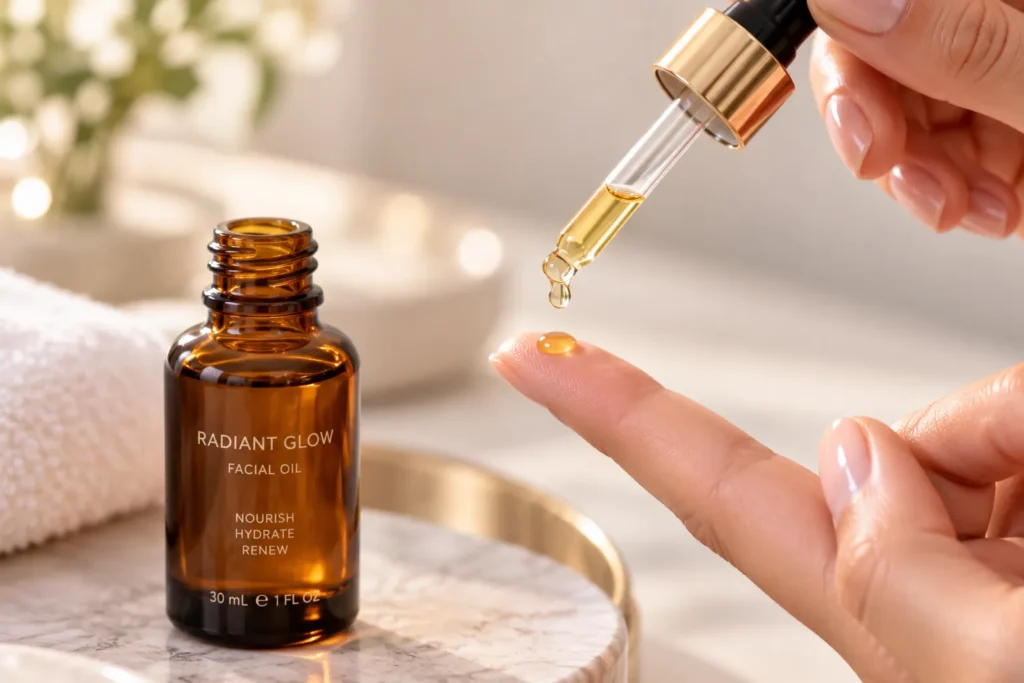
This one surprises a lot of people. Facial oil is not the enemy of hydration, it is the seal that keeps hydration from escaping. After applying a water based hydrating product, a few drops of a lightweight oil like squalane or jojoba locks that moisture in without feeling greasy. Skin that constantly overproduces oil is often dehydrated, not oily, and it is trying to compensate.
If you have breakout prone skin, look for non comedogenic oils and apply a very thin layer, just enough to feel a slight seal on the surface.
[INTERNAL LINK OPPORTUNITY: best facial oils for combination skin]
5. Use a Humidifier While You Sleep
Your skin loses a surprising amount of water overnight, especially if you sleep with heating or air conditioning running. A humidifier in your bedroom adds moisture back into the air, which slows down how fast your skin dries out while you sleep. This is one of the easiest fixes on this list because it takes zero effort once it is set up.
For anyone in a dry climate or a heavily heated apartment during winter, this single change often makes more visible difference than adding another serum to the routine.

6. Rethink Your Cleanser
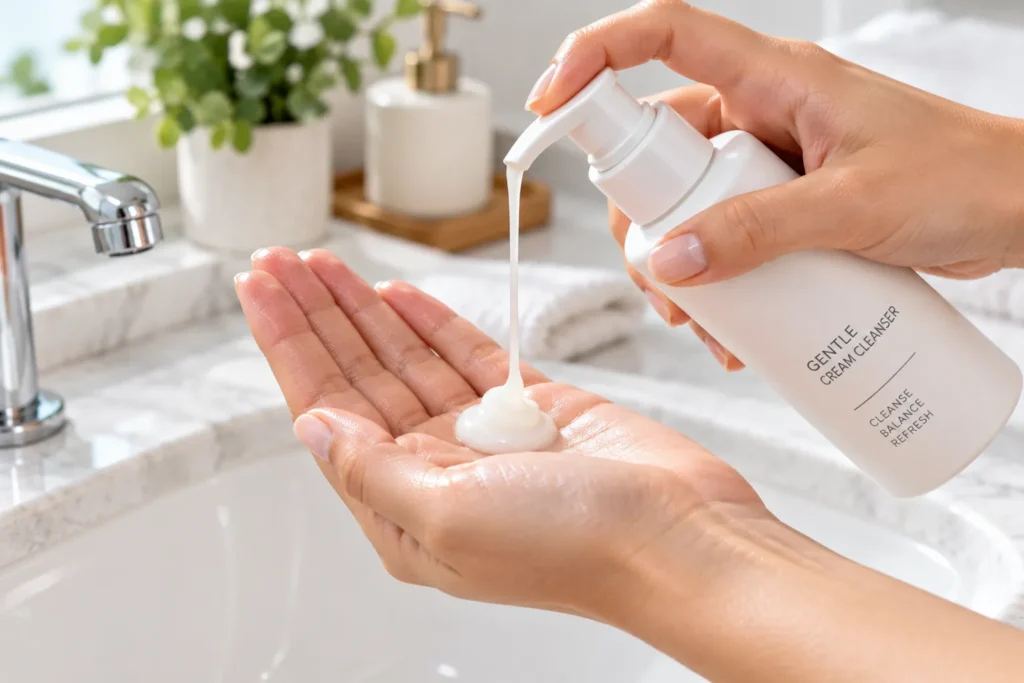
A cleanser that leaves your skin feeling squeaky clean is usually stripping away the natural oils your skin needs to hold moisture. That tight feeling right after washing is not a sign of a deep clean, it is a sign of damage to your skin barrier. Switching to a gentle, low foam or cream cleanser can prevent this daily stripping effect.
This matters most for people who wash their face twice a day. Over time, a harsh cleanser used morning and night can undo every other hydrating step in your routine.
7. Add a Hydrating Mist Throughout the Day
Keeping a facial mist at your desk or in your bag gives your skin a quick moisture boost during the day, especially if you work in air conditioning or spend hours under heating vents. A mist alone will evaporate quickly if nothing seals it in, so the trick is spritzing it on top of a light layer of moisturizer, not on bare skin.
This is a great option for anyone who travels often, since cabin air on flights is notoriously drying and a mist can be reapplied without disrupting makeup.

8. Watch Your Water Intake, But Do Not Expect Miracles From It Alone
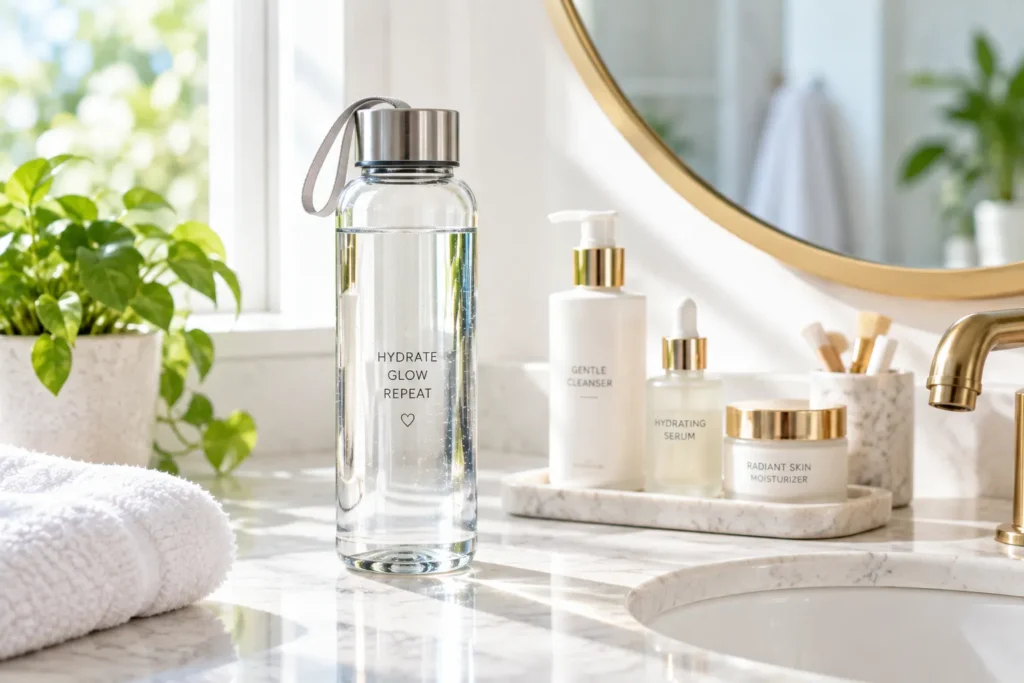
Drinking enough water supports your whole body, skin included, but it will not undo the effects of a harsh routine or a dry environment on its own. Think of hydration as needing to work from both inside and outside. If you are already drinking plenty of water and your skin still feels tight, the fix usually lives in your skin care routine or your environment, not in drinking more water than your body needs.
A helpful middle ground is pairing consistent water intake with topical humectants, since skin absorbs and holds water differently depending on what is applied to its surface./[IMAGE SUGGESTION: A glass water bottle on a bathroom counter next to skin care products, natural daylight]
9. Exfoliate Gently and Less Often Than You Think
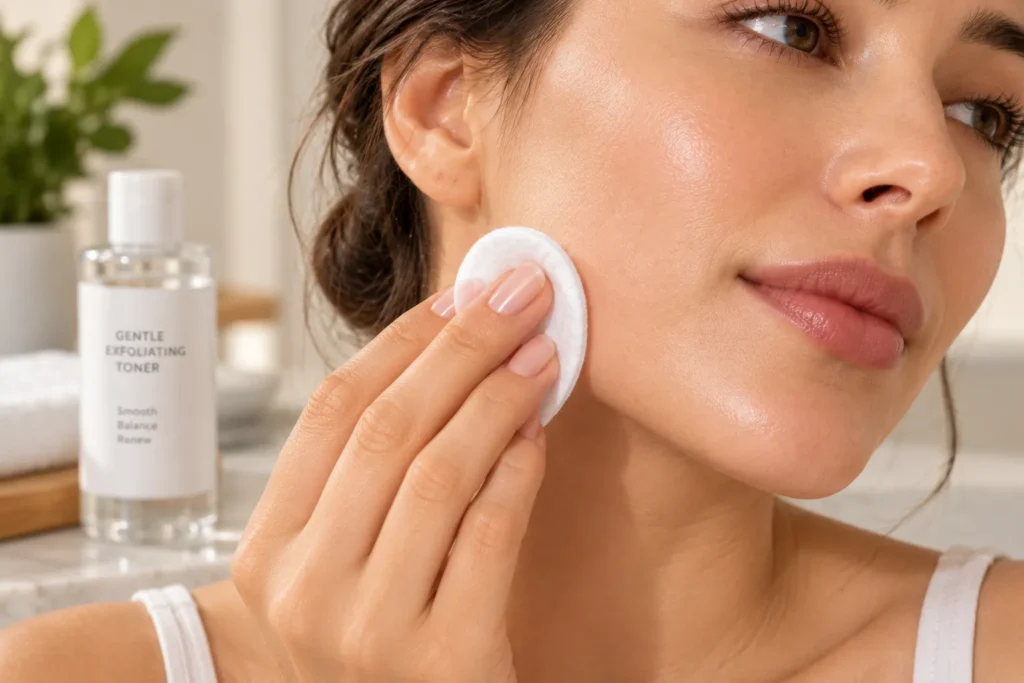
Dead skin cell buildup can block hydrating products from actually reaching your skin, which is why gentle exfoliation helps. But over exfoliating does the opposite of what you want. It damages the skin barrier that keeps moisture locked in, leading to more dryness, not less. Once or twice a week with a mild chemical exfoliant, like a low percentage lactic acid, is usually enough for most skin types.
If your skin feels tight, flaky, or irritated after exfoliating, that is a sign to pull back, not push harder. Give your skin barrier time to recover before your next session.
10. Protect Your Skin Barrier With Ceramides
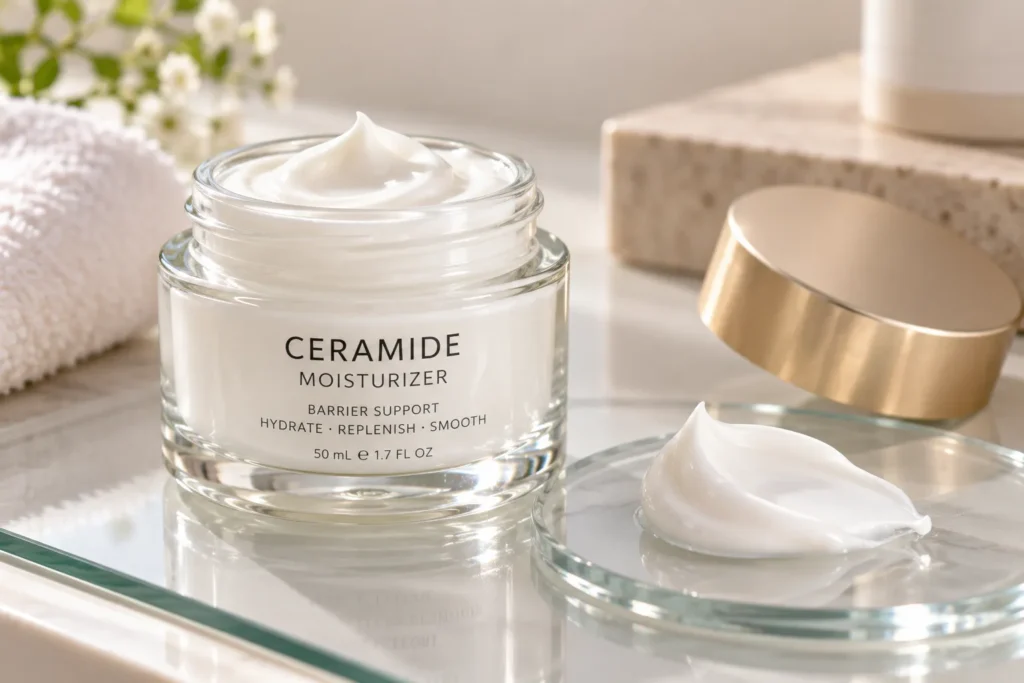
Ceramides are fats that naturally exist in your skin and act like the mortar between bricks, holding everything together and keeping moisture from escaping. When your skin barrier is compromised from over cleansing, over exfoliating, or harsh weather, ceramide levels drop and hydration leaks out faster than you can replace it. Adding a ceramide based moisturizer as your last step helps rebuild that barrier over time.
This tip matters most for anyone dealing with persistent dryness that does not improve no matter how much they hydrate. If nothing else on this list has worked, barrier repair is often the missing piece.
[INTERNAL LINK OPPORTUNITY: how to repair a damaged skin barrier naturally]
Dry, tight skin can feel discouraging, especially when you already own a shelf full of products that promise to fix it. The truth is that hydration is less about buying more and more about using what you have the right way, in the right order, at the right time. Start with just one or two changes from this list, maybe applying serum to damp skin or adding a humidifier at night, and give your skin a couple of weeks to respond. Save this list so you can come back to it as you build out the rest of your routine. Your skin does not need a complete overhaul, just a little more attention in the right places.
Image Alt Text Suggestions
- Woman applying hyaluronic acid serum to cheek for face hydration
- Patting damp skin with towel before applying hydrating skin care
- Glycerin, hyaluronic acid, and panthenol skin care bottles flat lay
- Facial oil dropper bottle for sealing in skin hydration
- Humidifier running in bedroom for overnight skin hydration
- Creamy gentle cleanser being applied for dry skin care routine
- Travel size hydrating face mist spray for on the go skin care
- Water bottle next to face hydration skin care products
- Gentle chemical exfoliant applied with cotton pad on jawline
- Ceramide moisturizer jar for repairing the skin barrier
FAQ Section
What is the fastest way to hydrate dry skin? Applying a hyaluronic acid or glycerin serum to damp skin, then sealing it with a moisturizer, gives the quickest visible improvement. Results usually show within a few days of consistent use.
Why does my face still feel dry after moisturizing? Your moisturizer may be sealing in dryness instead of hydration if you are not using a humectant product first. Dry skin often needs water added back in before oils or creams can do their job.
Can drinking more water fix dry skin? Water intake supports overall skin health, but it usually will not fix dryness caused by a harsh routine or dry air on its own. Pairing good hydration habits inside and out works best.
Is facial oil bad for oily or acne prone skin? Not necessarily. A lightweight, non comedogenic oil can help seal in hydration without clogging pores, and dehydrated oily skin often improves once hydration is addressed properly.
How often should I exfoliate for better hydration? Once or twice a week is enough for most skin types. Over exfoliating damages the skin barrier and makes dryness worse instead of better.
What ingredient helps repair a damaged skin barrier? Ceramides are one of the most effective ingredients for barrier repair, since they help hold moisture in and rebuild skin’s natural protective layer over time.


