

10 SPF Cream Tips for Healthy, Glowing Skin
You already know you should wear SPF cream every day. But knowing that and actually doing it right are two very different things. Maybe your sunscreen leaves a white cast, or it feels greasy by noon, or you simply forget it after moisturizer. If any of that sounds familiar, you are not alone, and it is not your fault. Most SPF advice online is either too technical or too vague to actually help. This article breaks down 10 real, practical SPF cream tips that will help your skin stay protected and glowing, no dermatology degree required.
1. Pick the Right SPF Cream for Your Skin Type
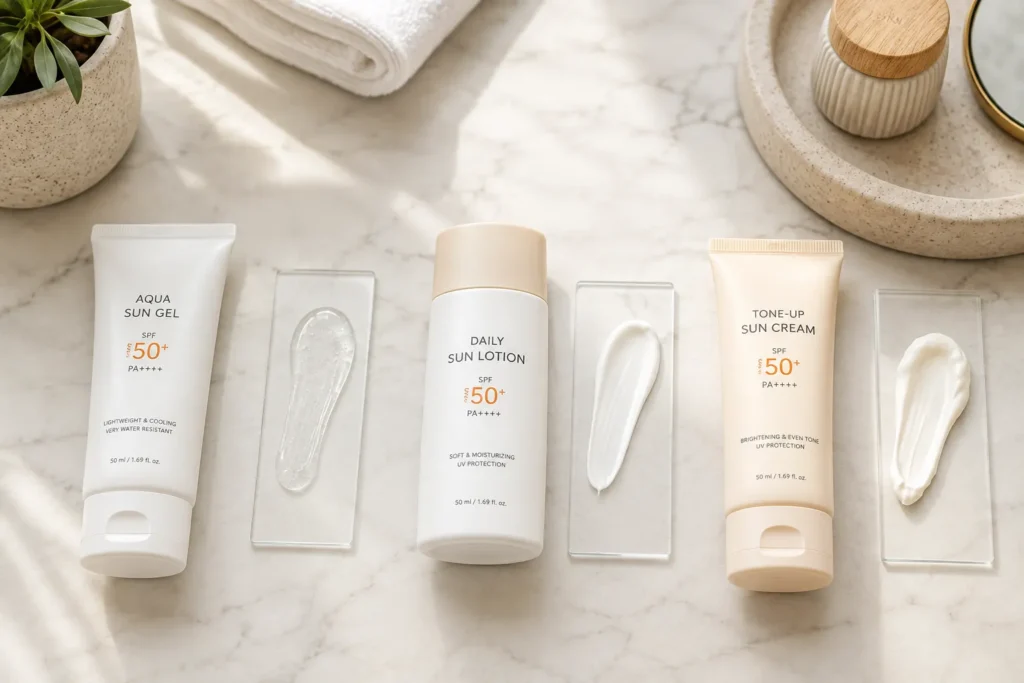
Not every SPF cream works the same way on every face. If you have oily or acne-prone skin, a heavy, creamy formula will likely clog your pores by midday. If your skin runs dry, a lightweight gel sunscreen might leave you feeling tight and flaky.
A common mistake is grabbing whatever SPF cream is cheapest or most popular, without checking if the formula matches your skin. Instead, look at the base ingredients. Gel and fluid formulas tend to suit oily skin, while cream and lotion textures work better for dry or mature skin. For example, someone with combination skin might use a gel SPF on their forehead and nose, and a slightly richer one on their cheeks.
2. Apply SPF Cream as the Last Step in Your Morning Routine
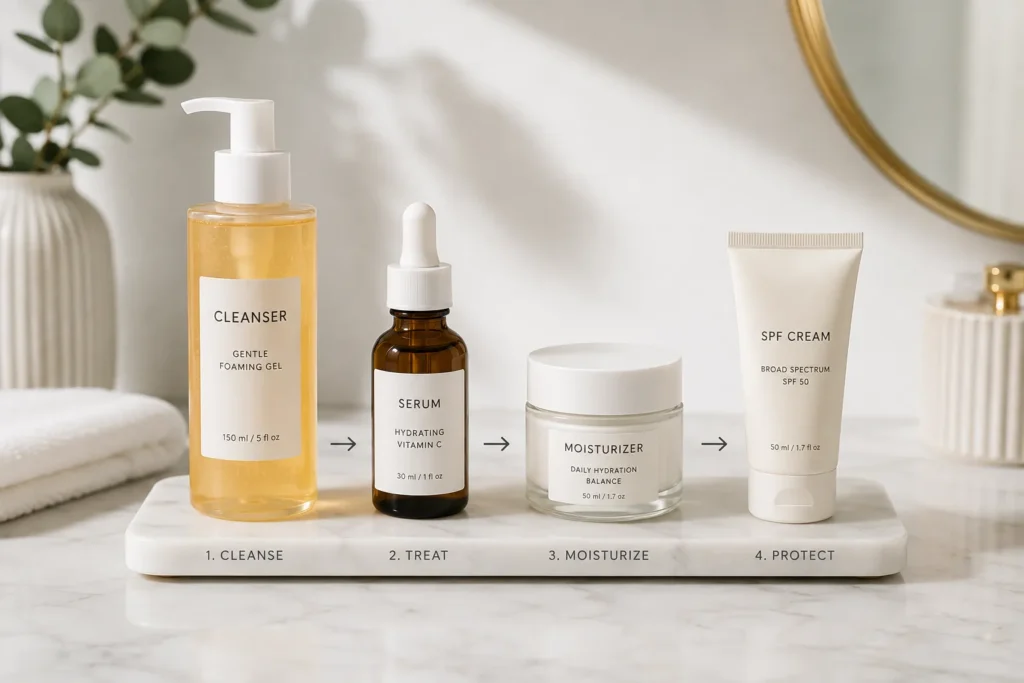
Where sunscreen sits in your routine actually matters. SPF cream should go on after your moisturizer and before makeup, as close to the last step as possible.
Many people layer it too early, right after cleansing, which weakens how well it sits on the skin and reduces protection. Think of your moisturizer as the base coat and SPF as the sealant on top. If you are using a vitamin C serum, apply that first, let it absorb, then follow with moisturizer, then SPF. This order gives every product room to do its job without interfering with the others.
3. Use Enough Product, Even If It Feels Like Too Much
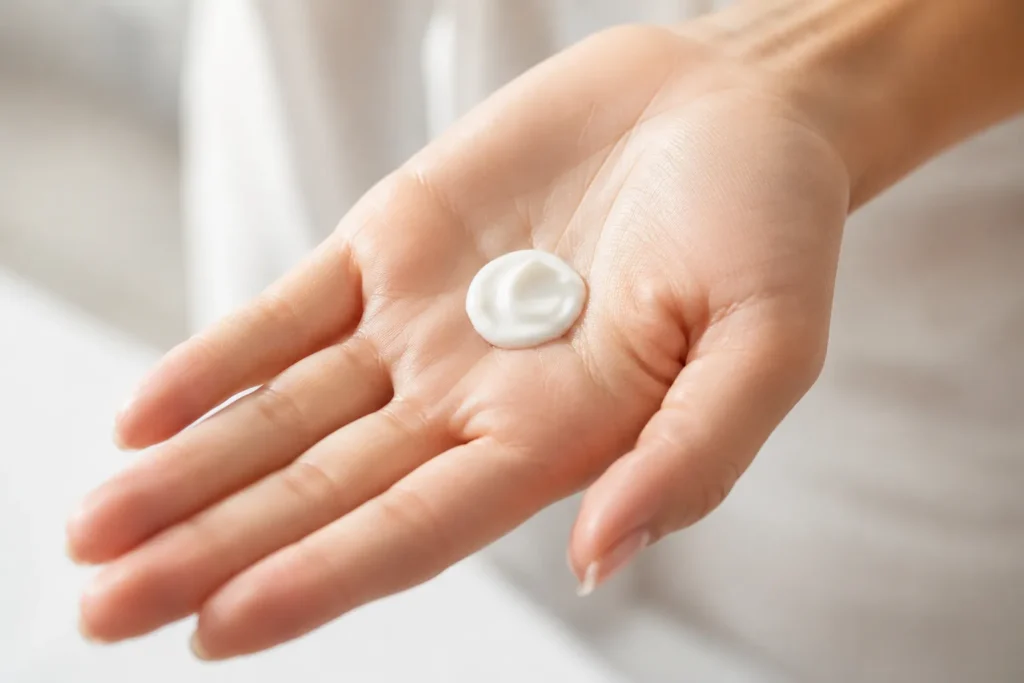
Here is something most people get wrong without realizing it. The average person applies less than half the SPF cream needed to get the protection printed on the bottle. A thin swipe simply is not enough.
For your face and neck, aim for about a quarter teaspoon, roughly the size of a coin poured into your palm. It might feel like a lot at first, especially if you are used to a light touch. But under-applying SPF is like buying SPF 50 and only getting the benefits of SPF 15. If your skin feels sticky right after, give it a minute to settle before adding makeup on top.
4. Reapply Every Two Hours, Even Indoors Near Windows
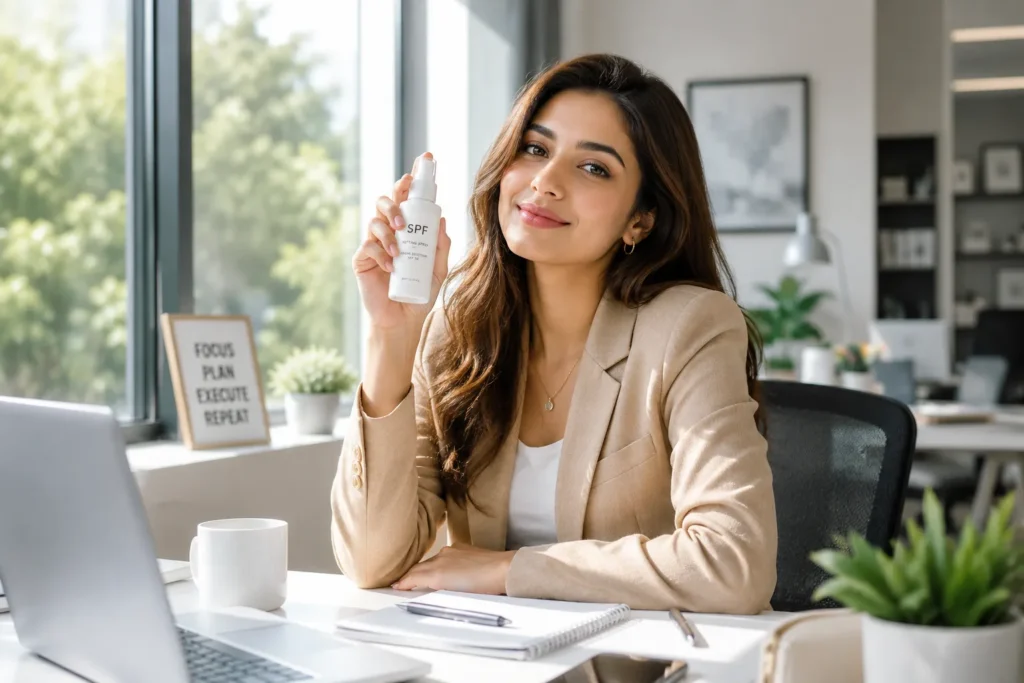
This tip surprises a lot of people. SPF cream is not a one and done deal. It breaks down over time, especially with sweat, oil, and sun exposure, and needs to be reapplied roughly every two hours to keep working.
If you work near a window all day, UVA rays can still reach your skin through the glass, so reapplication still matters even indoors. A setting spray with SPF is a simple fix for reapplying over makeup without ruining your look. Keep a small SPF spray in your bag or desk drawer for a quick midday refresh, especially if you commute or spend lunch outside.
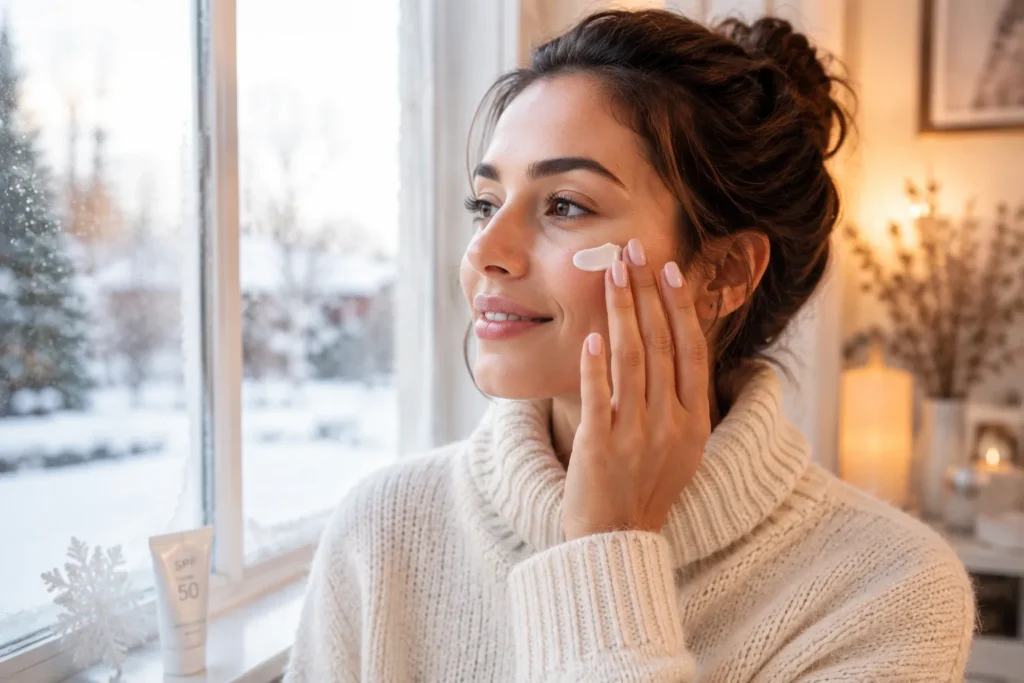
5. Do Not Skip SPF Cream on Cloudy or Winter Days
It is easy to assume that gray skies mean no sun damage, but up to 80 percent of UV rays pass through clouds. This is one of the biggest reasons people end up with sun damage they never expected.
Winter sun combined with snow glare can actually intensify UV exposure, which catches a lot of people off guard. Keep your SPF cream in your daily routine all year, not just during summer. A lightweight daily moisturizer with SPF built in makes this an easy habit to stick with, even in colder months when sunscreen feels like the last thing on your mind.
6. Check the Expiration Date on Your SPF Cream
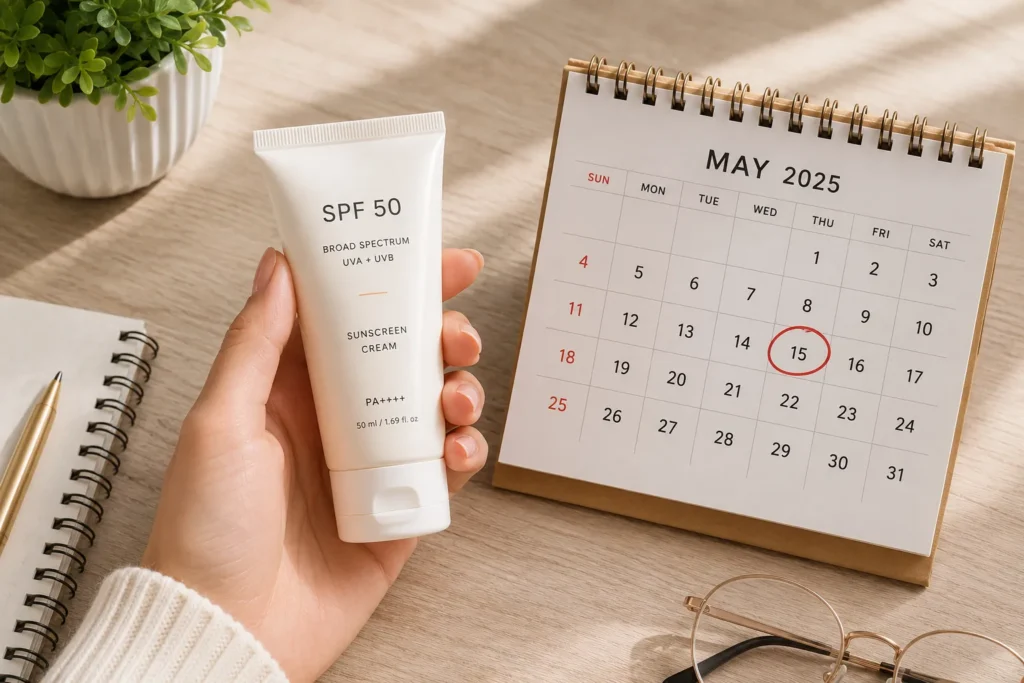
Sunscreen does not last forever, and using an expired one means you might be getting little to no real protection. Most SPF creams are good for about 12 to 24 months once opened, but heat and sunlight exposure can break down the active ingredients faster.
A common mistake is keeping sunscreen in a hot car or a sunny bathroom windowsill, which shortens its shelf life significantly. If your SPF cream has changed color, texture, or smell, it is time to replace it, even if the date on the bottle has not technically passed. Store it in a cool, dry place like a drawer instead, and mark the opening date on the bottle with a marker so you always know when to toss it.
7. Layer SPF Cream Under Makeup Without Pilling
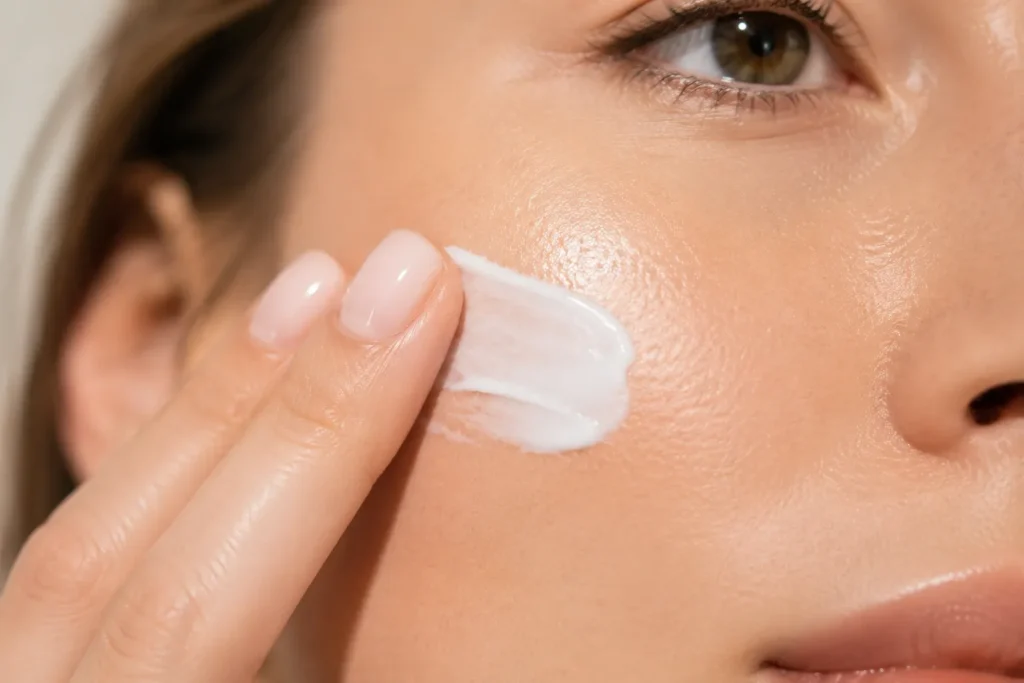
If your SPF cream pills or balls up under foundation, the problem is usually not your makeup, it is how the sunscreen is being applied. Rubbing it in too fast or applying too much at once are the usual culprits.
Instead, apply a thin layer, wait about two full minutes, and press the next product in gently with your fingertips rather than swiping with a brush. For a smoother finish, choose a sunscreen labeled as makeup friendly or one with a silicone-based finish, which tends to sit better under foundation. This small change in technique can save you from redoing your whole face halfway through the morning.
8. Do Not Forget These Commonly Missed Spots
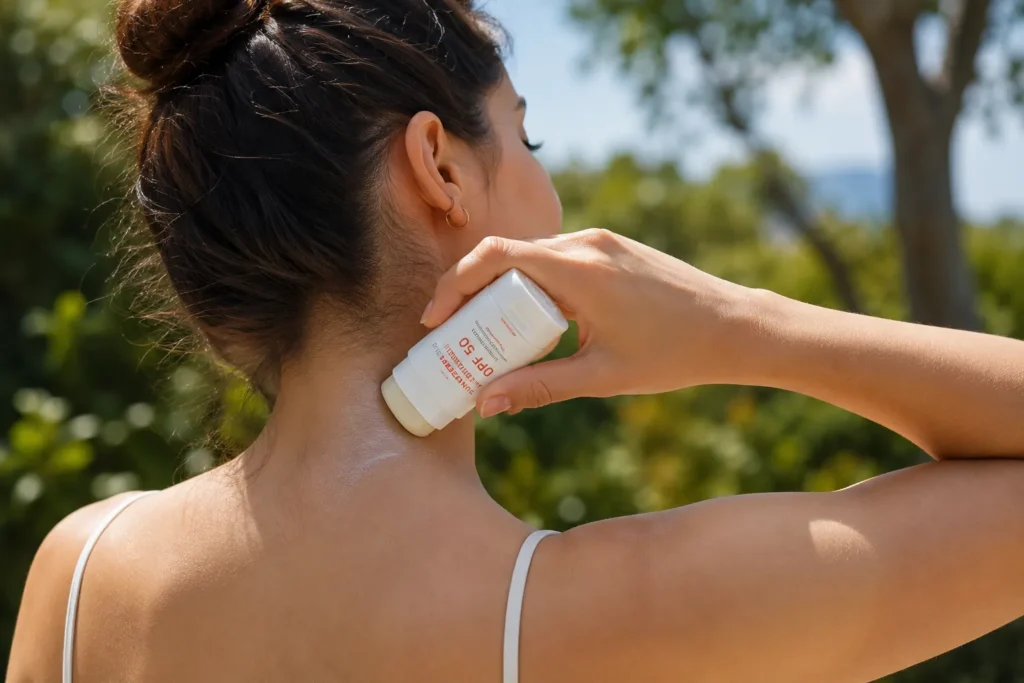
Most people cover their face well but completely skip a few key areas. Ears, the back of the neck, the hairline, and the tops of the feet are some of the most commonly missed spots when applying SPF cream.
These areas are just as exposed to UV rays as your face, especially if you wear your hair up or sandals in warmer months. A save worthy trick is to keep a stick sunscreen in your bag specifically for quick touch ups on these forgotten areas, since sticks are less messy for on the go application. Next time you apply your SPF cream, do a quick mental checklist of these spots before you walk out the door.
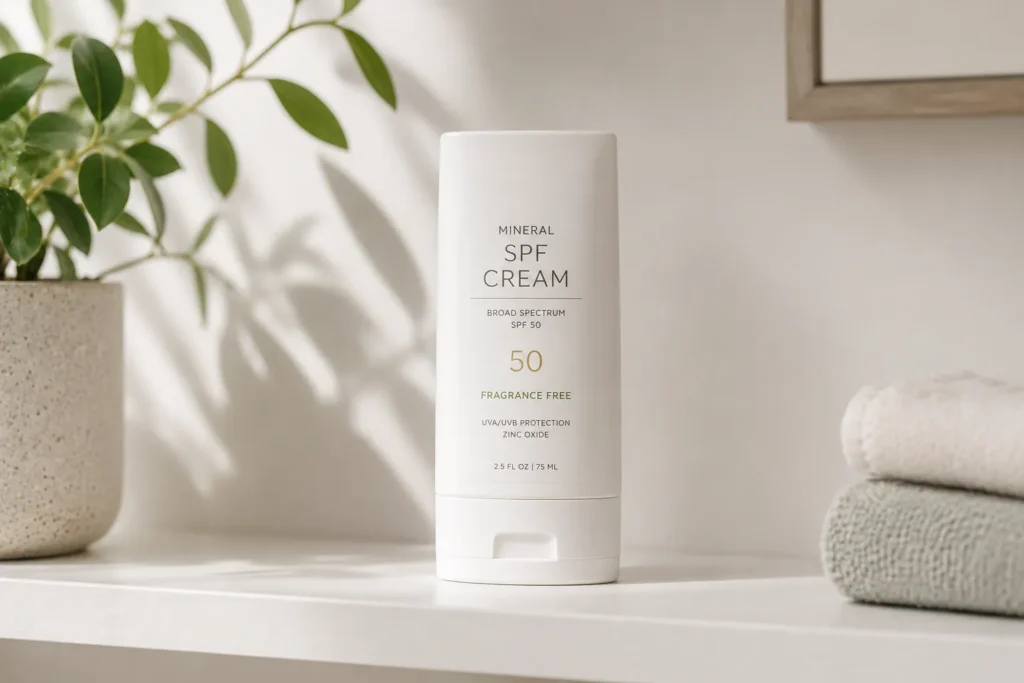
9. Choose Mineral SPF Cream if You Have Sensitive or Reactive Skin
If your skin tends to react to new products with redness, itching, or breakouts, the type of sunscreen filter you use matters more than the brand name. Mineral sunscreens, which use zinc oxide or titanium dioxide, tend to be gentler on sensitive and reactive skin compared to chemical filters.
Chemical sunscreens absorb into the skin to work, which can trigger irritation for some people, while mineral formulas sit on top of the skin and reflect UV rays instead. If you have rosacea, eczema, or a history of sunscreen reactions, look for mineral SPF cream labeled as fragrance free and formulated for sensitive skin. It might take a bit of trial and error to find your perfect match, but your skin will thank you for it.
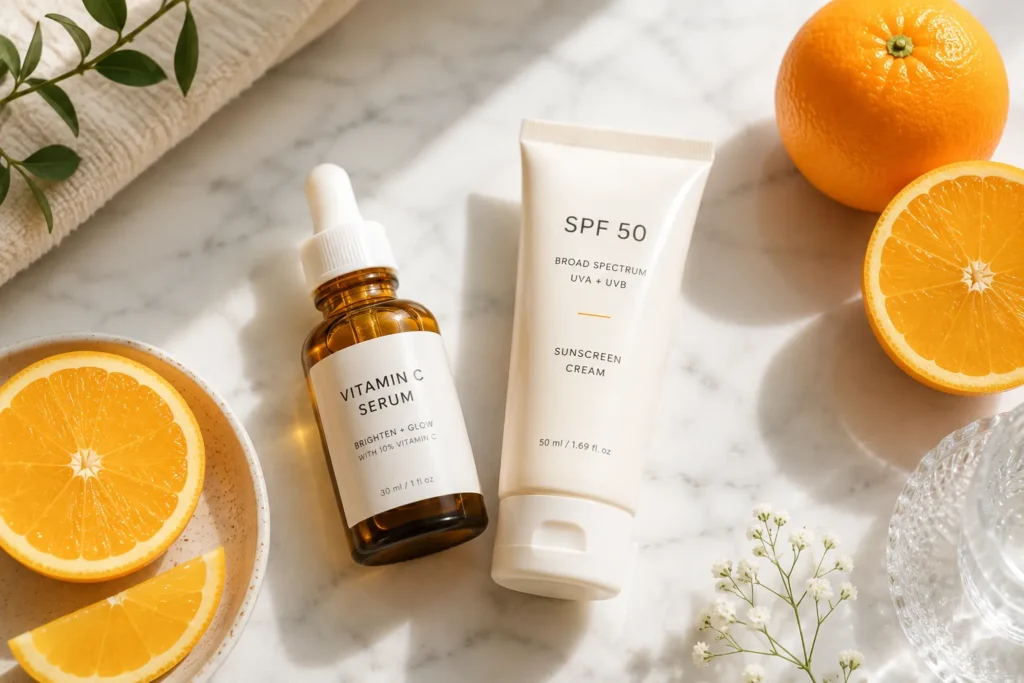
10. Pair SPF Cream With Antioxidants for Extra Protection
SPF cream blocks UV rays, but it cannot undo damage from pollution, blue light, and everyday environmental stress on its own. Pairing your sunscreen with an antioxidant serum, like vitamin C, gives your skin an extra layer of defense that SPF alone cannot provide.
Apply your antioxidant serum in the morning before moisturizer and SPF, since antioxidants work best when they are allowed to absorb first. Over time, this combination can help fade dark spots and even out skin tone, on top of the protection your SPF cream already provides. Think of it as teamwork between two products working toward the same glowing skin goal.
[INTERNAL LINK OPPORTUNITY: best vitamin C serums to pair with sunscreen]
Sunscreen does not have to feel complicated or like one more chore on your never ending list. Once you find the right SPF cream for your skin and build a few small habits around it, protecting your glow becomes second nature instead of a struggle. Your skin is worth this little bit of extra care, today and years down the road. Pick just one tip from this list and try it this week, whether that means finally reapplying at lunch or switching to a mineral formula. Save this article so you can come back to it whenever your routine needs a refresh.
6. Image Alt Text Suggestions
- Three SPF cream textures compared, gel lotion and cream on a bathroom counter
- Skincare routine order showing cleanser serum moisturizer and SPF cream
- How much SPF cream to apply for full sun protection
- SPF setting spray for reapplying sunscreen over makeup at work
- Applying SPF cream during winter for year round sun protection
- SPF cream bottle with expiration reminder for fresh sunscreen
- Applying SPF cream smoothly under makeup without pilling
- Applying stick sunscreen to commonly missed spots like the neck
- Mineral SPF cream for sensitive and reactive skin types
- Pairing vitamin C serum with SPF cream for extra skin protection
7. FAQ Section
Does SPF cream work the same as regular sunscreen? Yes, SPF cream is simply sunscreen in a cream texture, offering the same UV protection as a lotion or gel version. The main difference is how it feels and layers on your skin.
Can I use SPF cream instead of moisturizer? Some SPF creams include moisturizing ingredients, but they are not always enough on their own for dry skin. It is usually better to apply a separate moisturizer first, then follow with your SPF cream.
How much SPF cream should I use on my face? Most dermatologists recommend about a quarter teaspoon for the face and neck to get full protection. Using less than this means you are not getting the SPF level listed on the bottle.
Is SPF 30 enough, or do I need SPF 50 cream? SPF 30 blocks about 97 percent of UVB rays, while SPF 50 blocks about 98 percent, a small but real difference. For daily wear, SPF 30 is generally enough, but SPF 50 offers extra peace of mind for long days outside.
Why does my SPF cream leave a white cast? A white cast usually comes from mineral sunscreens that sit on top of the skin rather than absorbing in. Tinted mineral SPF creams or newer micronized formulas can help reduce this effect while still offering gentle protection.
Can SPF cream cause breakouts? It can, especially if the formula is too heavy or contains pore clogging ingredients for your skin type. Switching to a lightweight, oil free, or gel based SPF cream often solves this issue for acne-prone skin.


