

10 Physical Sunscreen Tips for Better Daily Skin Protection
If you have ever put on physical sunscreen and walked outside looking like a ghost, you are not alone. So many women reach for mineral sunscreen because it feels gentler on sensitive skin, only to fight with white cast, pilling, or a heavy feeling under makeup. It can be discouraging when a product that is supposed to protect your skin ends up making you avoid it altogether. The good news is that physical sunscreen works beautifully once you know a few simple tricks. This article walks you through 10 practical tips that will change the way you use physical sunscreen for good.
1. Warm the Product Between Your Fingers First
Physical sunscreen tends to be thicker than chemical sunscreen because it relies on minerals like zinc oxide and titanium dioxide to sit on top of the skin. Applying it straight from the tube often leads to streaks and that dreaded white cast.
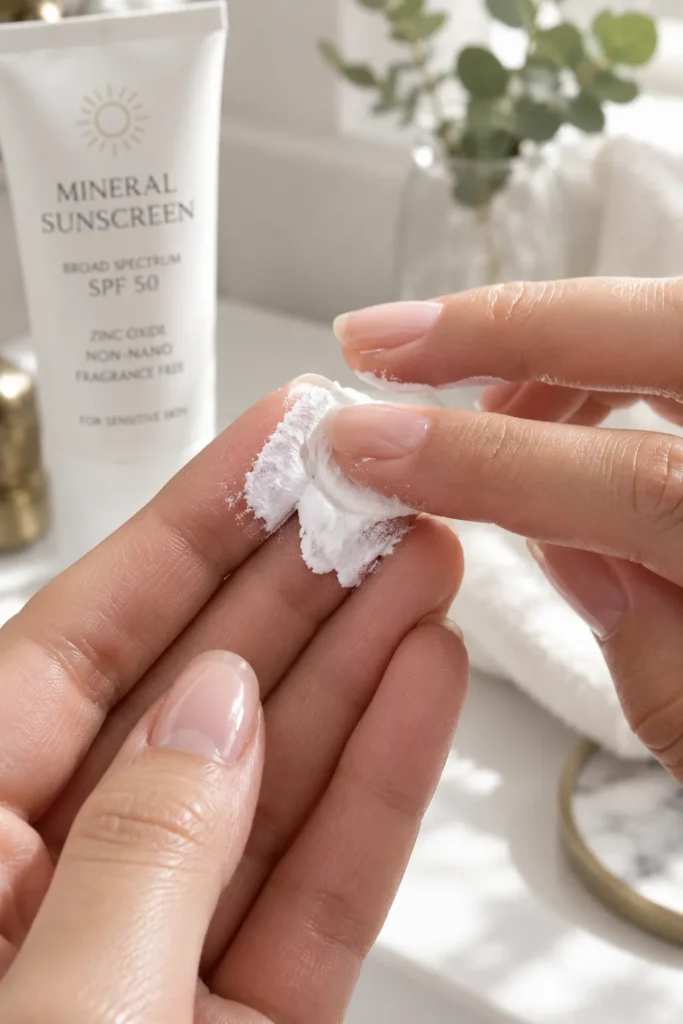
Before you apply, rub a small amount between your fingertips for a few seconds. This warms the formula and makes it easier to spread evenly across your face and neck. Think of it like warming up lotion before a massage. It blends in smoother and sinks into the skin instead of sitting on top in patches.
This tip works especially well for anyone with dry or textured skin, where cold, thick product tends to grab onto rough patches and look uneven.
[INTERNAL LINK OPPORTUNITY: how to layer skincare before sunscreen]
2. Use the Two Finger Rule for Full Coverage
One of the biggest mistakes people make with physical sunscreen is using too little. Since mineral sunscreen physically blocks UV rays, you need enough product on your skin for it to actually work.
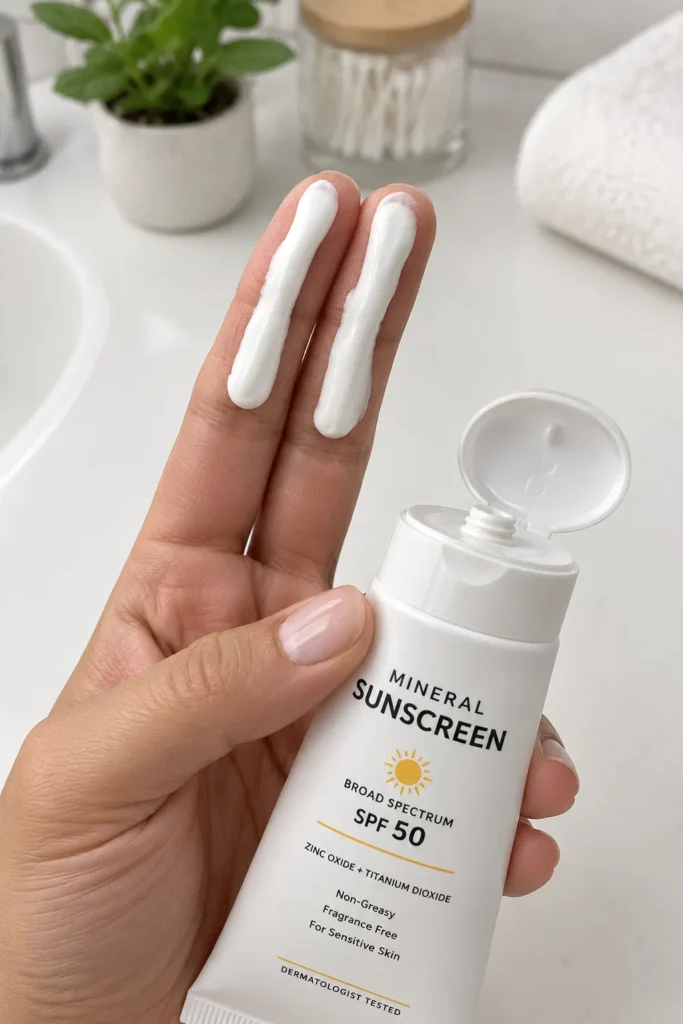
A simple way to measure is the two finger rule. Squeeze a line of sunscreen along your pointer finger and another along your middle finger, then apply that full amount to your face and neck. It might feel like a lot at first, but this is the amount most dermatologists recommend for real protection.
Skimping on product is a common mistake that leaves gaps in coverage. The fix is simple: measure once, then let your skin get used to the right amount so it becomes second nature.
3. Apply in Thin, Even Layers Instead of One Thick Coat
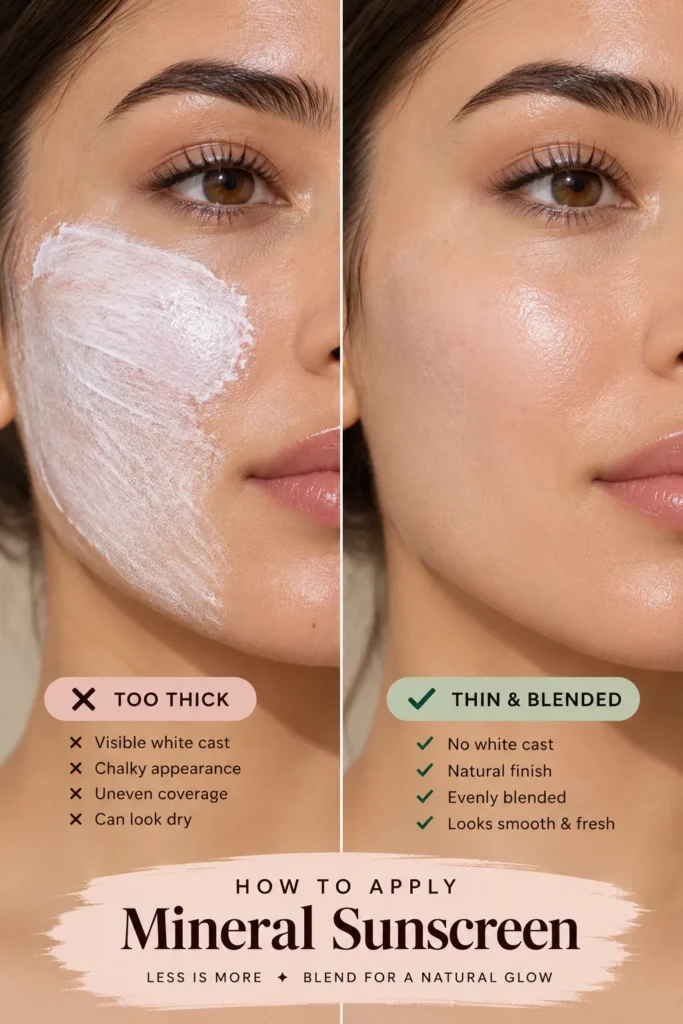
It is tempting to apply physical sunscreen in one thick swipe, especially when you are in a hurry. But this is exactly what causes that chalky, gray looking finish that so many people complain about.
Instead, apply your sunscreen in two thin layers rather than one thick one. Pat the first layer in gently, wait about a minute, then add a second thin layer over any spots that need more coverage, like your nose or forehead. This method spreads the mineral particles more evenly across your skin, which actually improves protection while reducing that flashback effect in photos.
This tip is especially helpful for anyone applying sunscreen before makeup, since thin layers blend more naturally under foundation.
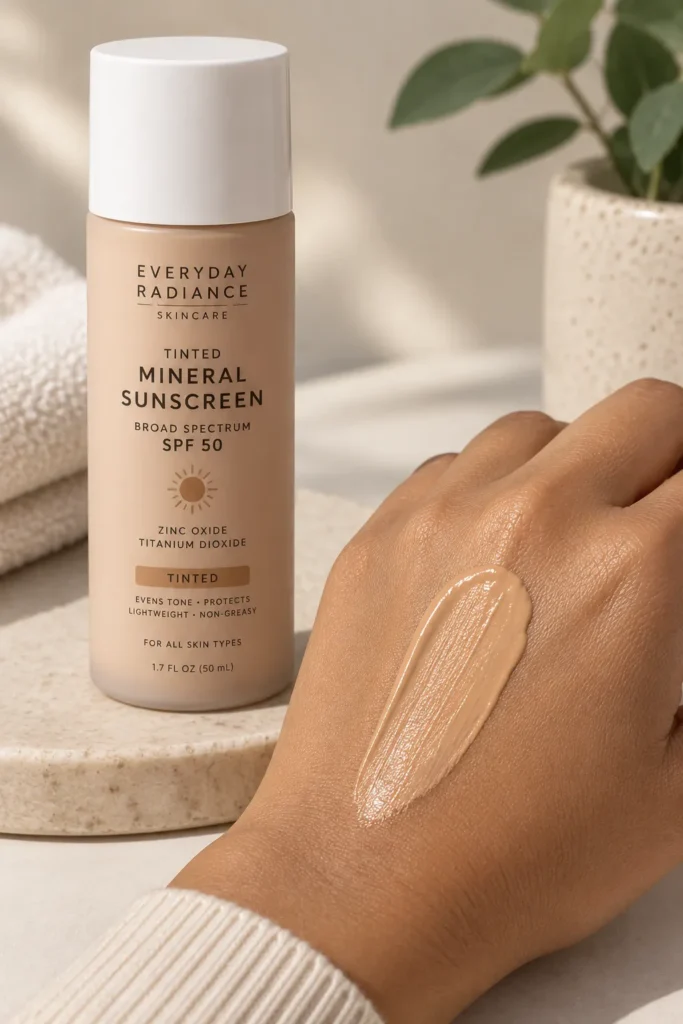
4. Choose a Tinted Formula if White Cast Bothers You
If you have tried physical sunscreen before and hated the pale finish, a tinted mineral sunscreen might be the answer you have been missing. Tinted formulas contain iron oxides that add a subtle color to match your skin tone while still giving you the same mineral protection.
This is a great option for anyone with medium to deep skin tones, since traditional physical sunscreen can sometimes leave a purple or gray tint on darker complexions. A tinted version blends in smoothly and can even replace a light foundation on busy mornings.
Many people do not realize that iron oxides in tinted sunscreens also help protect against blue light and visible light, something plain mineral formulas do not always cover.
[INTERNAL LINK OPPORTUNITY: best tinted sunscreens for sensitive skin]
5. Let It Set for a Few Minutes Before Touching Your Face
Physical sunscreen needs a short window to settle onto the skin’s surface before you add anything else on top, like makeup or a setting spray. Rushing this step is one of the most common mistakes people make.
After applying, give it about two to three minutes before moving on to the next step in your routine. This lets the mineral particles form a more even, stable layer on your skin instead of getting smudged or wiped away by other products.
This small pause makes a noticeable difference, especially if you plan to apply powder foundation or concealer right after, since it prevents the sunscreen from streaking or balling up under pressure.

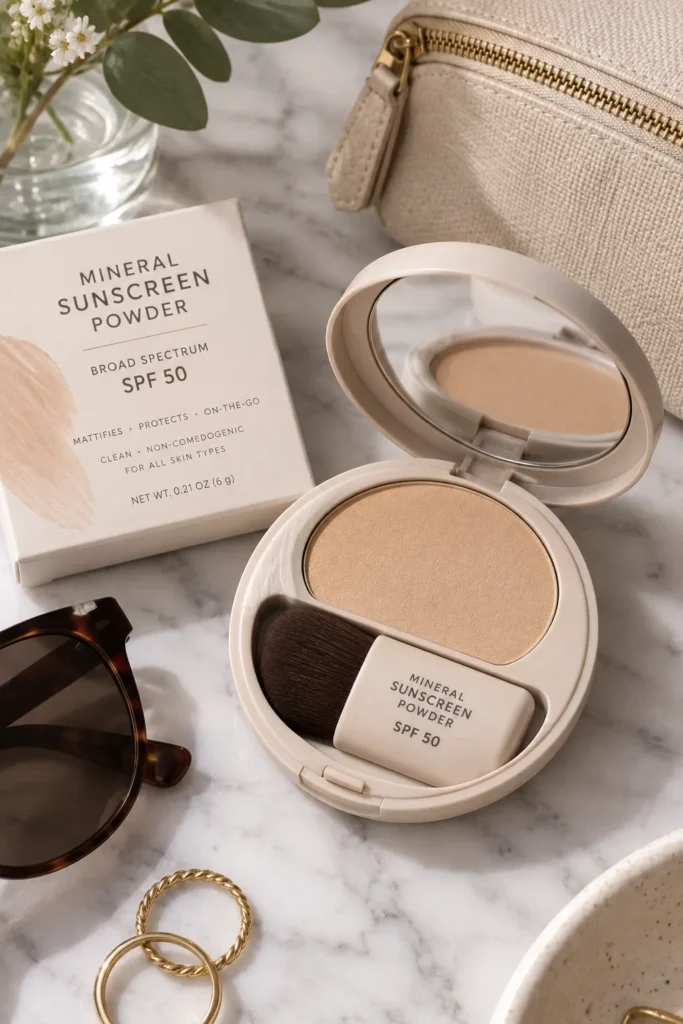
6. Reapply Using a Sunscreen Powder or Stick Over Makeup
One of the biggest struggles with physical sunscreen is reapplying it midday without ruining your makeup. This is where a mineral sunscreen powder or stick becomes a real game changer.
These products let you dust or swipe fresh SPF over your makeup without smudging anything underneath. Keep one in your bag or desk drawer and use it around midday, especially if you spend time outside during your lunch break or commute.
This tip is a save worthy one, since most people do not think about reapplication until they are already dealing with sun exposure. Having a powder or stick on hand makes it actually realistic to keep your skin protected throughout the day, not just in the morning.
7. Pay Attention to Often Missed Spots
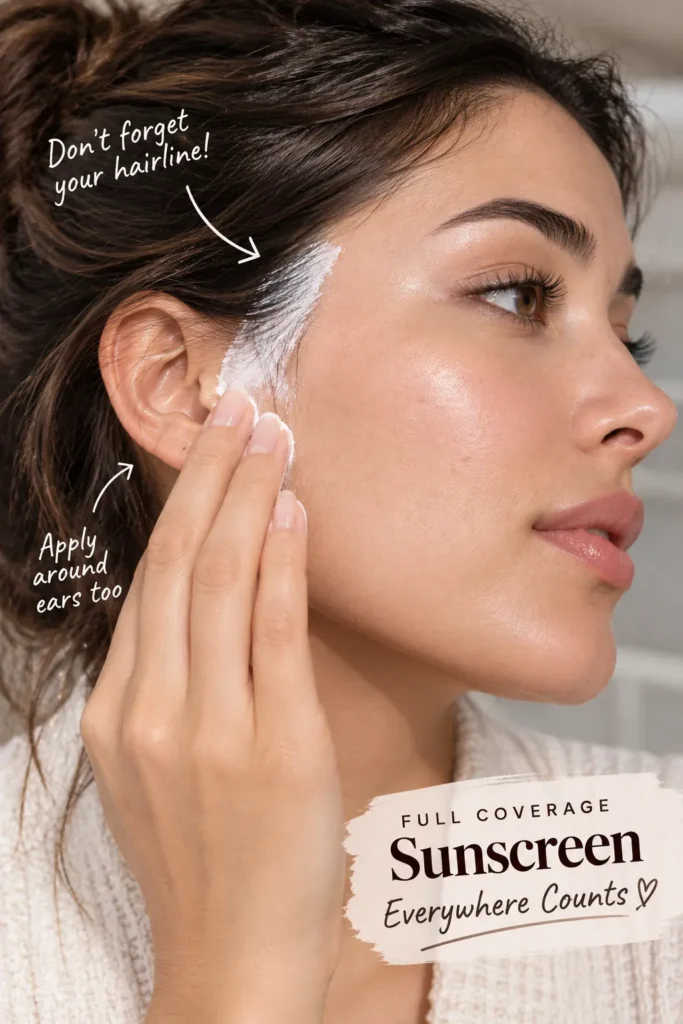
It is easy to focus only on your face and forget the areas around it, but UV damage does not stop at your jawline. Ears, the back of the neck, and the hairline are some of the most commonly missed spots when applying sunscreen.
Take a few extra seconds to pat sunscreen along your ears, the nape of your neck, and just along your part line if you wear your hair pulled back. These areas get plenty of sun exposure during daily walks or time outside, yet they are almost always skipped.
If you wear glasses often, do not forget the bridge of your nose and the skin just under your eyes, since glasses can create shadows that make sun damage there less noticeable until it shows up later.
8. Store It Properly to Keep the Formula Effective
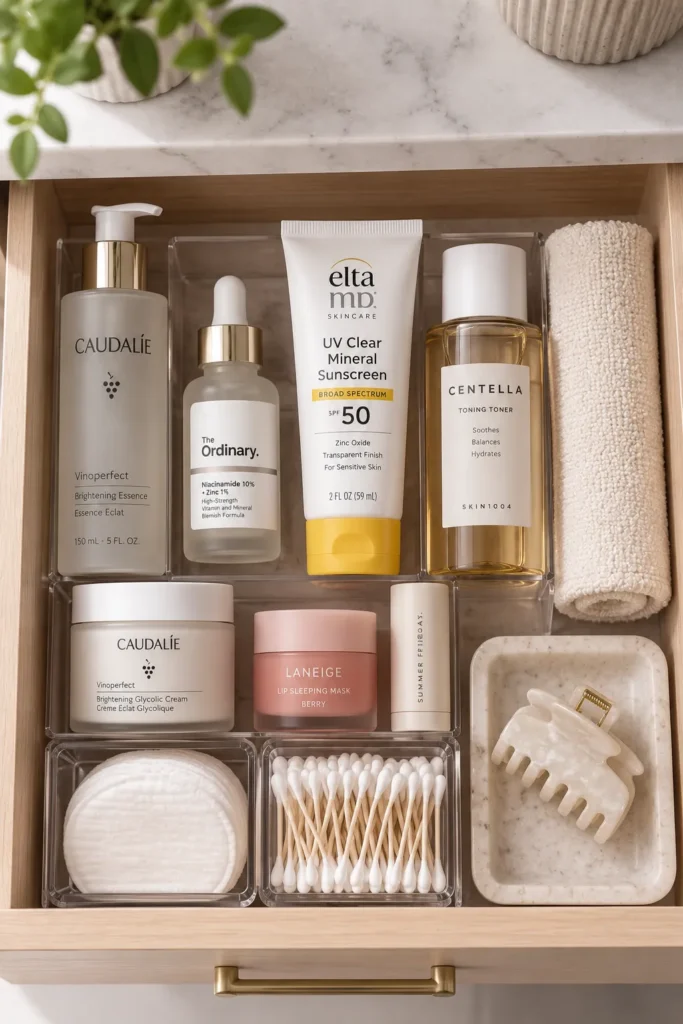
Physical sunscreen can separate or become less effective if it is stored somewhere too hot, like a car dashboard or a sunny windowsill. Heat can break down the mineral compounds that make the sunscreen work.
Keep your sunscreen in a cool, dry spot, like a bathroom drawer away from direct sunlight. If you carry a travel size version in your bag during summer, try to keep it in an inside pocket rather than somewhere that heats up quickly, like a car cupholder.
This is a small detail most people never think about, but it directly affects how well your sunscreen protects you. A separated or overheated formula will not spread evenly and may not offer full protection anymore.
[INTERNAL LINK OPPORTUNITY: how to store your skincare products correctly]
9. Layer It Correctly With Your Other Skincare
Physical sunscreen should always be the very last step in your morning routine, applied after moisturizer but before makeup. Applying it too early or mixing it in with other products can dilute its protective barrier.
Give your moisturizer a minute or two to fully absorb before adding sunscreen on top. If you use a facial oil, apply that before your moisturizer, not after your sunscreen, since layering an oil on top can break down the mineral barrier and reduce how well it protects your skin.
This order matters more than people realize. Getting it right the first time means you are not accidentally weakening the very product meant to protect you.
10. Check the Expiration Date Every Season
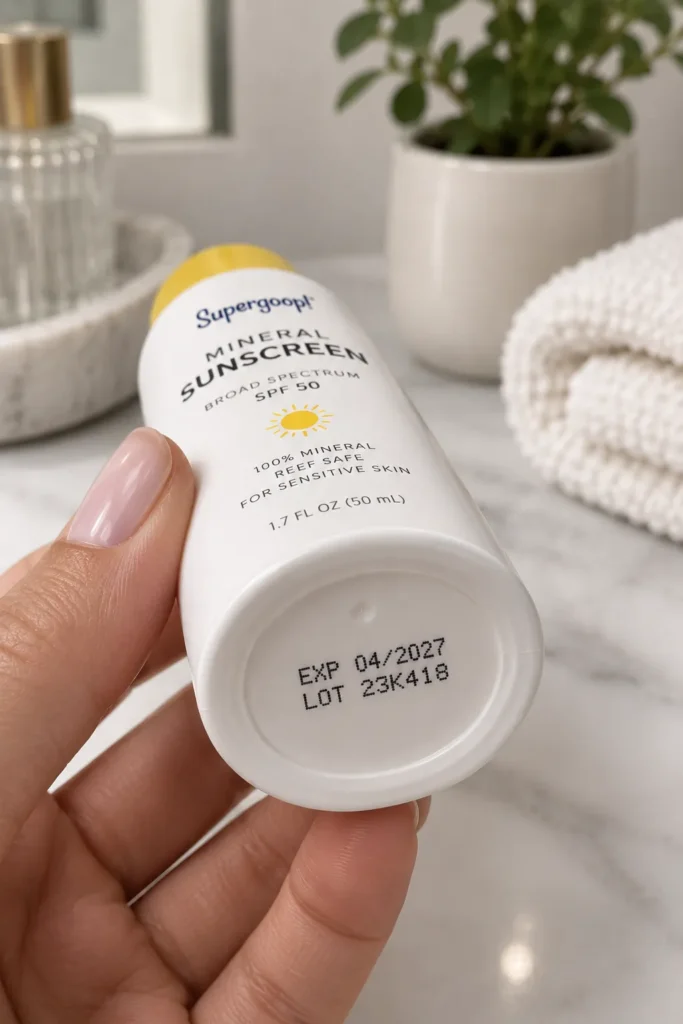
Sunscreen loses its effectiveness over time, and physical sunscreen is no exception. Most formulas are good for about a year after opening, but many people keep using an old tube well past that point without realizing it.
Make it a habit to check the expiration date at the start of every new season. If the texture has changed, if it separates and will not mix back together, or if it smells different than when you bought it, it is time to replace it.
This is one of those ideas that is easy to forget but worth saving for later. Set a reminder on your phone every three months to glance at your sunscreen bottle, especially if you do not use it daily during colder months.
Final Thoughts
Physical sunscreen does not have to feel like a struggle every morning. Once you know how to warm it, layer it, and apply the right amount, it becomes one of the easiest and most protective steps in your routine. Your skin will thank you for the consistency, even on the days you do not see the sun at all. Try just one or two of these tips this week and notice the difference in how your sunscreen looks and feels. Save this article so you always have these tips on hand when you need a refresher.
Image Alt Text Suggestions
- Woman applying physical sunscreen in front of a bathroom mirror during her morning routine
- Close up of fingertips warming mineral sunscreen before applying it to the face
- Hand measuring two finger rule amount of sunscreen for full face coverage
- Comparison of thick sunscreen layer versus thin blended sunscreen layer on skin
- Tinted mineral sunscreen bottle with a skin tone matching swatch
- Woman waiting for sunscreen to set before applying makeup
- Mineral sunscreen powder compact with brush next to a makeup bag
- Close up of sunscreen being applied along the ear and hairline
- Bathroom drawer with skincare and sunscreen bottles stored properly
- Flatlay of skincare products in correct layering order ending with sunscreen
- Hand checking the expiration date on a sunscreen bottle
FAQ Section
Is physical sunscreen better than chemical sunscreen for sensitive skin? Physical sunscreen is often gentler on sensitive or reactive skin because it sits on top of the skin instead of being absorbed. It is a good starting point if chemical sunscreens have caused irritation or breakouts in the past.
Why does my physical sunscreen leave a white cast? White cast usually happens when too much product is applied at once or it is not blended in well. Warming the formula first and applying in thin layers, as covered in tip three, helps reduce this significantly.
Can I wear physical sunscreen under makeup? Yes, physical sunscreen works well under makeup as long as you let it set for a couple of minutes first. A tinted formula can also double as light coverage, cutting down on extra steps in your routine.
How often should I reapply physical sunscreen during the day? Most dermatologists recommend reapplying every two hours when you are outdoors, and at least once around midday if you are indoors near windows. A mineral sunscreen powder or stick makes this much easier over makeup.
Does physical sunscreen expire faster than chemical sunscreen? Both types generally last about a year after opening, but physical sunscreen can separate or change texture if stored somewhere too warm. Checking it each season, as mentioned in tip ten, helps you catch this before it becomes a problem.
Is physical sunscreen safe for daily use? Yes, physical sunscreen is considered safe for daily use and is often recommended for people who want a gentler option they can wear every day, including under makeup or on its own.


