

12 Mineral Sunscreen Benefits Your Skin Will Love Today
If you have ever slathered on sunscreen only to end up with a red, stinging face an hour later, you know the frustration. Some days it feels like the very product meant to protect your skin is the thing irritating it the most. That is usually a sign your skin is asking for a gentler option. Mineral sunscreen has quietly become the go to choice for people who want real sun protection without the burning, breakouts, or white cast horror stories of the past. In this article, you will find twelve real reasons mineral sunscreen deserves a spot in your daily routine, plus practical tips for getting the most out of it.
1. It Sits on Top of Your Skin Instead of Soaking In
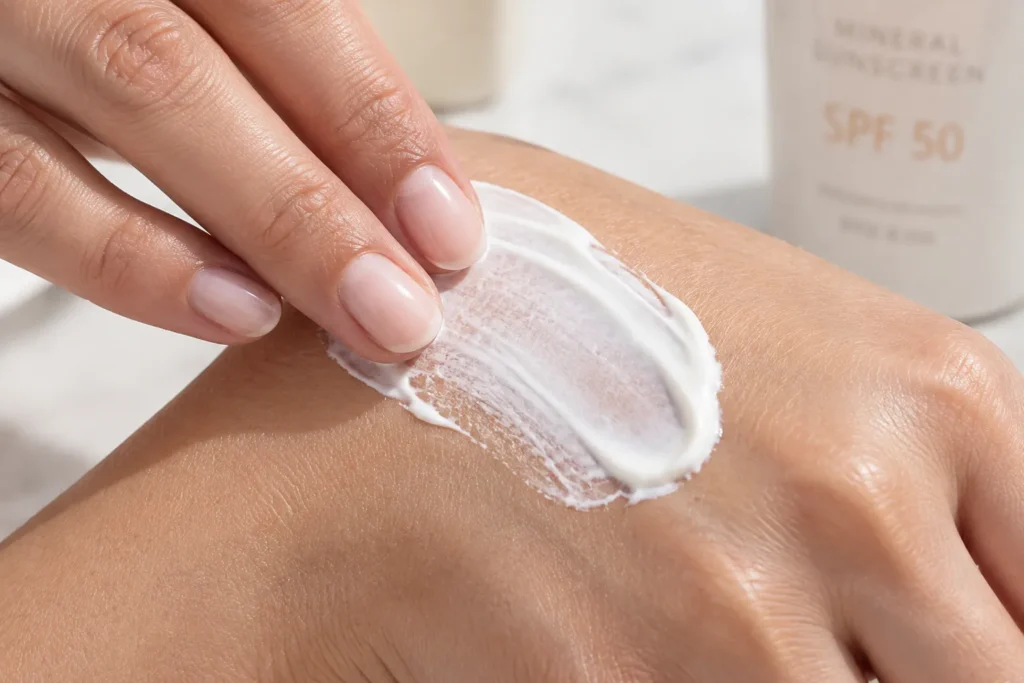
Mineral sunscreen works differently than chemical sunscreen. It uses zinc oxide or titanium dioxide to create a physical layer that reflects and scatters UV rays before they reach your skin. Chemical sunscreens, on the other hand, absorb into the skin and convert UV rays into heat.
For anyone with reactive or easily irritated skin, this difference matters. A layer sitting on the surface means less chance of the active ingredients triggering a reaction underneath. This is especially useful for people who deal with rosacea or eczema, where anything that soaks in too fast can cause flare ups within minutes.
2. It Starts Working the Moment You Apply It
One of the most practical mineral sunscreen benefits is that you do not have to wait around for it to activate. Chemical sunscreens often need fifteen to twenty minutes to start working. Mineral sunscreen begins reflecting UV rays as soon as it is on your skin.
This is a small detail that makes a big difference on busy mornings. If you are running out the door for school drop off or a quick walk, you are still protected right away. It also means fewer accidental sunburns on days when plans change last minute, like a spontaneous trip to the park.
3. It Is Gentler on Sensitive and Acne-Prone Skin
A common mistake people make is assuming all sunscreens will irritate sensitive or acne-prone skin the same way. That is not true. Many chemical sunscreens contain ingredients like oxybenzone or avobenzone that can clog pores or trigger breakouts in reactive skin. Mineral sunscreen, especially zinc oxide formulas, actually has mild anti-inflammatory properties.
If you have struggled to find a sunscreen that does not leave your skin blotchy or bumpy by the afternoon, this could be the fix. Zinc oxide is often recommended by dermatologists for exactly this reason, since it calms rather than aggravates already stressed skin.
[INTERNAL LINK OPPORTUNITY: best sunscreen for acne prone skin]
4. It Offers True Broad Spectrum Protection
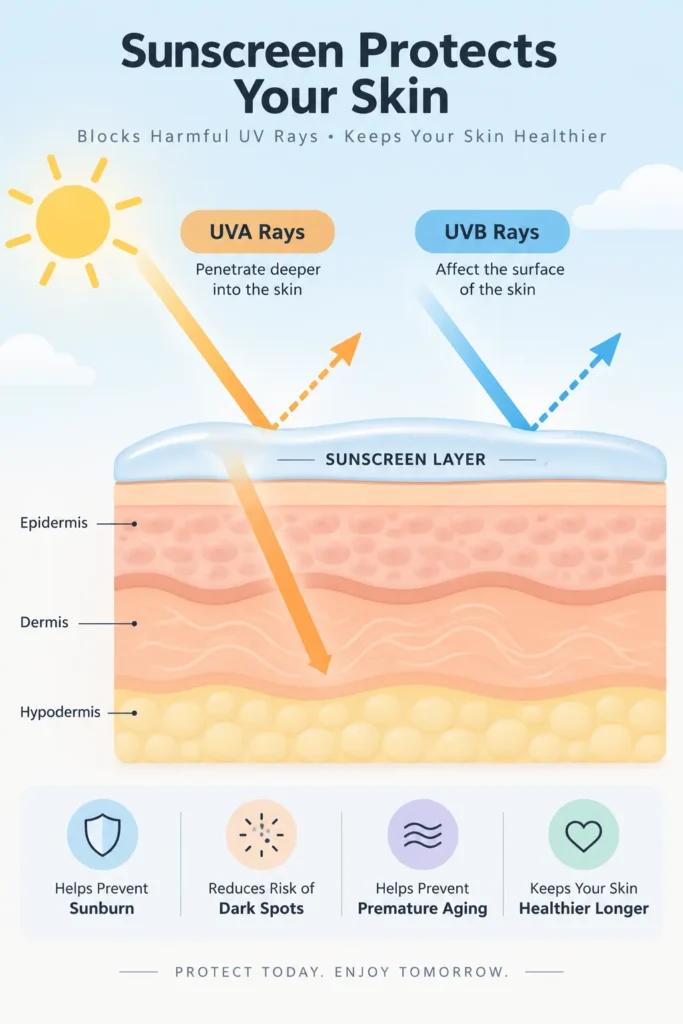
Mineral sunscreen naturally blocks both UVA and UVB rays without needing a mix of several chemical filters to get full coverage. UVA rays are the ones responsible for premature aging and deep skin damage, while UVB rays cause the burn you notice right away. Zinc oxide in particular is known for wide, stable coverage across both ranges.
This matters because not every chemical sunscreen protects evenly across the UV spectrum, especially in the UVA range. If long term skin health and anti-aging are part of your goals, broad spectrum protection is not optional. It is the whole point.
5. It Holds Up Better in Heat and Sunlight
Chemical sunscreen filters can start to break down after long sun exposure, especially in intense heat. Mineral sunscreen is more physically stable, since it works by reflecting light rather than undergoing a chemical reaction. This means it tends to hold its protective strength longer during a full day outdoors.
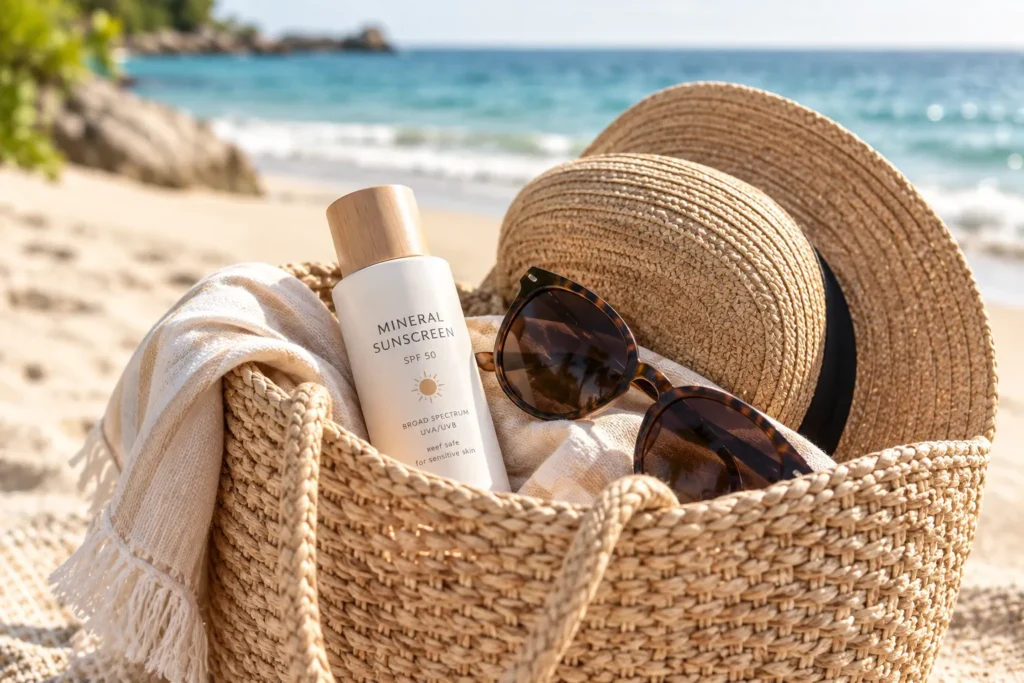
This is a good option for beach days, hiking, or outdoor work where you are in direct sun for hours. You still need to reapply every two hours as usual, but the formula itself is less likely to degrade quickly in high heat.
6. It Is a Safer Pick During Pregnancy
Many dermatologists recommend mineral sunscreen specifically for pregnant and breastfeeding women. Since it sits on the surface of the skin rather than being absorbed into the bloodstream, there is less concern about ingredients reaching the baby through skin contact.
If you are pregnant and unsure what to switch to, this is one of the simplest changes you can make in your routine. It removes one more thing to worry about while your skin is already going through hormonal changes that can make it more reactive than usual.

7. It Works Well for Babies and Young Kids
Most pediatricians recommend mineral sunscreen for babies over six months old, mainly because their skin is thinner and more sensitive to chemical absorption. Zinc oxide is considered one of the safest options for young skin, and many baby specific sunscreens are built entirely around this ingredient.
If you have little ones who spend afternoons at the pool or playground, keeping a mineral formula on hand saves you from having to double check ingredient lists every time you buy a new bottle. Just remember to reapply often since kids tend to rub, splash, and sweat it off faster than adults do.

8. It Does Not Sting Your Eyes as Easily
Anyone who has had sunscreen drip into their eyes on a hot day knows how miserable that sting can be. Mineral sunscreen tends to be far less irritating to the eyes compared to chemical formulas, which often contain alcohol based ingredients that cause that burning sensation.
This makes it a better option for workouts, runs, or any activity where sweat is likely to carry sunscreen down toward your eyes. It is a small comfort detail, but if you have ever had to stop a run halfway through because your eyes would not stop watering, you already know why this matters.

9. It Helps Prevent Dark Spots and Uneven Tone
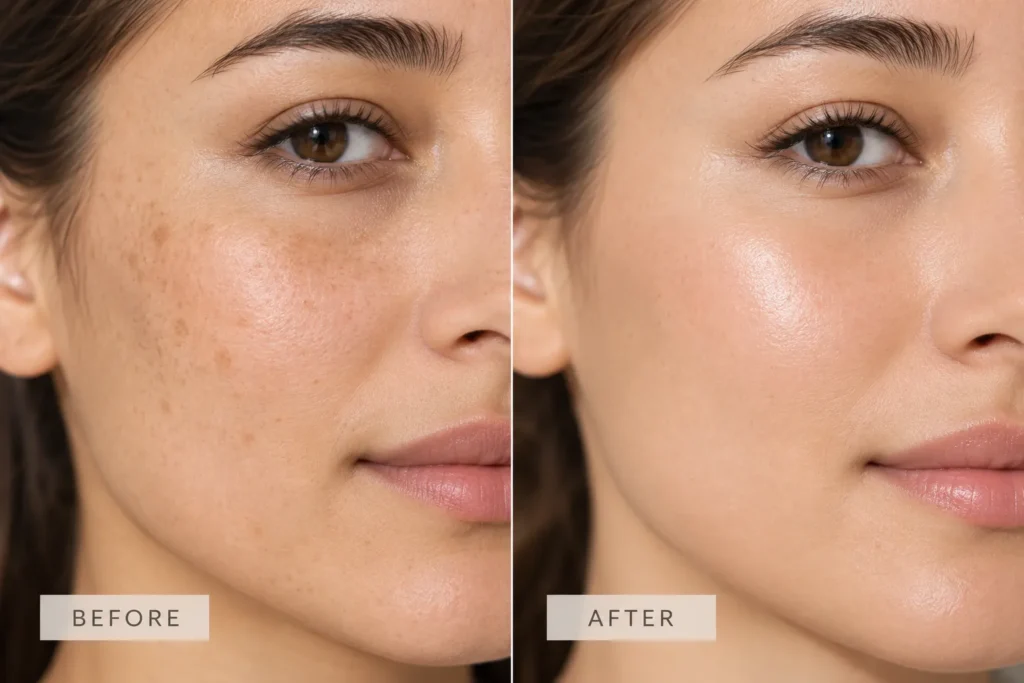
UV exposure is one of the biggest triggers for hyperpigmentation, especially for people already dealing with melasma or post acne marks. Consistent mineral sunscreen use blocks the UV rays that worsen these dark patches, which makes it a key step in any routine focused on evening out skin tone.
A lot of people invest in brightening serums and spot treatments but skip consistent sun protection, which quietly undoes all that progress. If dark spots are a concern, mineral sunscreen should be treated as a non negotiable step every single morning, not just something you reach for on beach days.
[INTERNAL LINK OPPORTUNITY: how to fade dark spots naturally]
10. It Is Considered More Reef and Ocean Friendly
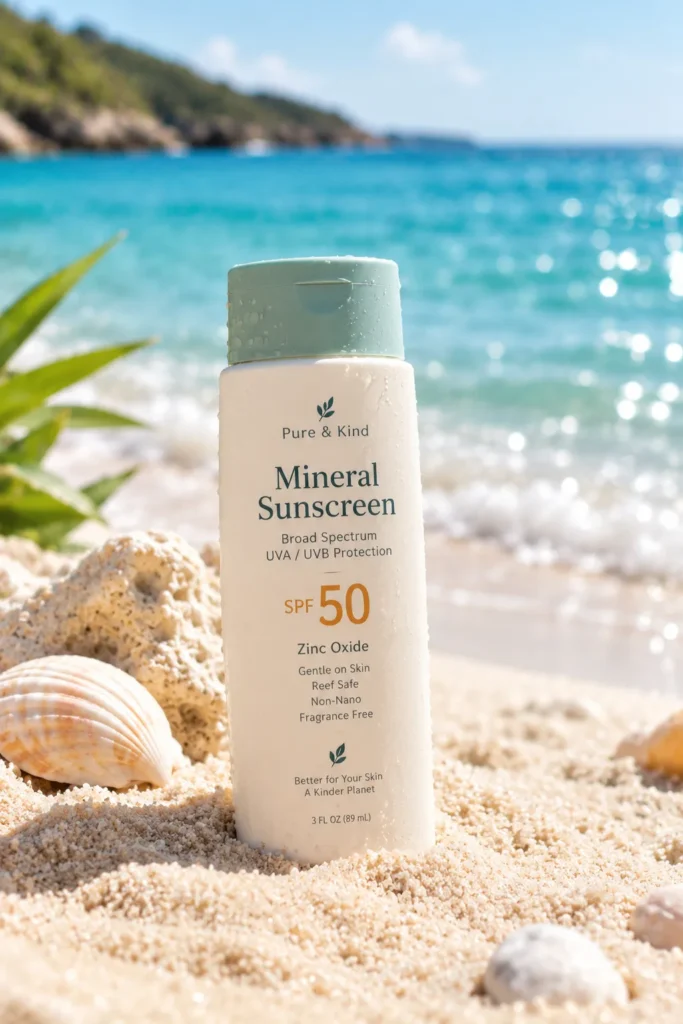
Many popular chemical sunscreen ingredients, like oxybenzone and octinoxate, have been linked to coral reef damage and have been banned in certain coastal areas like parts of Hawaii and Key West. Mineral sunscreen, particularly non nano zinc oxide formulas, is generally considered a gentler option for marine environments.
If you love beach vacations or snorkeling trips, switching to a reef friendly mineral sunscreen is a simple way to enjoy the ocean without contributing to the damage happening to coral reefs. Look for labels that specifically say reef safe or reef friendly to confirm.
11. It Layers Well Under Makeup Without Pilling
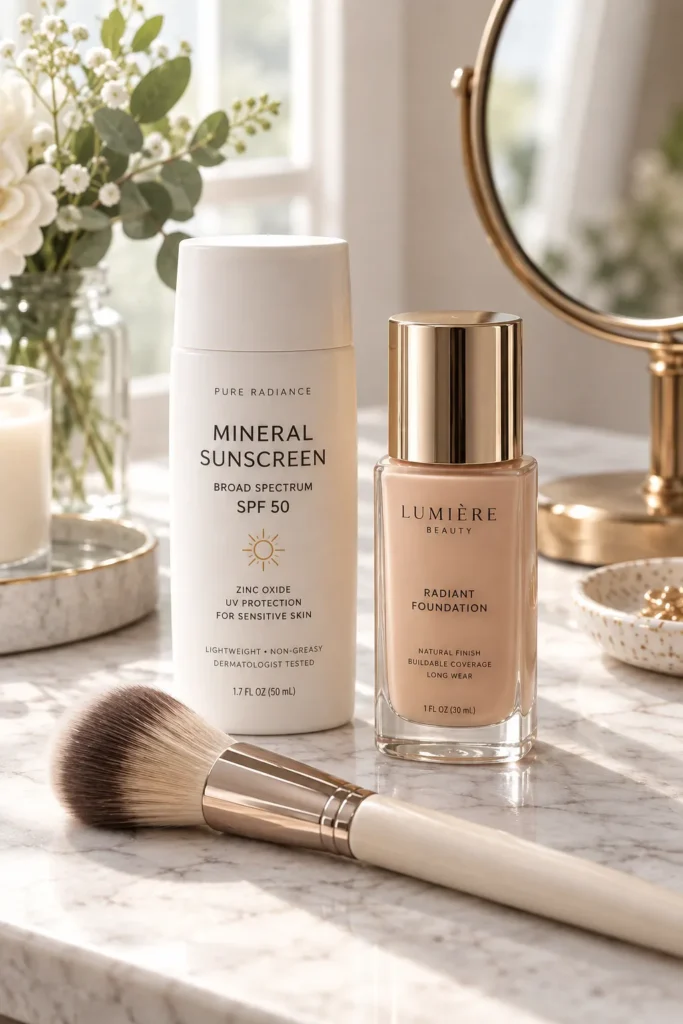
A common frustration with sunscreen is the pilling mess that happens when it is layered under foundation or tinted moisturizer. Many modern mineral sunscreen formulas have improved texture that blends smoothly and creates a soft base for makeup instead of rolling up on the skin.
The trick is giving it a full two to three minutes to settle before applying anything on top. Patting it in gently with your fingers, rather than rubbing, also helps it sit better under makeup. Once you find a formula that works with your skin type, this becomes a quick, no fuss step in your morning routine.
12. It Is a Long Term Investment in Healthy, Youthful Skin
The biggest mineral sunscreen benefit is simply the long game. Daily sun protection is still the single most effective anti-aging step you can take, more impactful than most expensive serums or treatments. Consistent use helps prevent fine lines, sagging, and sun damage that builds up quietly over years of unprotected exposure.
It is easy to skip sunscreen on cloudy days or when you are staying indoors most of the day, but UV rays still reach your skin through windows and cloud cover. Making mineral sunscreen a daily habit, not just a summer habit, is what actually protects your skin over time.
Final Thoughts
Switching to mineral sunscreen is not just a trend, it is a genuinely gentler and more reliable way to protect your skin every day. From calming sensitive skin to holding up in the heat, these benefits add up to a habit worth keeping. You do not need a complicated routine to see the difference. Just one consistent step each morning can protect the skin you will be living in for decades. Save this list and try switching to a mineral formula this week if you have not already.
6. Image Alt Text Suggestions
- Hand applying white mineral sunscreen lotion on the back of the other hand
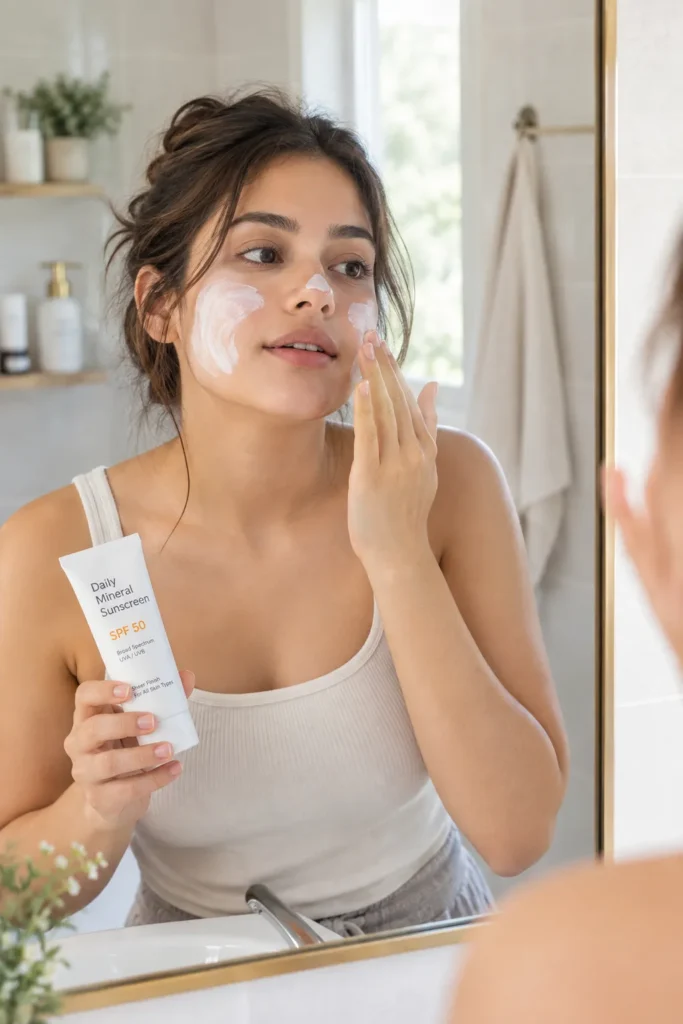
- Woman applying sunscreen in a bathroom mirror before leaving the house
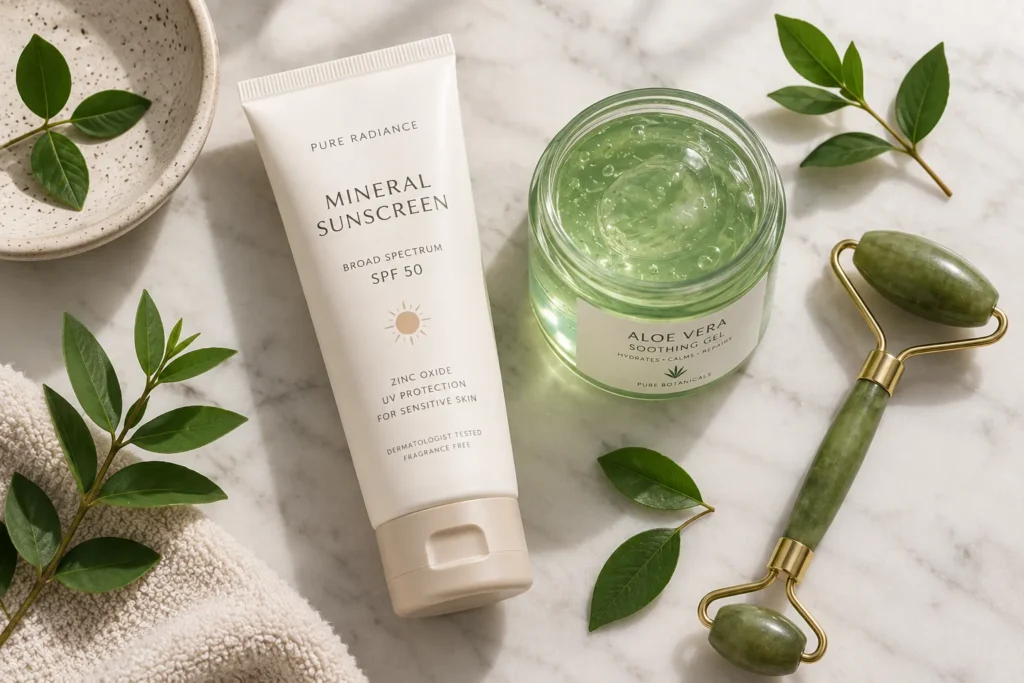
- Flat lay of mineral sunscreen tube with soothing skin care products
- Diagram showing UVA and UVB rays being blocked by a sunscreen layer
- Beach bag with mineral sunscreen, sunglasses, and a wide brim hat
- Pregnant woman applying sunscreen to her shoulders outdoors
- Parent applying sunscreen to a toddler at a park
- Woman jogging on a sunny outdoor trail
- Before and after comparison of skin tone with consistent sunscreen use
- Mineral sunscreen bottle on sand near clear ocean water
- Makeup vanity with mineral sunscreen next to foundation and makeup brush
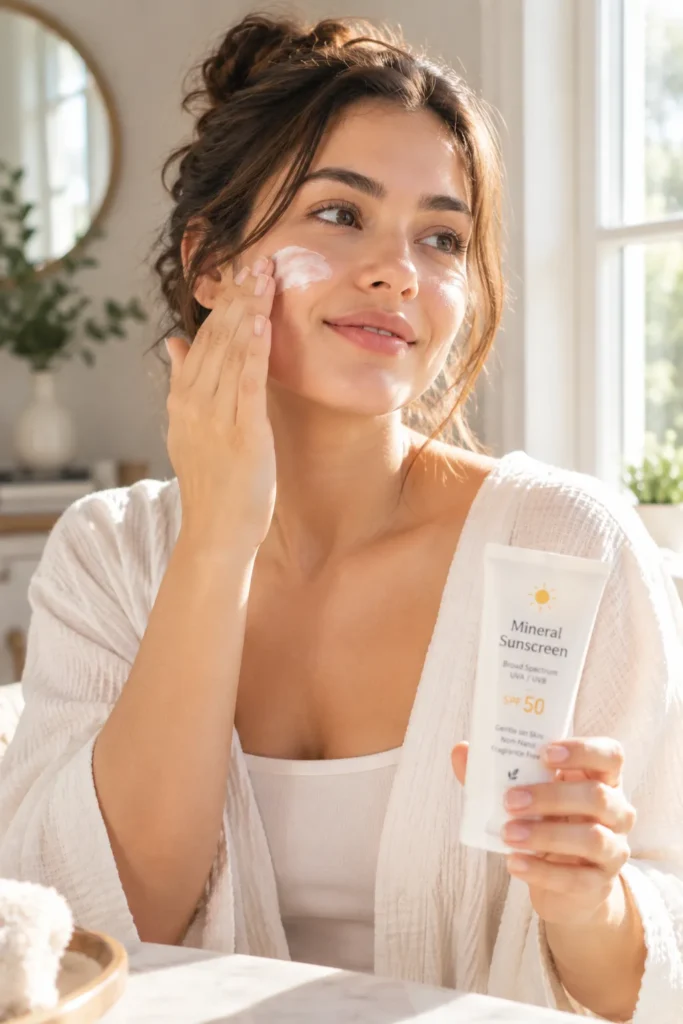
- Woman applying sunscreen by a sunny window as part of her morning routine
7. FAQ Section
Is mineral sunscreen better than chemical sunscreen? It depends on your skin type, but mineral sunscreen is generally considered gentler and better for sensitive, acne-prone, or reactive skin since it sits on the surface instead of absorbing in.
Does mineral sunscreen leave a white cast? Older formulas often did, but many newer mineral sunscreens use finer particle sizes that blend in much better, especially tinted versions made for different skin tones.
Can I wear mineral sunscreen every day, even indoors? Yes. UV rays pass through windows, so daily use protects your skin from cumulative sun damage even if you are mostly indoors.
How often should I reapply mineral sunscreen? Every two hours when outdoors, and immediately after swimming or heavy sweating, just like with chemical sunscreen.
Is mineral sunscreen safe for babies? Most pediatricians recommend mineral sunscreen with zinc oxide for babies over six months old, since it is less likely to be absorbed into the skin.
Why does mineral sunscreen work better for acne-prone skin? Zinc oxide has mild anti-inflammatory properties and is less likely to clog pores compared to some chemical filters, which makes it a calmer option for breakout prone skin.


