

11 Beach Kids Ideas for a Perfect Family Beach Day
Packing up the car, chasing sunscreen-covered toddlers, and wondering if anyone remembered the snacks. If that sounds like your version of a beach day, you are not alone. A trip that is supposed to feel relaxing can turn into a juggling act before you even reach the sand.
The good news is that a few small changes can make a huge difference. You do not need fancy gear or a Pinterest-perfect setup to have a great time. You just need a plan that actually works with kids in the mix.
Here are 11 beach kids ideas that will help your family have more fun and a lot less chaos, from the moment you arrive to the drive home.
1. Set Up a Shade Station Before Anything Else
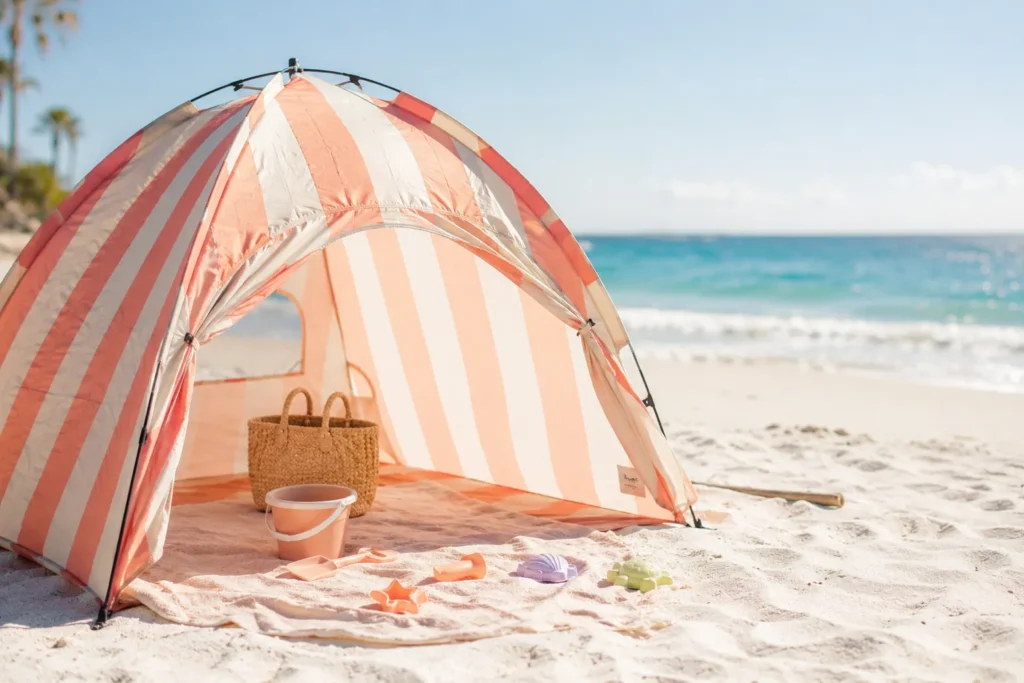
Before towels come out or shoes come off, get shade set up first. Kids overheat fast, and a five minute head start on shade saves you from a meltdown an hour later.
A pop up beach tent or a large umbrella anchored deep in the sand works better than a beach umbrella alone, especially with younger kids who need a spot to nap or cool down. Bring a lightweight blanket to lay inside the shaded area so little ones are not sitting directly on hot sand.
The common mistake here is setting up shade only for the adults. Kids need their own cool down zone within reach of their toys, not across the beach from where they are playing.
2. Pack a Reapply-Friendly Sunscreen Routine
Sunscreen only works if it actually gets reapplied, and that is where most families fall short. A morning application is not enough for a full beach day.
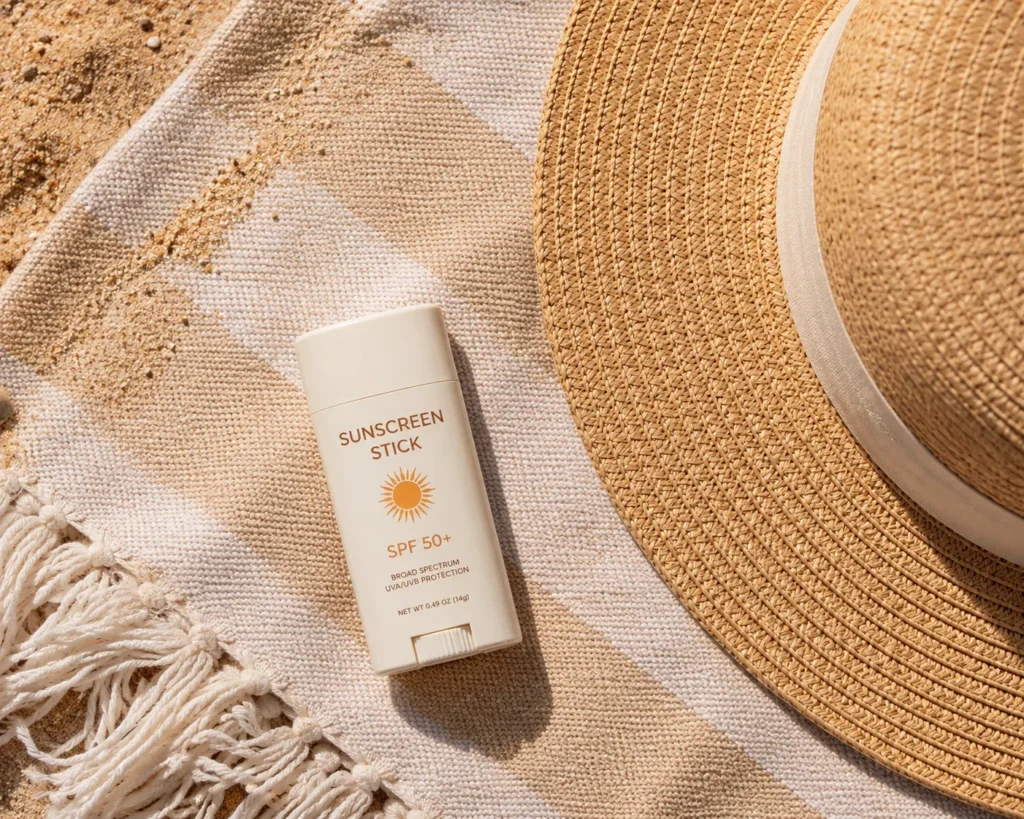
Choose a broad spectrum, water resistant sunscreen and set a phone timer to reapply every two hours, or right after your child comes out of the water. Stick sunscreens are worth packing because they make reapplying on wiggly kids much easier than fighting with a lotion bottle covered in sand.
For babies under six months, skip sunscreen on exposed skin and rely on shade, a hat, and lightweight clothing instead. [INTERNAL LINK OPPORTUNITY: sunscreen tips for sensitive skin]
3. Bring a Simple Sand Toy Kit, Not a Full Toy Box
More toys does not mean more fun. A few well chosen items keep kids busy far longer than a bucket overflowing with random plastic pieces that get lost in the sand within minutes.
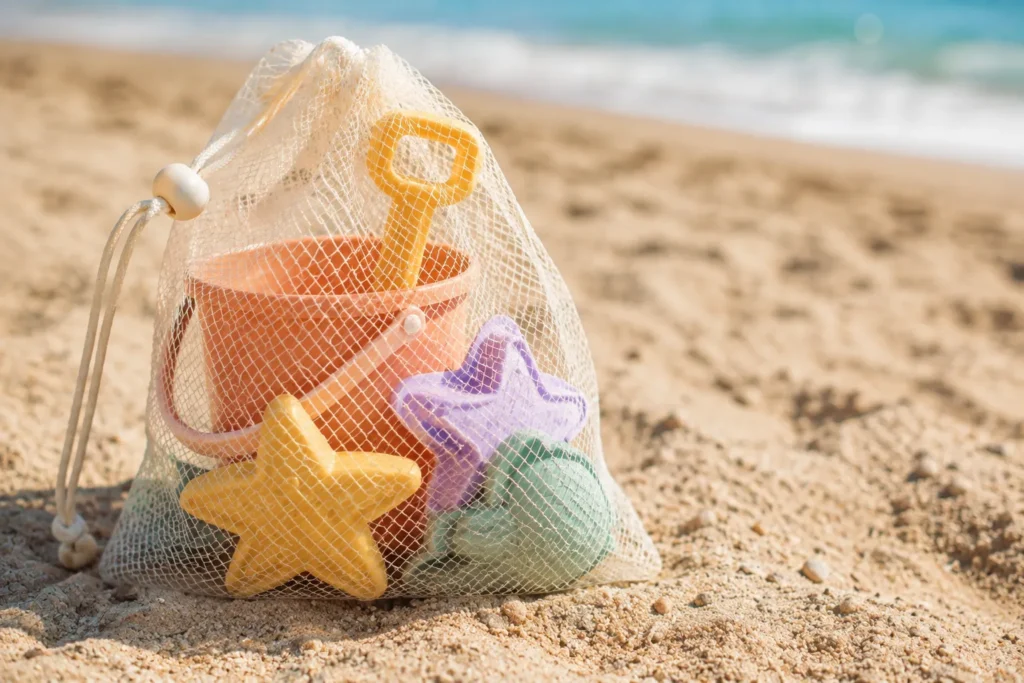
Pack a small shovel, one or two molds, a sturdy bucket, and a mesh bag to rinse everything before you leave. Mesh bags let sand fall through so you are not hauling home a bucket of gritty water.
This setup works especially well for toddlers and preschoolers, who tend to focus longer on fewer items than older kids who want variety.
4. Try a Beach Scavenger Hunt for Older Kids
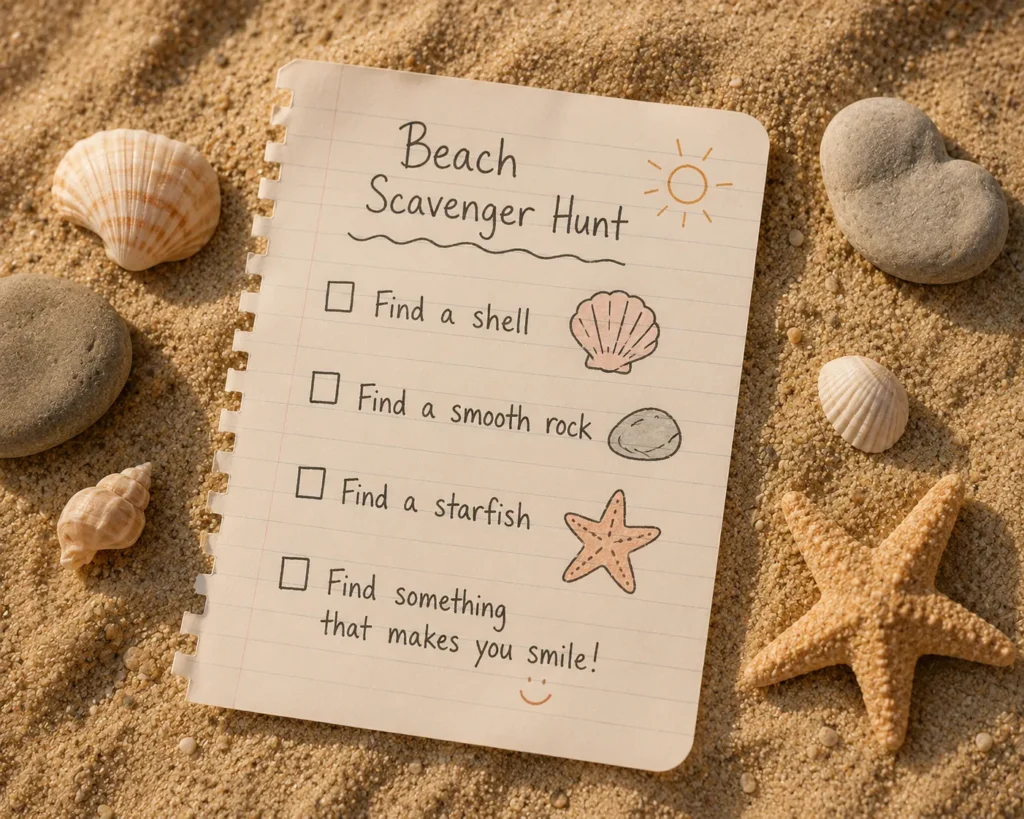
Older kids get bored of digging holes faster than you might think. A scavenger hunt keeps them engaged without needing your constant supervision.
Write a short list before you leave home. Include things like a smooth rock, a piece of seaweed, a shell with a hole in it, or something the color of the ocean. Kids as young as five can usually follow a simple picture based list if you draw instead of write.
This is a save worthy idea for anyone planning a beach trip with a mixed age group, since it gives older kids their own activity while younger siblings nap or play nearby.
5. Pack Snacks That Do Not Melt or Get Sandy Fast
Snack time on the beach comes with two problems, heat and sand. The wrong snack choice means half of it ends up wasted or covered in grit within minutes.
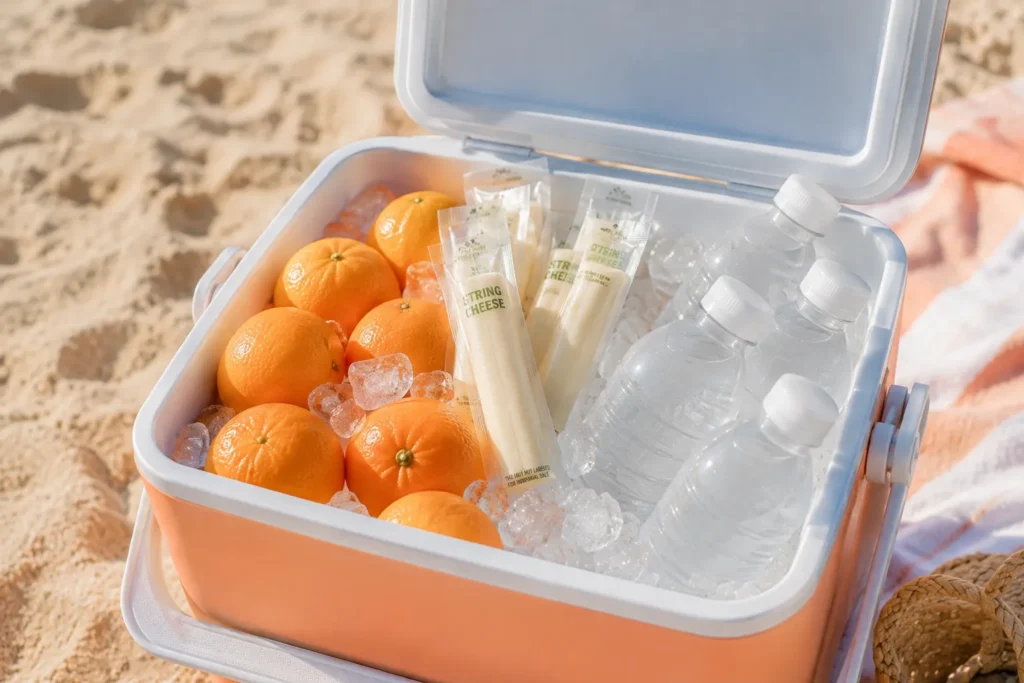
Stick to items with a peel or a wrapper, like clementines, string cheese, or pretzels in a resealable bag. Avoid anything that melts fast, like chocolate, or crumbles easily, like crackers straight out of the box.
A cooler with a few ice packs keeps drinks and snacks at a safe temperature for hours, which matters more than people realize when the sun is strong.
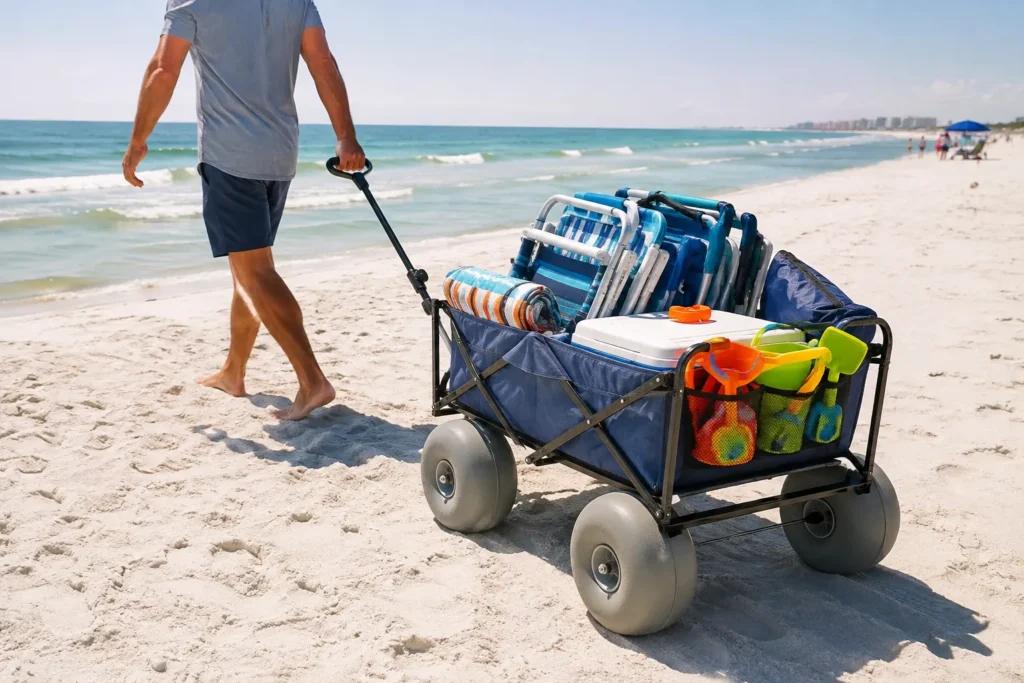
6. Use a Beach Wagon Instead of Carrying Everything
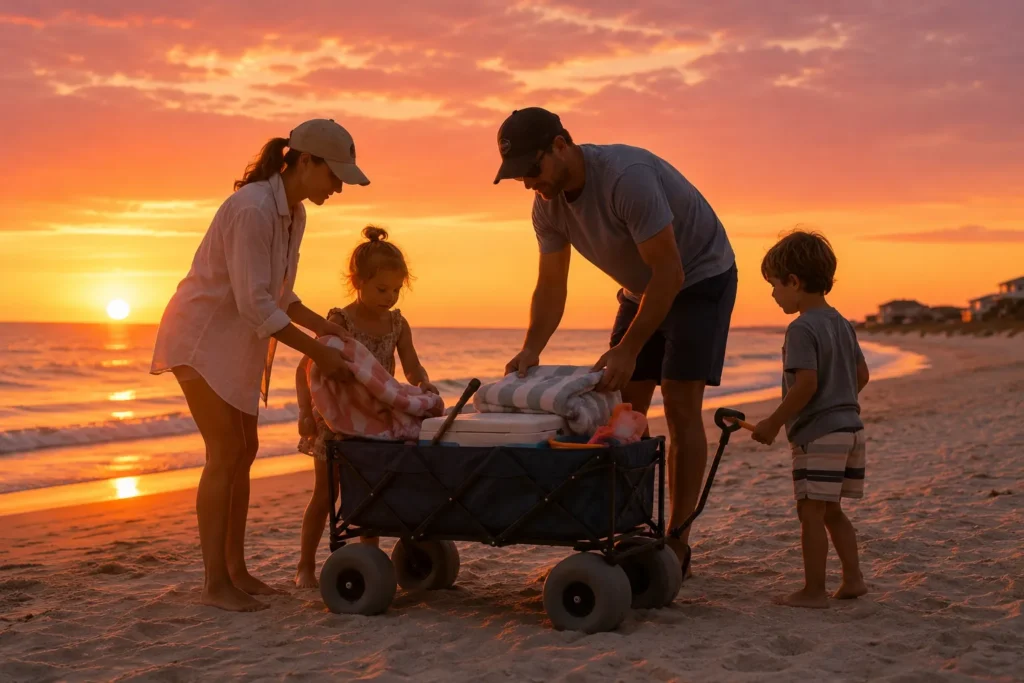
Carrying chairs, toys, coolers, and a toddler at the same time is not realistic. A beach wagon with big wheels makes the walk from the car to your spot far easier, especially on soft sand.
Look for a wagon with wide, sand rated wheels rather than a standard wagon meant for pavement. It is a bigger upfront cost, around 80 to 150 dollars for a sturdy option, but it pays off on every single trip afterward.
This idea works best for families visiting the beach often during summer, rather than a once a year outing where renting or borrowing one makes more sense.
7. Teach a Simple Water Safety Rule Before You Arrive
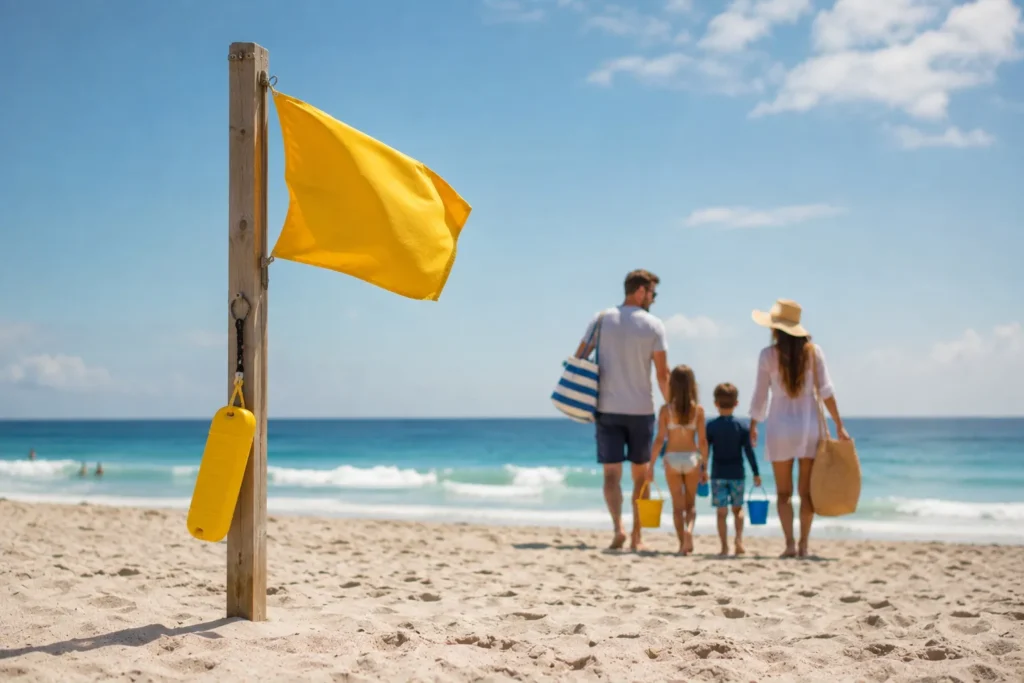
Kids get excited the second they see the water, which means safety talks work better before you get there, not after they are already running toward the waves.
Pick one clear rule kids can remember, like staying where an adult can touch the water too, or never going past their knees without a grown up beside them. Simple rules stick better than long lists of instructions given in the moment.
Many parents overlook checking for rip current flags or lifeguard signals before letting kids swim. Taking thirty seconds to check this when you arrive is one of the easiest ways to prevent a scary situation.
8. Set Up a Shell Collecting Jar as a Take Home Project
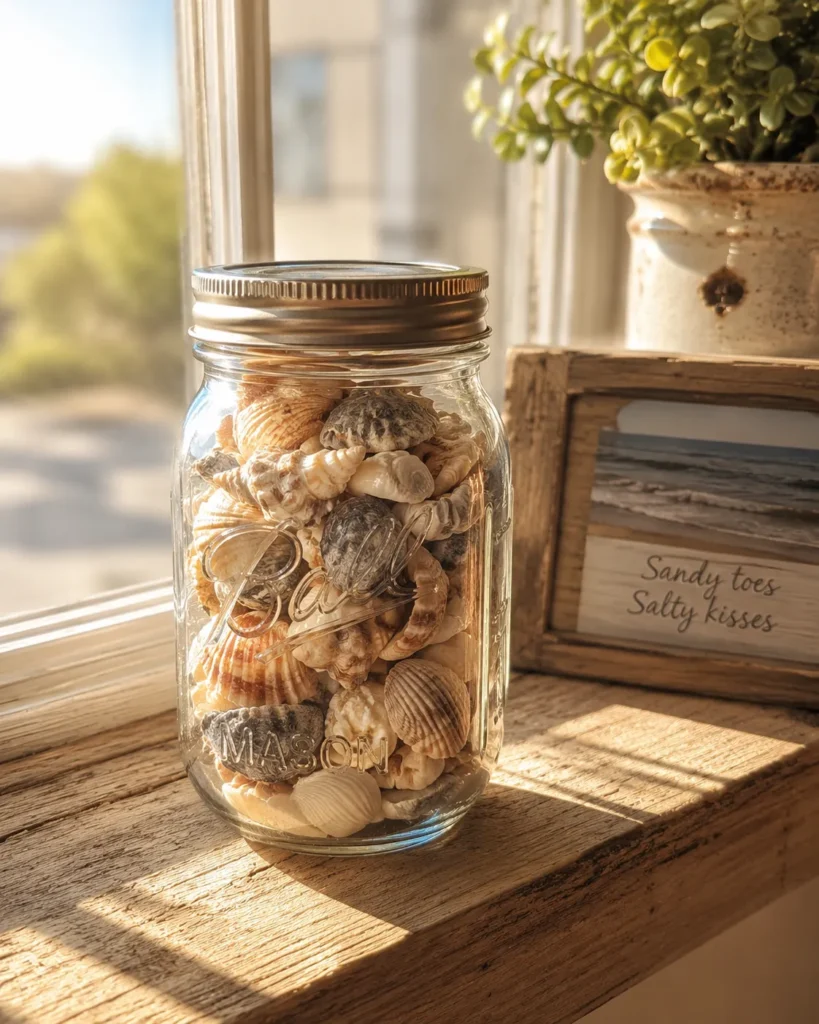
Kids naturally want to collect shells, so give that instinct a purpose. A small mason jar or clear container turns a normal habit into a keepsake they will actually want later.
Let them fill it throughout the day, then rinse the shells at home and let the jar dry on a windowsill. This becomes a simple, no cost souvenir that holds up better than most beach toys, which usually break within a season.
This idea works especially well for families who visit the same beach every year, since kids can compare their collection from trip to trip.
9. Bring a Change of Dry Clothes for the Car Ride Home
Nothing ends a good beach day faster than a long, uncomfortable car ride in a wet swimsuit covered in sand. This step gets skipped more often than you would expect.
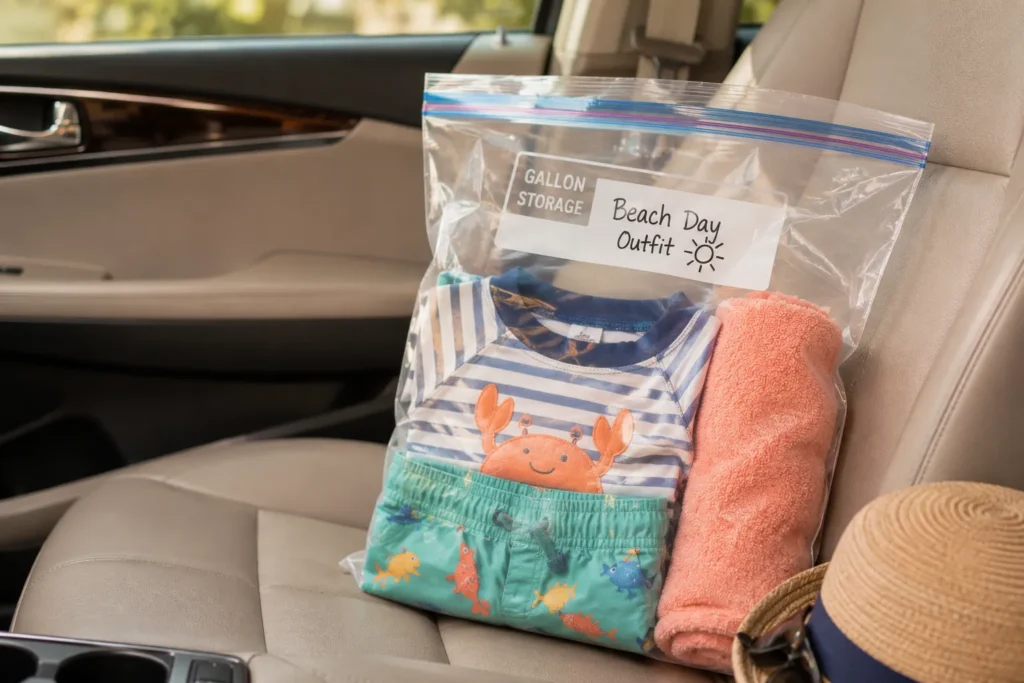
Pack a full dry outfit per child in a labeled gallon bag, along with a small towel just for wiping sandy feet before they get in the car seat. A baby wipe pack works well for a quick rinse when there is no outdoor shower nearby.
Keep the dry clothes bag in the front seat, not buried in the trunk, so you are not digging through beach gear with a tired, cranky kid waiting.
10. Plan One Rest Break Before Anyone Asks for It
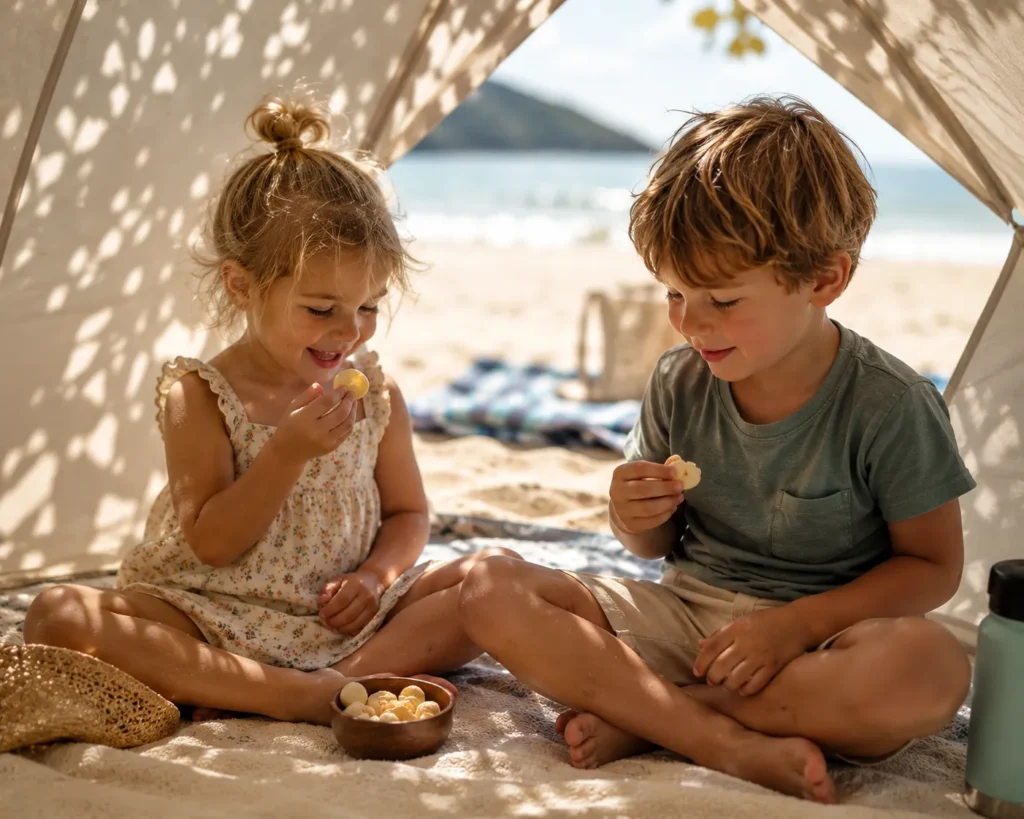
Kids rarely say they are tired until they are already overtired, and by then the mood shift happens fast. Building in a planned break avoids this before it starts.
Around the midpoint of your visit, head to the shade for a snack, some water, and ten to fifteen minutes of quiet time. This works well paired with the shade station from earlier in the day, so the setup is already there waiting.
This small pause often prevents the late afternoon meltdown that ends beach trips earlier than planned. [INTERNAL LINK OPPORTUNITY: outdoor activities that keep kids energized without overheating]
11. Create a Simple End of Day Checklist
Leaving the beach with kids can turn chaotic fast, with missing shoes, half packed bags, and someone crying about leaving. A quick mental checklist keeps this part calm.
Before packing the car, do a walk around the spot to check for forgotten toys, then count kids and shoes, in that order. It sounds simple, but it catches almost everything that normally gets left behind or causes a last minute scramble.
Save this step for last, after everyone is dried off and dressed, so it becomes the final calm moment before the drive home instead of one more thing competing for your attention.
Final Thoughts
A beach day with kids does not have to feel like a mission. With a little planning around shade, snacks, sunscreen, and breaks, you can spend more time actually enjoying the water instead of managing small crises all day. Start with just two or three of these beach kids ideas on your next trip and see how much smoother it feels. Save this list now so it is ready the next time you head to the sand.
Image Alt Text Suggestions
- Pop up beach tent with a soft blanket inside and toddler toys nearby for shade setup
- Stick sunscreen and wide brim sun hat for kids beach sun protection
- Mesh sand toy bag with shovel, bucket, and molds for beach play
- Handwritten beach scavenger hunt list with shells and rocks for kids
- Small cooler with clementines, string cheese, and water for beach snacks
- Beach wagon with wide wheels loaded with gear on the sand
- Lifeguard flag post on the beach for water safety awareness
- Mason jar filled with shells as a beach keepsake project
- Gallon bag with dry clothes and towel for after beach car ride
- Kids resting under a beach tent during a midday break
- Family packing a beach wagon at sunset after a beach day
FAQ Section
What should I pack for a beach day with young kids? Focus on shade, water, snacks that hold up in heat, sunscreen, and a small sand toy kit. A change of dry clothes and a rinse method like baby wipes also make the trip home much easier.
How often should I reapply sunscreen on kids at the beach? Reapply every two hours, or immediately after your child comes out of the water, even if the sunscreen is labeled water resistant. Water resistant only means it lasts through some water time, not all day.
What beach activities work best for toddlers versus older kids? Toddlers usually do best with simple digging tools and a shaded rest area nearby. Older kids stay engaged longer with scavenger hunts, shell collecting projects, or games that give them more independence.
How do I keep sand out of snacks and gear? Use a mesh bag for toys so sand falls through during rinsing, and pack snacks with a peel or wrapper instead of loose items like crackers. Keeping food inside a closed cooler until snack time also helps.
Is a beach wagon worth buying for regular beach trips? If you visit the beach several times a season, a wagon with wide, sand rated wheels makes carrying gear much easier and is usually worth the cost. For occasional trips, borrowing or renting one is often more practical.
What is the most overlooked beach safety step for kids? Checking lifeguard flags or posted water conditions before kids go in the water. It only takes a moment but it is one of the easiest ways to avoid a dangerous situation.


