

11 Healthy Skin Care Essentials for Glowing Skin
Standing in front of the bathroom mirror wondering why your skin still looks tired, even after trying five different serums, is exhausting. You are not doing anything wrong. Most of the time the problem is not effort, it is not knowing which basics actually matter. This article breaks down the 11 skin care essentials that build real, lasting glow, without the guesswork or the expensive haul.
1. A Gentle Cleanser That Matches Your Skin Type
Washing your face should never leave your skin feeling tight or squeaky. That tight feeling is not a sign of clean skin, it is a sign your cleanser stripped away oils your skin actually needs. If your skin leans dry, look for a cream or oil based cleanser. If you deal with oily or acne prone skin, a gentle gel cleanser works better without over drying you.
A common mistake is using a foaming cleanser packed with sulfates twice a day, thinking it deep cleans. In reality, this often triggers more oil production as your skin tries to compensate. Switching to a milder formula, even for two weeks, usually calms breakouts that seemed stubborn before.

2. Lukewarm Water Instead of Hot
This one gets overlooked constantly. Hot water feels relaxing, especially in the shower, but it breaks down your skin’s natural barrier faster than almost anything else in your routine. Over time this leads to redness, flaking, and skin that reacts to products it used to tolerate just fine.
Lukewarm water for washing your face protects that barrier while still removing dirt and makeup effectively. This is especially useful for anyone with sensitive or eczema prone skin, since hot water tends to make itching worse within minutes.
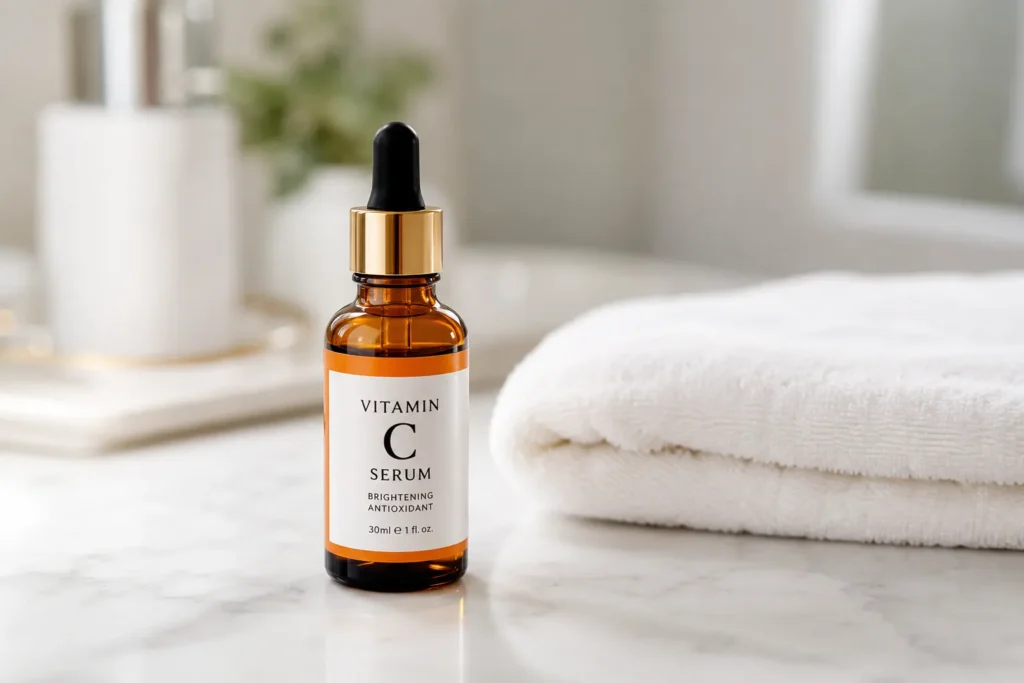
3. A Vitamin C Serum for Morning Brightness
Dullness is one of the most common skin complaints, and it usually comes from a mix of sun exposure, stress, and slower cell turnover as we age. A vitamin C serum applied in the morning, under sunscreen, helps fade uneven tone and gives skin a noticeably brighter look within a few weeks of consistent use.
For a budget friendly option, look for a formula with 10 to 15 percent vitamin C. Higher percentages are not always better and can actually irritate sensitive skin. Store the bottle away from direct sunlight, since vitamin C breaks down quickly when exposed to heat and light.
4. Hyaluronic Acid for Deep Hydration
Hyaluronic acid gets talked about a lot, but most people apply it wrong. It works by pulling moisture into the skin, which means it needs to be applied to slightly damp skin, then locked in with a moisturizer right after. Applying it to completely dry skin can actually pull moisture out instead of in, leaving you more dehydrated than before.
This step works well for almost every skin type, including oily skin, because hydrated skin actually produces less excess oil over time. Think of it as the plumping step that makes fine lines look softer by the next morning./
5. A Moisturizer That Actually Locks Everything In
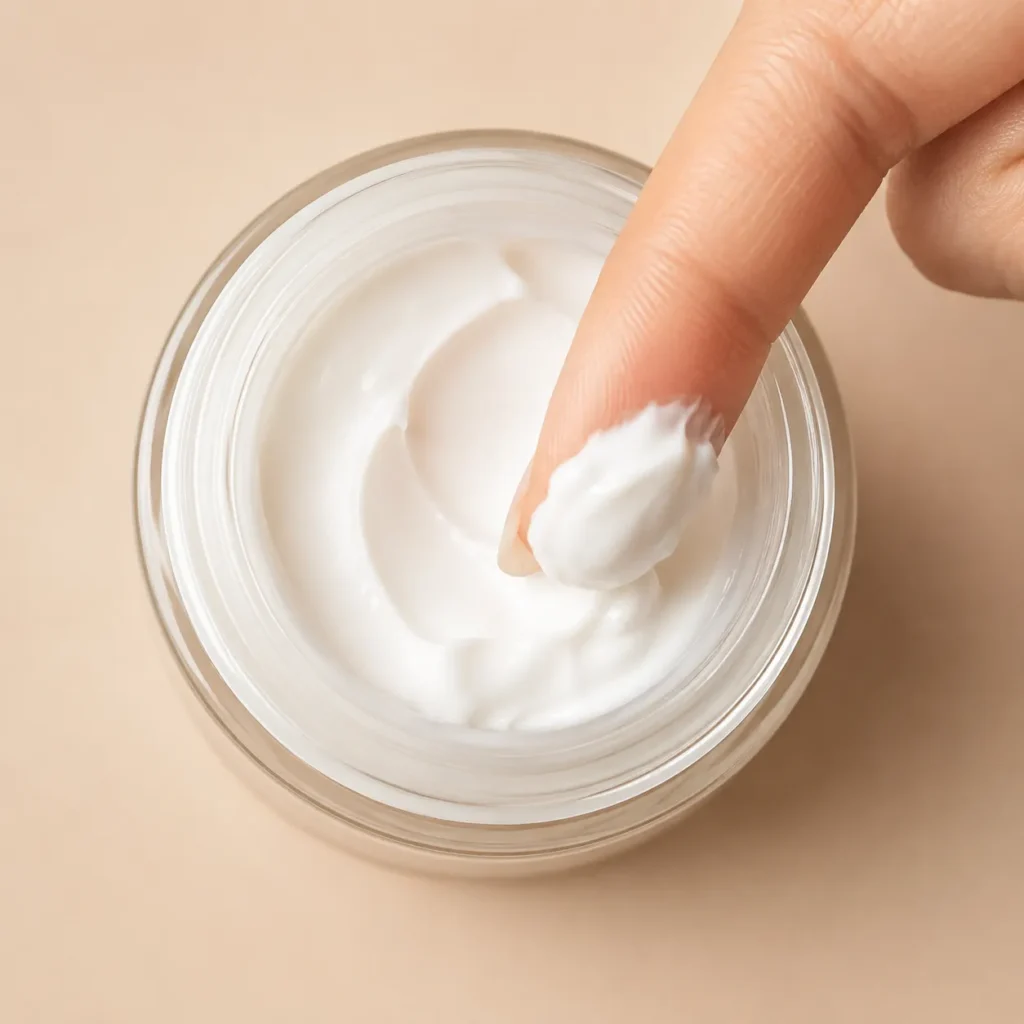
Skipping moisturizer because your skin feels oily is one of the most common mistakes people make. Oily skin still needs hydration, it just needs a lighter, oil free formula instead of a heavy cream. Dry skin, on the other hand, benefits from richer textures with ingredients like ceramides or shea butter.
The real trick is applying moisturizer within a minute or two after cleansing, while skin is still slightly damp. This helps seal in the water on your skin’s surface instead of letting it evaporate, which is a small detail that makes a noticeable difference in how soft your skin feels by evening.
6. Daily Sunscreen, Even on Cloudy Days
This is the essential most people skip, and it is the one that matters most for long term skin health. UV rays cause the majority of visible aging, including fine lines, dark spots, and loss of firmness. Clouds block very little of that UV exposure, so skipping sunscreen on a gray day still leaves your skin unprotected.
A broad spectrum SPF 30 or higher, applied every morning as the last step of your routine, protects the results of everything else you are doing. If you wear makeup, look for a lightweight sunscreen that layers well underneath foundation without pilling.
7. Gentle Exfoliation, Once or Twice a Week
Exfoliating too often is a mistake that shows up as redness, sensitivity, and a rough texture that feels like the opposite of what you were going for. Skin naturally sheds dead cells on its own, and exfoliating helps that process along, but only when done in moderation.
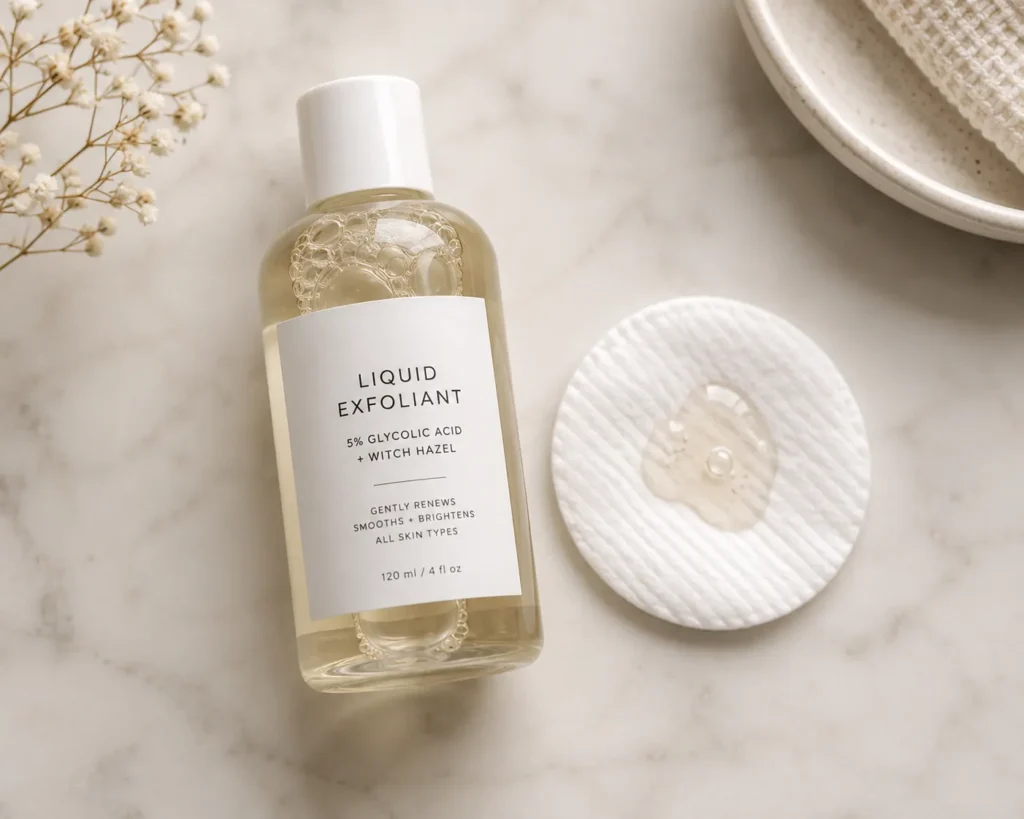
A chemical exfoliant with lactic acid or a mild concentration of glycolic acid works gently for most skin types. Physical scrubs with rough beads can create tiny tears in the skin, so a soft chemical option is usually the safer choice, especially for anyone with a fair or reactive complexion.
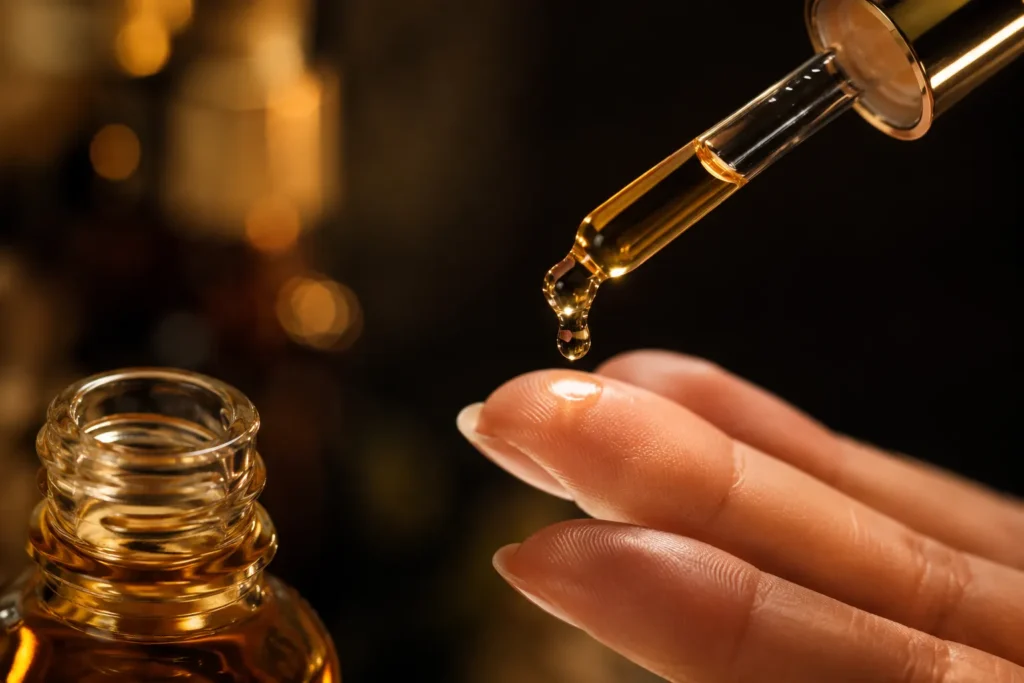
On nights when your skin feels especially tight or dull, a few drops of face oil layered over moisturizer can make a real difference. Oils like rosehip, squalane, or jojoba mimic the skin’s natural sebum, which means they absorb well instead of sitting on top feeling greasy.

8. A Nourishing Face Oil for Extra Nights
This step works best in colder months or dry climates, when indoor heating pulls moisture out of the air. A small bottle lasts a long time since only two or three drops are needed per use, making it one of the more budget friendly luxuries in a routine.

9. Enough Water and Sleep to Support Skin From the Inside
No serum can fully make up for chronic dehydration or poor sleep. Skin repairs itself overnight, and this process slows down significantly when sleep is cut short. Puffiness, dark circles, and a dull complexion are often the first visible signs that your body needs more rest.
Aiming for consistent water intake throughout the day, rather than one large glass in the morning, keeps skin cells better hydrated. Pairing this with seven to eight hours of sleep gives your skin the time it actually needs to regenerate.
10. A Gentle Eye Cream for the Thinnest Skin on Your Face
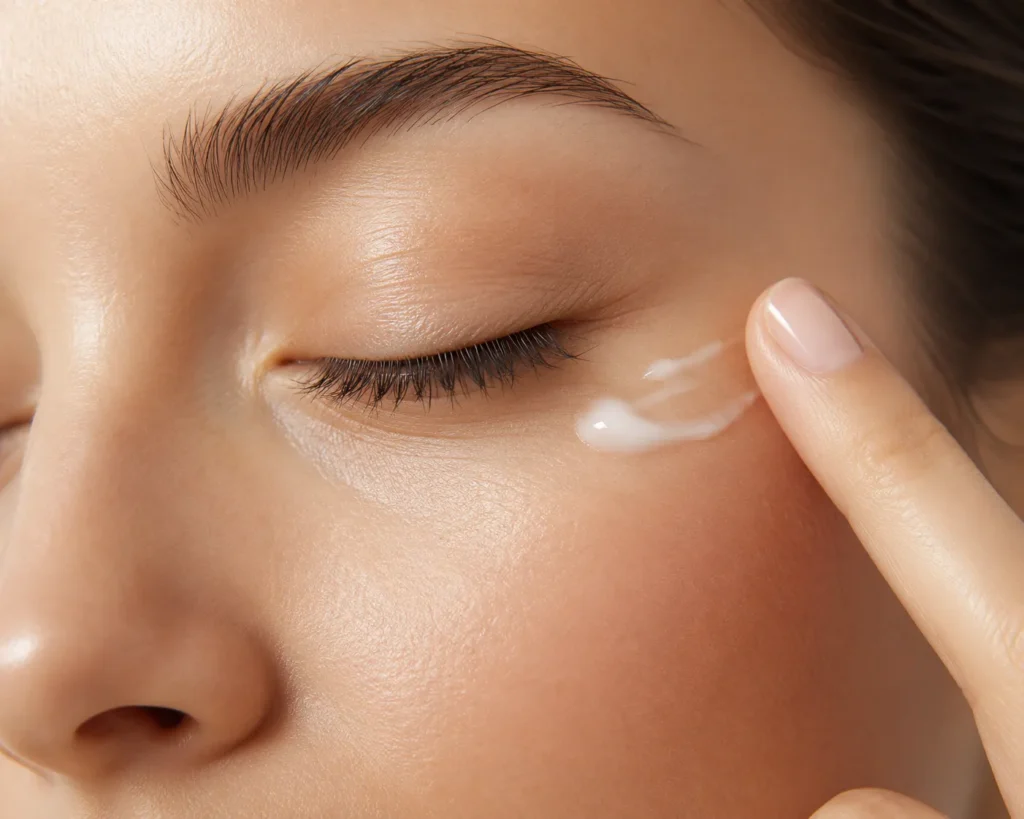
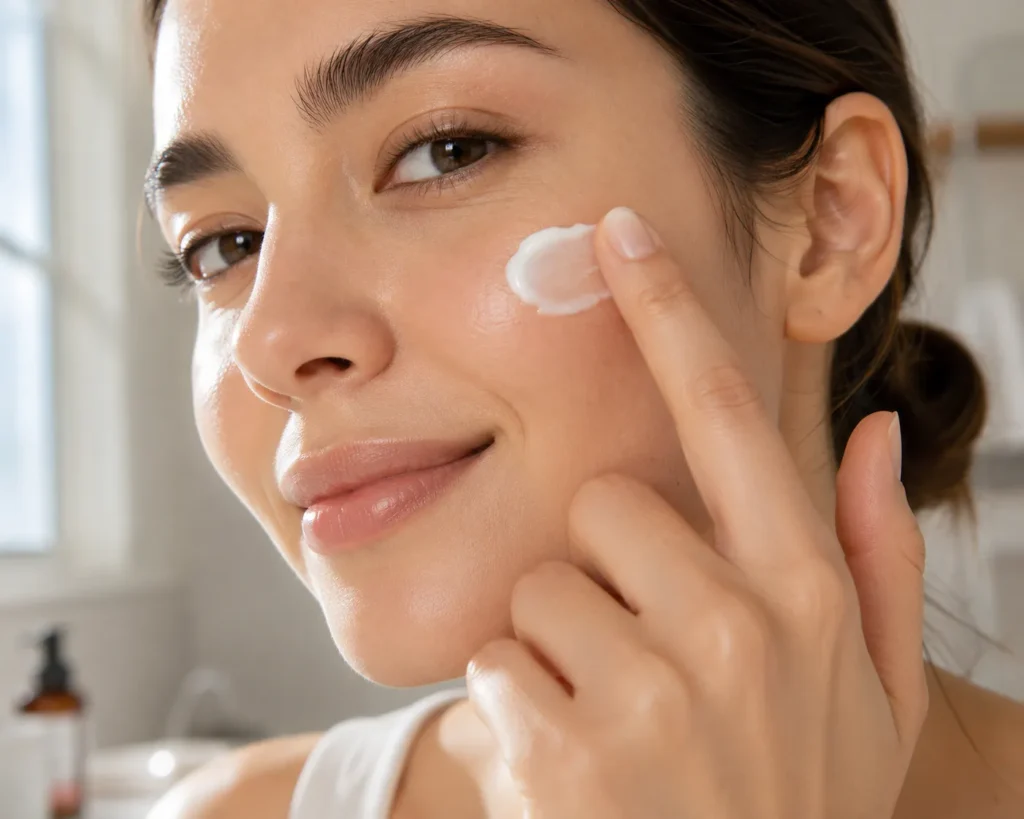
The skin around your eyes is thinner and more delicate than anywhere else on your face, which means it shows dryness, fine lines, and fatigue faster than other areas. A lightweight eye cream, applied with your ring finger using a light tapping motion, helps hydrate this area without tugging or stretching the skin.
Look for ingredients like caffeine for reducing puffiness or peptides for gradual firming. This step is small but often makes the biggest visible difference in how rested your face looks, even on a short sleep night.
11. Patch Testing New Products Before Full Use
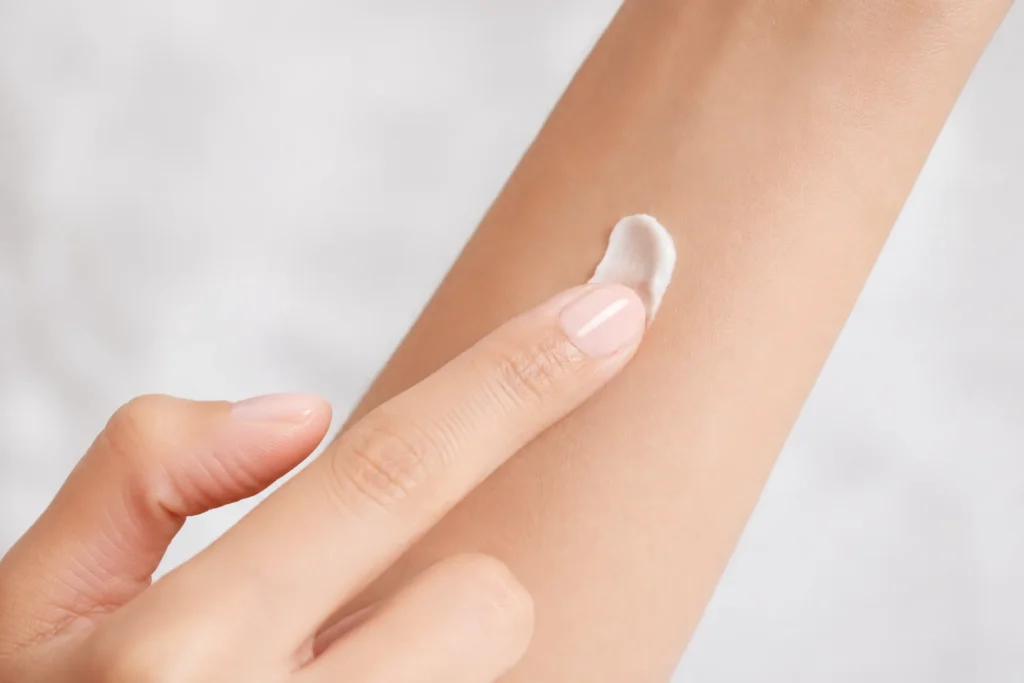
This step gets skipped constantly, and it is the reason so many people end up with sudden breakouts or irritation after trying something new. Applying a small amount of a new product to your inner arm or jawline for two to three days lets you catch a reaction before it spreads across your whole face.
This matters most for active ingredients like retinol, exfoliating acids, or new fragrance heavy products. A few extra days of patience can save you weeks of calming down irritated skin afterward, which makes this one of the simplest ways to protect your progress.

Building healthy skin does not require a twelve step routine or a shelf full of expensive products. It comes down to consistency with the basics, protecting what you already have, and giving your skin what it needs instead of what a trend tells you to buy. Start with even two or three of these essentials this week, and let the rest come naturally as your routine settles in. Your skin will thank you for the patience.
Image Alt Text Suggestions
- Woman washing face with gentle cream cleanser in morning light
- Applying vitamin C serum from amber glass bottle for brighter skin
- Scooping moisturizer from jar for hydrated healthy skin
- Applying face oil drops for extra nourishment at night
- Gently patting eye cream around delicate eye area
- Patch testing new skin care product on forearm
FAQ Section
1. What is the most important step in a healthy skin care routine? Sunscreen is the single most important step, since daily sun exposure causes the majority of visible skin aging over time.
2. Do I need all 11 of these essentials to see results? No. Starting with a gentle cleanser, moisturizer, and daily sunscreen alone will noticeably improve your skin within a few weeks.
3. Can oily skin still use a face oil? Yes, in small amounts. Lightweight oils like squalane can help balance oily skin instead of adding extra grease, especially when used sparingly at night.
4. How long does it take to see results from a new skin care routine? Most people notice small changes within two to four weeks, though deeper concerns like dark spots or texture can take six to eight weeks of consistent use.
5. Is expensive skin care always better for your skin? Not necessarily. Ingredients matter more than price, and many budget friendly products contain the same active ingredients as high end versions.
6. How often should I exfoliate for healthy skin? Once or twice a week is enough for most skin types. Exfoliating more often can weaken your skin’s barrier and lead to redness or sensitivity.


