

10 Sunscreen Aesthetic Essentials for a Daily Glow
Do you ever open your bathroom cabinet and just sigh at the mismatched bottles, the sunscreen that feels like paste, and the one you keep forgetting to use because it smells like a hospital? You are not alone. So many of us know we should wear SPF every day, but the wrong formula or a boring routine makes it easy to skip. This article will walk you through the sunscreen aesthetic essentials that make daily protection feel like a small treat instead of a chore, so your glow and your skin barrier both win.
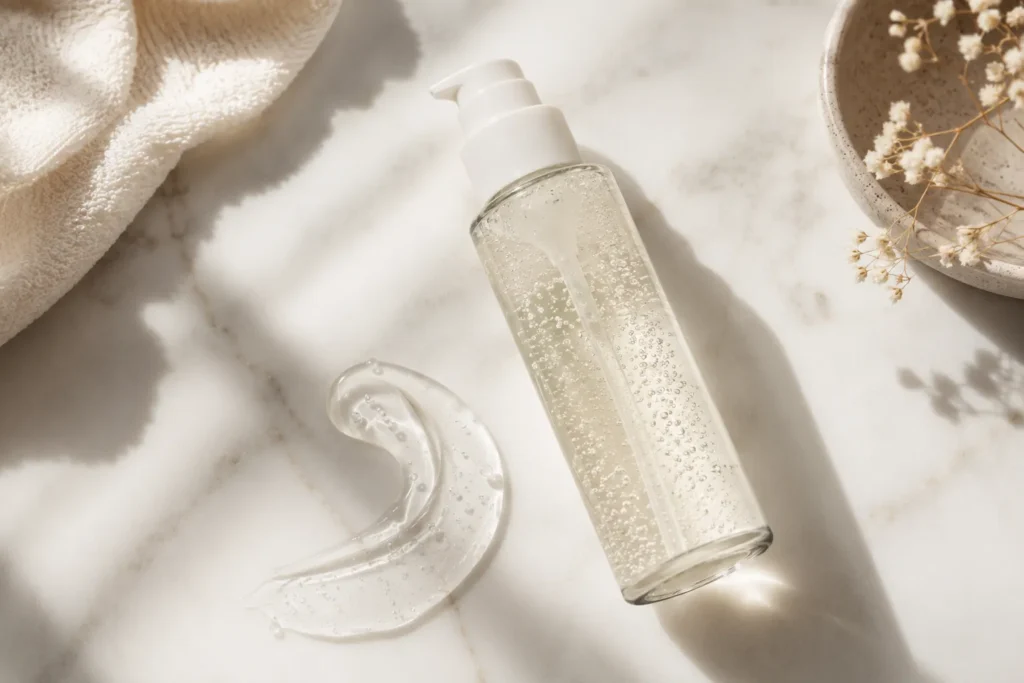
1. A Lightweight Gel Formula for Everyday Wear
A heavy, greasy sunscreen is the fastest way to talk yourself out of wearing it. Look for a gel based formula that sinks in within a minute and leaves a soft, dewy finish instead of a thick film. This matters most for anyone with oily or combination skin who dreads the mask like feeling of older sunscreen formulas. A good gel SPF layers easily under makeup and does not pill when you add other products on top.
The reason this works is simple. Gel formulas usually rely on water and silicone based carriers instead of heavy oils, so they spread thin and absorb fast. If your current sunscreen leaves a white cast or feels sticky by lunchtime, that mismatch is often what pushes people to skip it altogether.
2. Tinted SPF That Replaces a Step
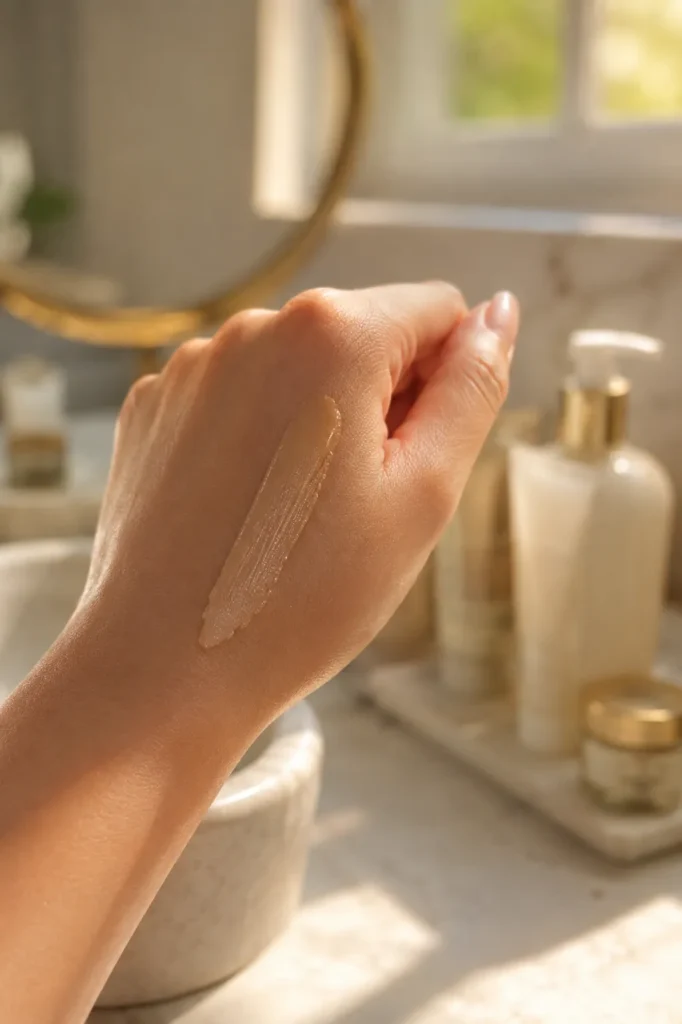
One of the most overlooked pieces of a sunscreen aesthetic is using a tinted SPF to skip a separate foundation step. A tinted sunscreen evens out redness, blurs pores slightly, and gives your face a soft glow while still doing the job of protecting your skin. This is a great fit for busy mornings or for anyone who wants a lower maintenance routine without giving up coverage.
A common mistake here is picking a tint that is too light or too pink for your actual skin tone, which leaves a gray or ashy look. Test the shade on your jawline in daylight, not under bathroom lighting, before you commit to a full size bottle.
3. SPF 30 or Higher as a Non Negotiable
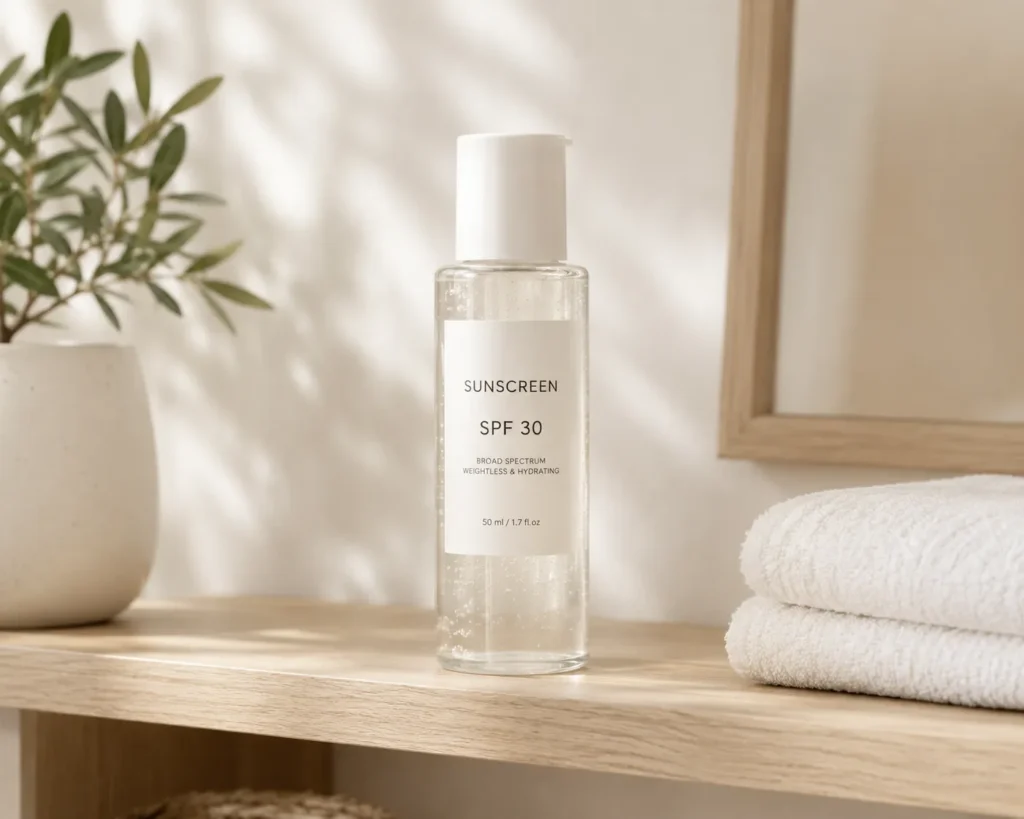
It is tempting to reach for a lower SPF because it feels lighter, but SPF 30 is the real starting point for daily protection. Anything lower simply does not block enough UVB rays to matter over a full day outdoors or near a window. For most skin tones and lifestyles, SPF 30 to 50 gives you real coverage without feeling heavier than SPF 15.
This is one of those details that shows up in your skin years later. Sun damage from years of low SPF or skipped days adds up slowly, showing as fine lines, dark spots, and uneven tone long before you notice it happening. Choosing SPF 30 or higher every single day is the simplest way to protect your future skin.
4. A Mineral Option for Sensitive Skin Days
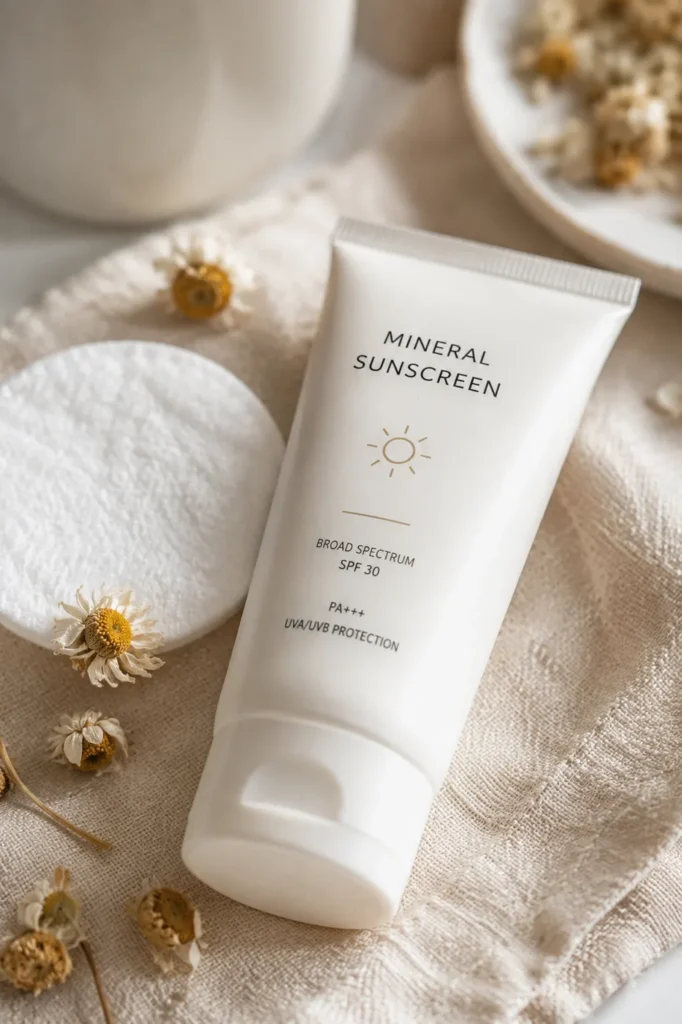
Chemical sunscreens work well for most people, but sensitive or reactive skin often does better with a mineral formula using zinc oxide or titanium dioxide. Mineral sunscreens sit on top of the skin and reflect UV rays instead of absorbing them, which makes them gentler on skin that flushes easily or reacts to fragrance.
Keep one mineral option on your shelf for days when your skin feels irritated, post facial, or freshly exfoliated. The trade off is a slightly thicker texture and sometimes a light cast, but newer mineral formulas have improved a lot and blend much better than the chalky versions from a few years ago.
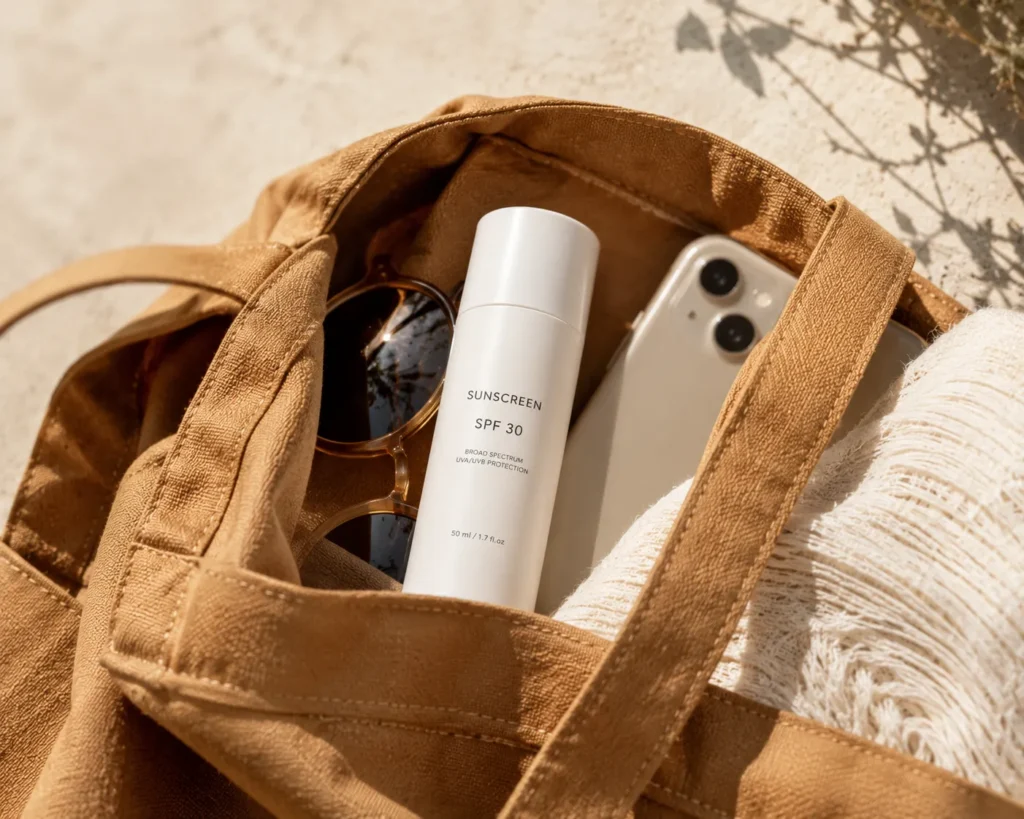
5. A Travel Size Bottle for Your Bag
Sunscreen only protects you when you actually reapply it, and most people forget because the bottle is sitting at home. A small travel size bottle, refillable if possible, solves this instantly. Keep one in your everyday bag, your car, or your desk drawer so reapplying midday takes ten seconds instead of feeling impossible.
This works especially well for anyone who commutes, walks during lunch, or spends time near windows at work, since UVA rays pass through glass. A tiny bottle removes the excuse of leaving your SPF behind.
6. A Setting Spray SPF for Reapplication Over Makeup
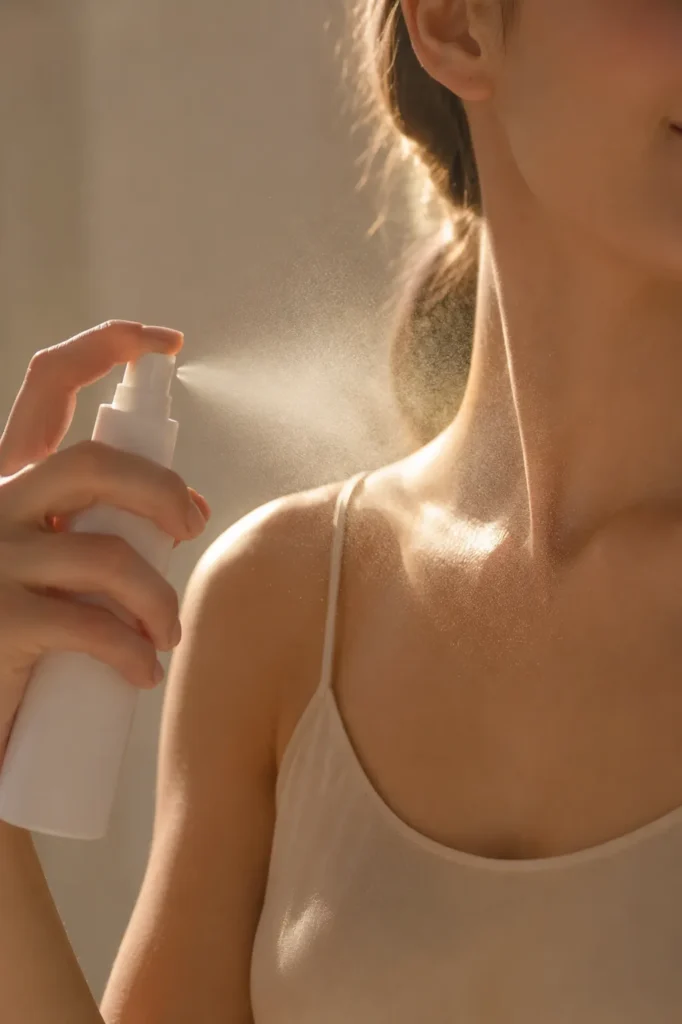
Reapplying regular sunscreen over a full face of makeup is messy and most of us skip it for that exact reason. A setting spray with SPF solves this. You mist it on top of makeup without disturbing your look, and it gives you a real second layer of protection for the afternoon.
This is one of those ideas worth saving because it solves a problem almost nobody talks about. Traditional sunscreen advice assumes a bare face, but a setting spray SPF actually fits how most people wear their skin care and makeup together.
7. A Broad Spectrum Label You Actually Check
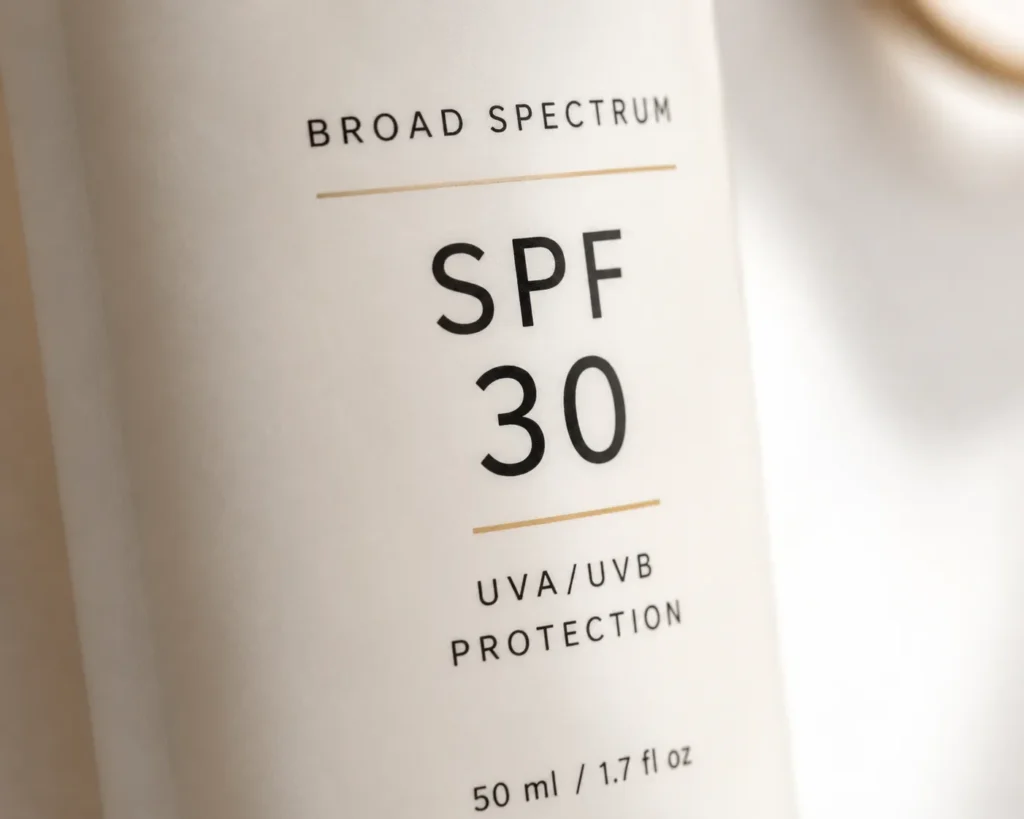
Not all SPF numbers protect you the same way. The number on the front only tells you about UVB protection, the kind that causes sunburn. Broad spectrum coverage is what protects you from UVA rays too, the ones linked to premature aging and deeper skin damage. Always check for the words broad spectrum on the label before buying.
A common mistake is assuming a high SPF number automatically means full protection. A sunscreen labeled SPF 50 without broad spectrum coverage still leaves your skin exposed to UVA damage, so the label wording matters just as much as the number.
8. A Scent Free or Barely There Fragrance
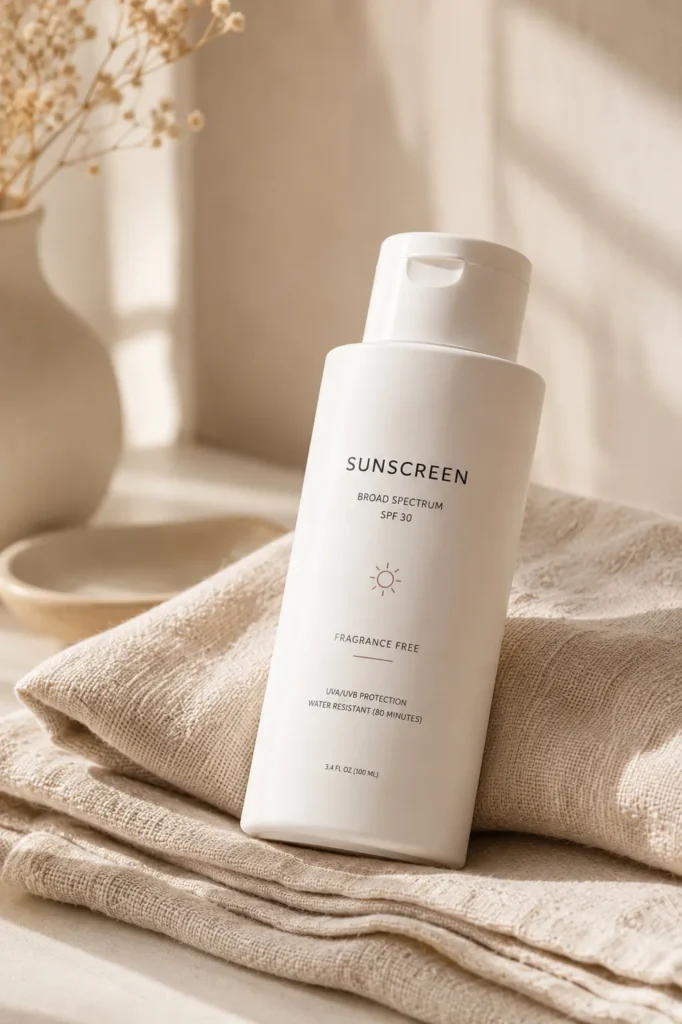
Fragrance is one of the top reasons people avoid daily sunscreen, especially those with sensitive skin or a history of breakouts around the nose and forehead. Choosing a scent free or very lightly scented formula removes one more barrier to wearing it every day without thinking twice.
This matters most for anyone applying sunscreen near the eyes or lips, where strong fragrance can sting or cause irritation over time. If your current sunscreen makes your eyes water, that is a sign to switch to a fragrance free version rather than pushing through it.
9. A Cushion or Stick Format for Quick Reapplication
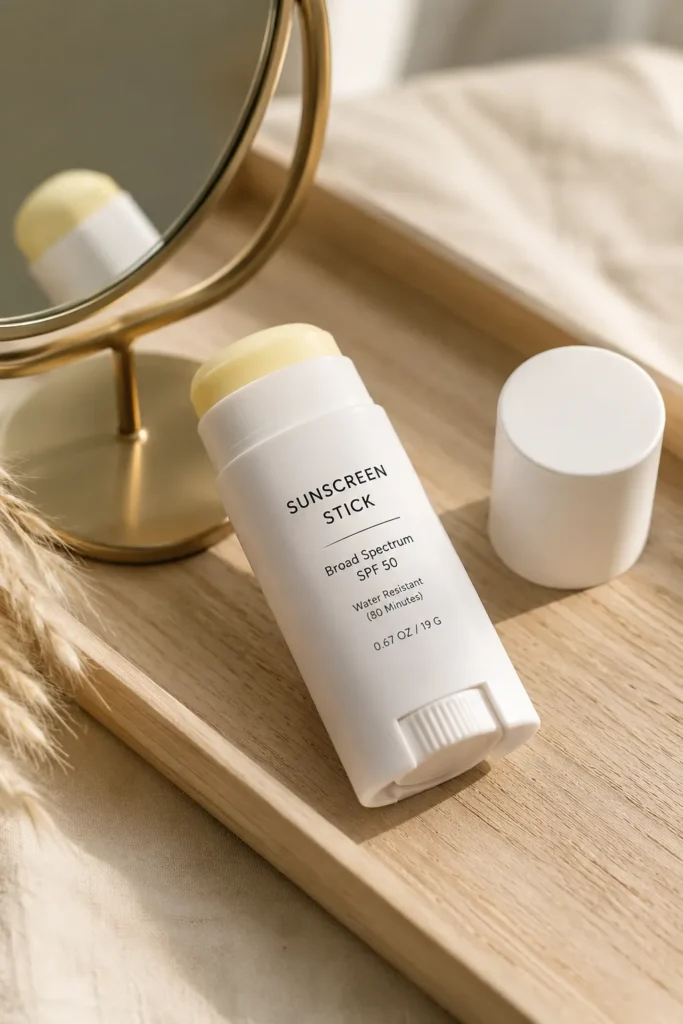
For midday touch ups without makeup smudging, a sunscreen stick or cushion compact is genuinely one of the most useful additions to a skin care bag. You swipe or press it on in seconds, over makeup or bare skin, no fingers or mess involved.
This is a save worthy pick for anyone with kids, anyone at outdoor events, or anyone who simply forgets to reapply from a bottle. Keep it in a coat pocket or car console so it is always within reach when you need thirty seconds to protect your skin.
10. Storage That Keeps You Consistent
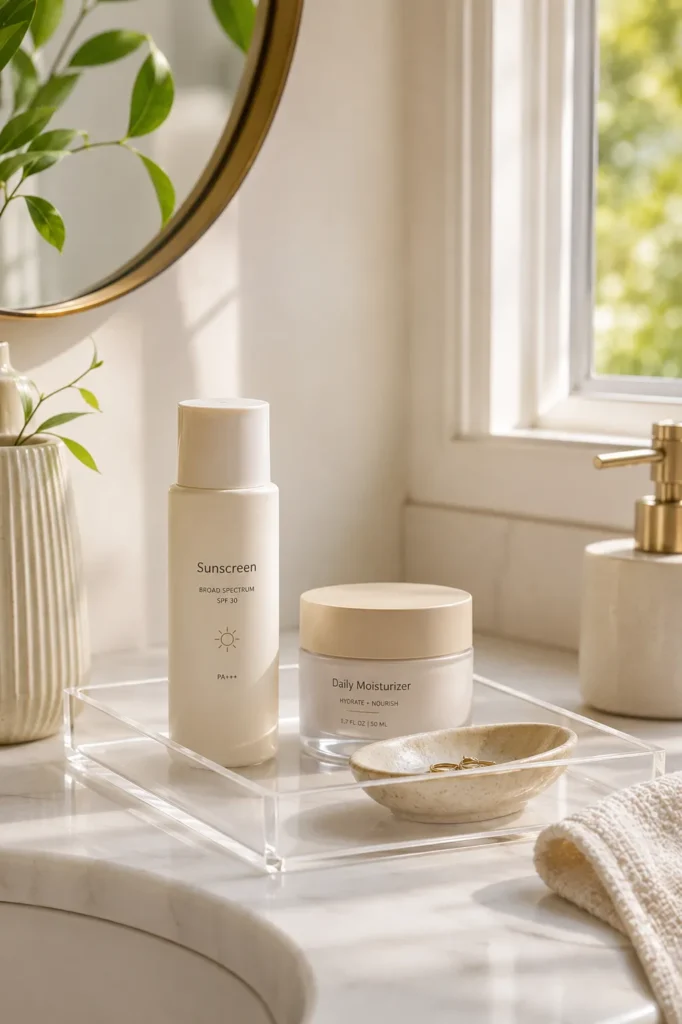
The last piece of a real sunscreen aesthetic is not a product at all, it is where you keep it. Sunscreen left in a drawer gets forgotten. Sunscreen displayed on your counter in a small tray or cup, right next to your toothbrush or moisturizer, becomes part of your automatic morning motion.
Picture your bathroom counter with a small clear tray holding your daily SPF, your favorite moisturizer, and nothing else competing for attention. That kind of visual cue does more for consistency than any reminder app ever will. Small changes like this are often the real reason some people wear sunscreen every day while others only remember it at the beach.
Building a sunscreen routine you actually enjoy is not about buying more products, it is about picking the few that fit your real life and your real skin. Once your SPF feels light, smells clean, and sits right where you can see it, skipping it stops being the easy option. Start with just one or two swaps from this list this week, maybe the gel formula or the travel size bottle, and let the rest follow naturally. Save this list so you have it ready the next time you are restocking your skin care shelf.
Image Alt Text Suggestions
- Gel sunscreen texture flat lay showing lightweight, non greasy formula on marble surface
- Tinted sunscreen swatch on hand showing natural glow finish
- SPF 30 sunscreen bottle representing daily broad spectrum sun protection
- Mineral sunscreen tube for sensitive skin with zinc oxide formula
- Travel size sunscreen bottle for on the go SPF reapplication
- SPF setting spray being applied over makeup for midday sun protection
- Broad spectrum sunscreen label close up showing UVA and UVB protection
- Fragrance free sunscreen bottle for sensitive skin daily use
- Sunscreen stick for quick, mess free SPF reapplication
- Bathroom counter tray with sunscreen and skin care essentials for a consistent routine
FAQ Section
Do I really need sunscreen every day, even indoors? Yes, if you are near windows, UVA rays can still reach your skin through glass. Daily SPF protects against long term damage, not just sunburn from direct outdoor sun.
What SPF number should I actually use daily? SPF 30 is the general minimum for daily protection, and SPF 50 offers a bit more coverage for long days outside. Anything below SPF 30 does not block enough UVB rays for consistent daily use.
Can tinted sunscreen replace my foundation? For many people, yes, especially on lower coverage days. It evens tone and adds a light glow while still protecting your skin, though you may want a concealer for specific spots.
Why does my sunscreen leave a white cast? This usually happens with mineral formulas that have not fully blended in, or with a shade that is too light for your skin tone. Try warming the product between your fingers before applying, or test a tinted mineral version instead.
How often should I reapply sunscreen during the day? Every two hours is the general guideline, especially if you are outside, sweating, or swimming. A setting spray or stick SPF makes this much easier to actually do over makeup.
Is mineral or chemical sunscreen better for my skin? It depends on your skin type. Mineral sunscreen tends to be gentler for sensitive or reactive skin, while chemical sunscreen often feels lighter and blends more easily for everyday wear.


