

11 Ultraviolet Radiation Facts for Healthier Skin
Most of us walk out the door in the morning without thinking twice about the sun. It feels harmless, especially on a cloudy day or during a quick errand run. But ultraviolet radiation is working on your skin every single time you step outside, whether you notice it or not. Once you understand what it actually does, sun care stops feeling like a chore and starts feeling like common sense. Here are 11 facts that will change the way you think about protecting your skin.
1. Ultraviolet Radiation Comes in Two Types That Matter for Your Skin
There is more happening in sunlight than most people realize. UVA rays reach deep into the skin and are the main reason for fine lines and sagging over time. UVB rays stay closer to the surface and are the ones behind sunburn. Both types are present during daylight hours, even when the sun feels mild.
A woman who spends her afternoons near a sunny window at work is still getting UVA exposure, since UVA rays pass through glass. This is why people who drive a lot often develop more sun damage on the side of the face closest to the car window. Knowing the difference helps you choose a sunscreen that blocks both, labeled as broad spectrum.

2. Ultraviolet Radiation Is Strongest When You Least Expect It
A lot of people assume the sun only causes damage on clear, hot days. In reality, UV rays travel through clouds and can be just as strong on an overcast afternoon. This catches many people off guard, especially in cooler months when sunscreen feels unnecessary.
If you spend your lunch break walking outside in autumn without sunscreen because it looks gray outside, you could still be picking up meaningful UV exposure. The fix is simple: check the UV index on your weather app instead of judging by how sunny it looks. Anything above 3 calls for sun protection, cloud cover or not.

3. Ultraviolet Radiation Builds Up Damage You Cannot See Right Away
Skin damage from UV exposure often shows up years after the actual sun exposure happened. This delay is part of why sun damage sneaks up on people. You might spend years with minimal protection and only notice dark spots or texture changes later in your thirties or forties.
Think of it like a slow savings account, except the deposits are damage instead of money. A woman who spent her twenties without daily sunscreen may start seeing the results show up now, even if her skin looked fine at the time. Starting consistent protection today still helps, since it stops new damage from adding to what already happened.
4. Ultraviolet Radiation Reflects Off Surfaces More Than People Think
Sun exposure is not only about what comes directly from the sky. UV rays bounce off water, sand, snow, and even light colored pavement, which increases your total exposure without you realizing it.
A common mistake is applying sunscreen once before heading to the beach and assuming that covers the whole day. Between the sun overhead and the reflection off the water, exposure adds up fast, often doubling in bright conditions near sand or snow. The fix is reapplying every two hours when you are near reflective surfaces, and choosing a water-resistant formula for beach days or winter ski trips.

5. Ultraviolet Radiation Affects Skin Differently Depending on Tone
Every skin tone can experience damage from UV exposure, though the visible signs differ. Lighter skin tends to burn more easily and show redness quickly, while deeper skin tones are more prone to dark spots and uneven tone over time rather than obvious burns.
This matters because some people with deeper skin tones assume they do not need sunscreen since they rarely burn. Unfortunately, the lack of visible burning does not mean the skin is unaffected. Daily SPF benefits every skin tone, just in slightly different ways, and it is one of the simplest steps for keeping tone even over the years.

6. Ultraviolet Radiation Is Most Intense During Specific Hours
The sun is not equally strong all day. UV intensity peaks between 10am and 4pm, when the sun sits highest in the sky. Exposure during these hours causes more damage in less time compared to early morning or late afternoon sun.
If your daily walk happens to fall right in the middle of the day, you are getting a stronger dose than someone who walks at 8am. This does not mean midday activities are off limits, but it does mean sunscreen matters more during those hours, along with a hat or shade when possible, especially if you are outside for more than twenty minutes.

7. Ultraviolet Radiation Passes Through Some Fabrics
Clothing feels like automatic protection, but not all fabric blocks UV rays equally. A thin white cotton shirt offers surprisingly little defense, while tightly woven or dark colored fabric blocks significantly more.
This is worth knowing if you rely on a light cover-up at the pool thinking it fully shields your skin. A better approach is choosing fabric labeled with UPF protection for extended outdoor time, or applying sunscreen underneath lighter clothing just to be safe. This small adjustment closes a gap that a lot of people do not think about.

8. Ultraviolet Radiation Exposure Adds Up During Everyday Errands
People often picture sun damage happening during vacations or beach days, but daily errands contribute more than most realize. Walking to your car, waiting at a bus stop, or gardening for twenty minutes all count as real exposure.
[INTERNAL LINK OPPORTUNITY: daily skin care habits for beautiful skin]
A woman who skips sunscreen on days she is “just running errands” may be underestimating how much cumulative time she actually spends outside. Making SPF part of your morning routine, the same way you brush your teeth, removes the guesswork and covers these small moments without extra thought.

9. Ultraviolet Radiation Can Affect Eyes as Well as Skin
Skin care conversations often skip over the eyes, but the delicate skin around them is thin and especially prone to early sun damage, including fine lines. UV rays can also affect the eyes themselves over time.
Sunglasses with UV protection do double duty here, shielding both the eyes and the surrounding skin from unnecessary strain and sun exposure. If you already wear a hat and sunscreen but skip sunglasses, this is an easy gap to close, especially during bright outdoor activities like driving or walking in open spaces.

10. Ultraviolet Radiation Requires Reapplication to Stay Effective
Applying sunscreen once in the morning and assuming it lasts all day is one of the most common mistakes people make. Sunscreen breaks down with sweat, water, and simple time passing, which means its protection fades well before the day ends.
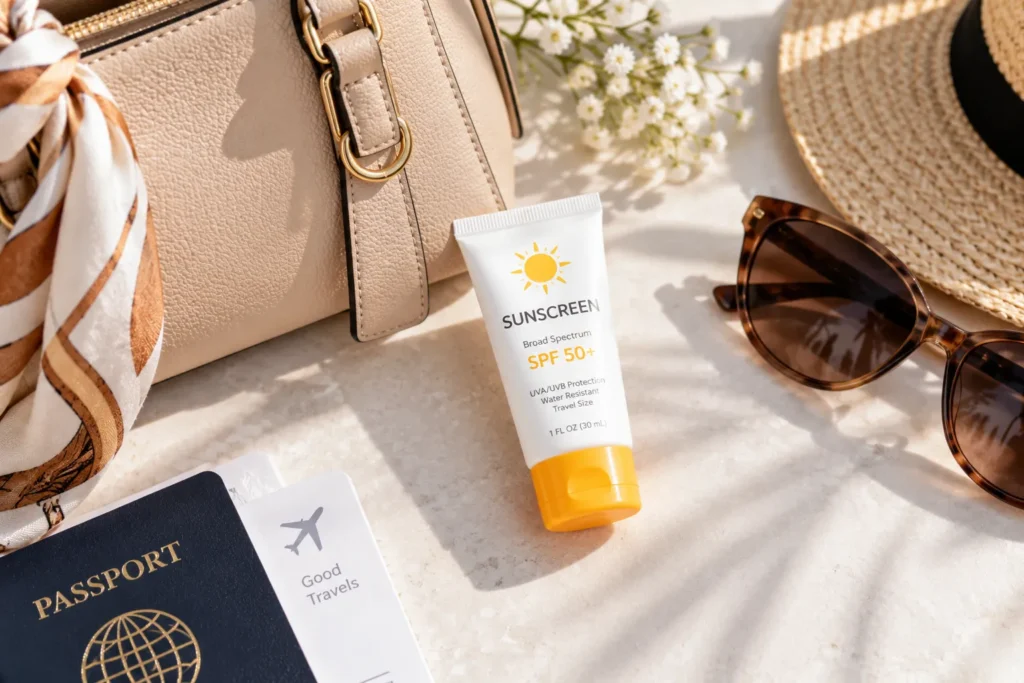
For most days, reapplying every two hours keeps protection consistent, and sooner if you are swimming or sweating heavily. Keeping a small travel size sunscreen in your bag or car makes this realistic to maintain, rather than something you mean to do but forget by noon.
[INTERNAL LINK OPPORTUNITY: SPF cream tips for healthy glowing skin]
11. Ultraviolet Radiation Protection Works Best as a Daily Habit, Not a Seasonal One
A lot of people treat sunscreen as a summer product, packing it away once the weather cools down. Since UV rays are present year round, even in winter, this seasonal approach leaves skin unprotected for months at a time.
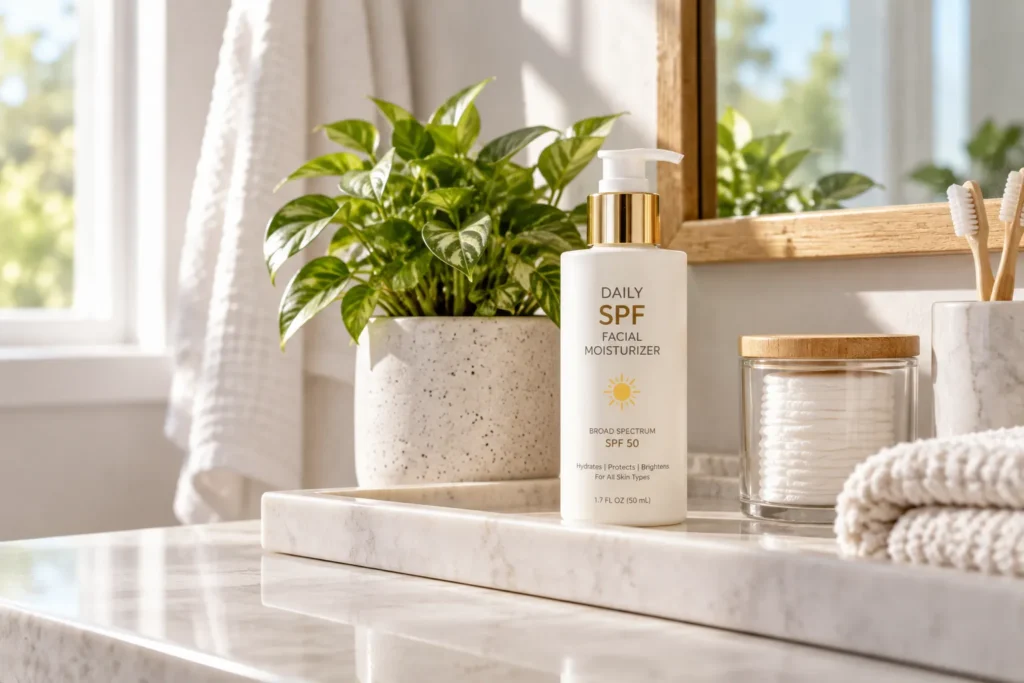
Building sunscreen into your daily routine, regardless of season or weather, is the single most effective habit for long term skin health. It does not need to be complicated. A simple daily moisturizer with SPF built in covers most everyday needs, and that consistency matters more than finding a perfect or expensive product.
A Simple Shift That Protects Your Skin for Years
Understanding ultraviolet radiation does not require a science degree, just a willingness to see the sun differently than you probably have before. Once you know how UV rays work, protecting your skin becomes less about fear and more about a few small daily habits. Your skin will thank you for the consistency more than any single expensive product ever could. Try picking just one fact from this list to act on this week, whether that means keeping sunscreen in your bag or grabbing UV rated sunglasses. Small steps like these add up to real protection over time.
Image Alt Text Suggestions
- Woman experiencing UVA exposure through a sunny car window while driving
- Overcast cloudy sky showing UV rays can still reach skin without direct sunlight
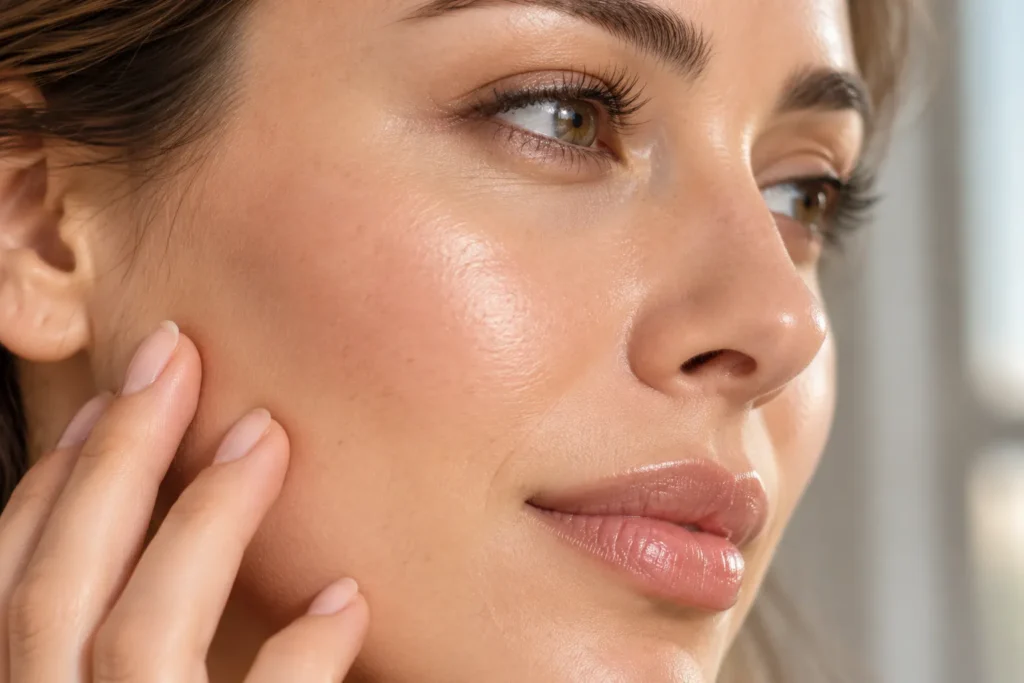
- Close up of healthy skin texture representing long term sun protection results
- Sunlight reflecting off ocean water increasing UV exposure at the beach
- Two hands of different skin tones showing sun protection matters for every skin type
- Clock face overlaid on a bright midday sky showing peak UV exposure hours
- Woman wearing a lightweight cover-up with sunlight passing through the fabric near a pool
- Woman applying daily sunscreen at a bathroom mirror before leaving the house
- Woman wearing UV protective sunglasses outdoors on a sunny day
- Small travel size sunscreen tube next to a handbag for reapplication on the go
- Daily SPF moisturizer bottle on a bathroom shelf near natural window light
FAQ Section
What is ultraviolet radiation and why does it matter for skin?
Ultraviolet radiation is invisible energy from the sun that can damage skin cells over time. It is the main cause of sunburn, early aging, and long term skin damage, which is why daily protection matters.
Can ultraviolet radiation affect my skin on cloudy days?
Yes, UV rays pass through clouds and can still cause damage even when it looks gray outside. Checking the daily UV index is more reliable than judging exposure by how sunny it appears.
Does ultraviolet radiation affect all skin tones the same way?
No, lighter skin tends to burn and show redness, while deeper skin tones are more prone to dark spots and uneven tone. Every skin tone benefits from daily sun protection, just in different ways.
How often should I reapply sunscreen to block ultraviolet radiation?
Reapplying every two hours is a good general rule, and more often if you are swimming or sweating. Keeping a travel size sunscreen with you makes this easier to stick to during the day.
Does clothing fully protect against ultraviolet radiation?
Not always. Thin, light colored fabric offers minimal protection, while tightly woven or dark fabric blocks more. Clothing labeled with UPF protection is a more reliable choice for extended outdoor time.
Is ultraviolet radiation only a concern in summer?
No, UV rays are present year round, even in winter and on cloudy days. Making sunscreen a daily habit rather than a seasonal one gives your skin consistent protection all year.


