

10 Sun Care Mistakes That Could Be Harming Your Skin
You put on sunscreen every morning and figure that’s enough. Then you notice new dark spots, more fine lines, or a sunburn that snuck up on you even though you swore you were careful. It is frustrating when you are trying to do the right thing and your skin still seems to be paying the price.
The truth is, sun care is full of small habits that quietly cancel out all your effort. Most of them have nothing to do with how expensive your sunscreen is. Here are 10 sun care mistakes that could be harming your skin right now, and exactly how to fix each one.
1. Only Applying Sunscreen in the Morning
A lot of people treat sunscreen like a one and done step, applied at 7am and forgotten by noon. But sunscreen breaks down over time, especially once you start sweating, touching your face, or sitting near a sunny window for hours.
The fix is simple. Reapply every two hours if you are outside, and every time you towel off after swimming or sweating. For someone working from home near a bright window all day, even a midday reapplication on the face makes a real difference. Keep a small stick or powder sunscreen at your desk so reapplying takes ten seconds instead of feeling like a whole production.

2. Skipping Sunscreen on Cloudy Days
It feels harmless to skip sunscreen when the sky is gray. Up to 80 percent of UV rays can pass through clouds, which means your skin can still burn or accumulate damage even without direct sun.
This mistake is especially common for people who only think about sun care during obvious beach weather. If you are walking the dog on an overcast morning or running errands under a hazy sky, your skin is still exposed. Make sunscreen part of your morning routine regardless of the forecast, the same way you brush your teeth without checking the weather first.

3. Using Too Little Product
Most people apply less than half the sunscreen needed to get the SPF protection printed on the bottle. A thin, uneven layer means you are getting a fraction of the coverage you think you have.
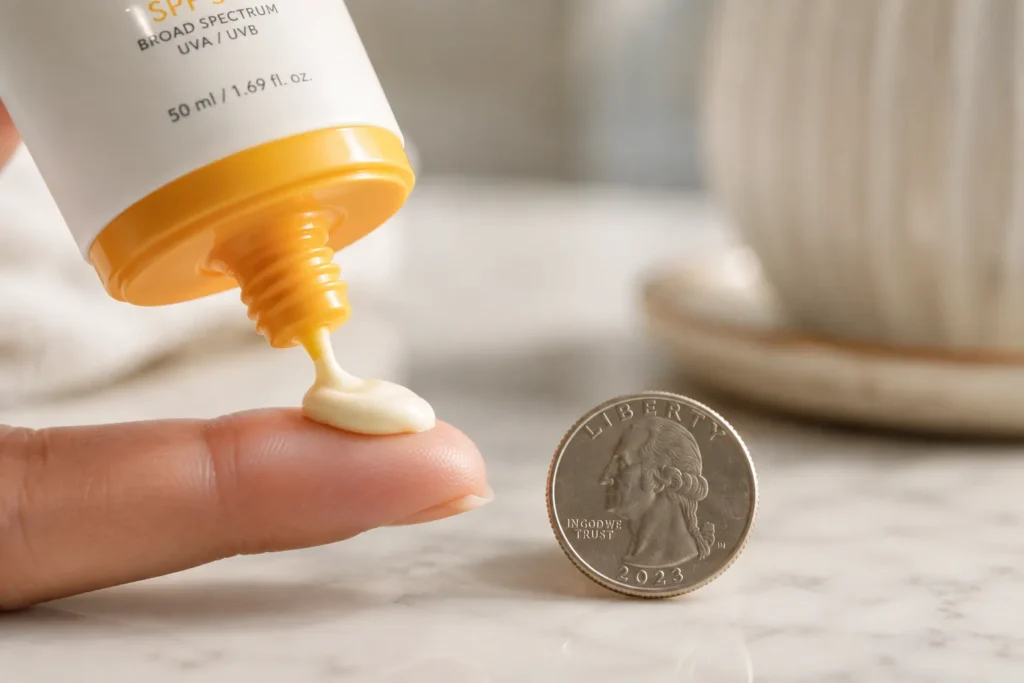
For the face and neck, aim for about a quarter sized amount, similar to a small coin. For the whole body, a full shot glass worth is the general guide. This might feel like a lot at first, especially if you are used to a light dab, but under-applying is one of the biggest reasons people still burn while wearing sunscreen.
[INTERNAL LINK OPPORTUNITY: how much sunscreen you actually need for full coverage]
4. Forgetting Easy to Miss Spots
Ears, the back of the neck, the tops of the feet, and the part line in your hair are some of the most commonly skipped areas. These spots burn just as easily as your face, but they rarely get a second thought.
A good habit is to do a quick mental checklist before you leave the house. Ears, neck, feet, hands. If you wear your hair up often, a light mist sunscreen made for the scalp can protect your part line without making your hair greasy. This one small addition prevents a surprising number of painful, easy to avoid burns.

5. Choosing SPF Based on Number Alone
Grabbing the highest SPF on the shelf feels like the safest choice, but SPF only measures protection against UVB rays, the ones that cause sunburn. UVA rays, which cause deeper skin aging and long term damage, are a separate concern entirely.
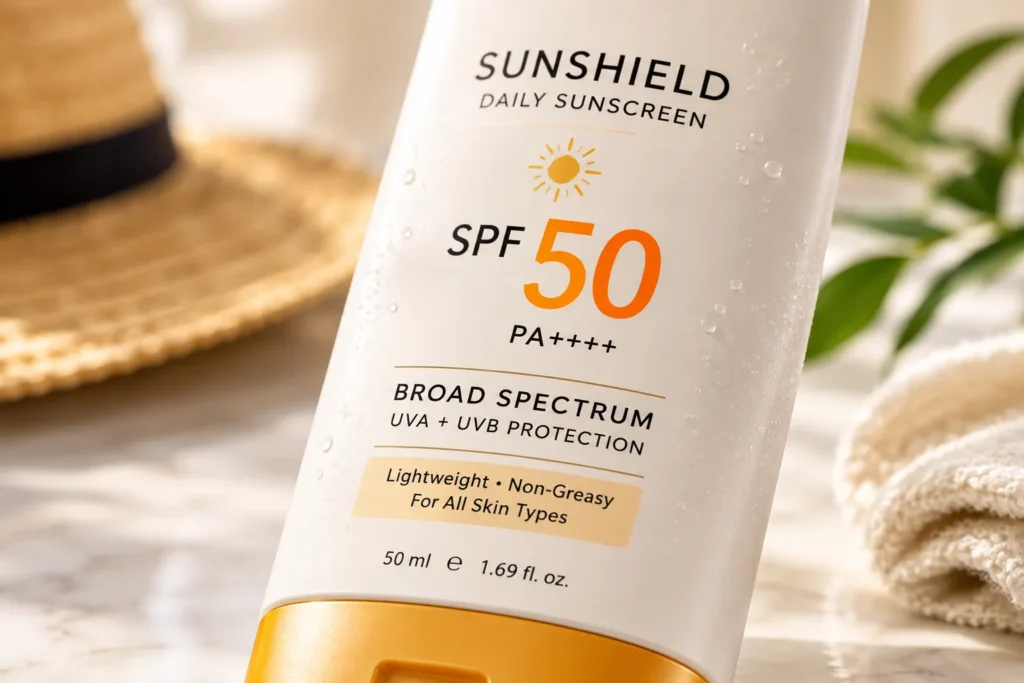
Look for the words broad spectrum on the label. This means the sunscreen protects against both UVA and UVB rays, not just burning. An SPF 30 broad spectrum sunscreen applied correctly and reapplied often will protect you far better than a high SPF product that only blocks one type of ray.
6. Applying Sunscreen After You’re Already Outside
Sunscreen needs time to bind to the skin before it becomes effective. Putting it on the moment you step outside, or worse, once you are already in direct sun, leaves a window where your skin is unprotected.
Apply sunscreen 15 to 20 minutes before heading out. This is especially important for beach days or long outdoor events where the first hour of exposure often does the most damage. Treating sunscreen like the last step before you walk out the door, similar to grabbing your keys, helps this timing become automatic.
7. Relying on Makeup with SPF as Your Only Protection
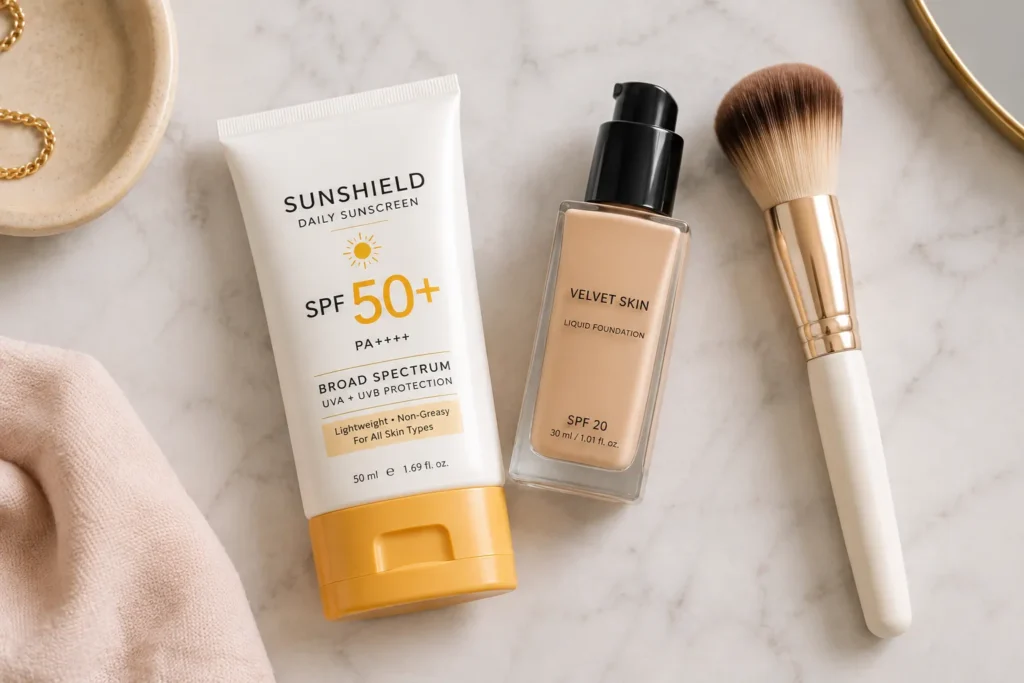
Foundation or powder with SPF 15 built in feels convenient, but most people don’t apply enough of it to get real protection, and it is rarely broad spectrum on its own.
Think of SPF makeup as a small bonus layer, not your main defense. Apply a proper sunscreen first, let it settle, then add your makeup on top. For someone who wears a full face daily, this two step approach protects skin without changing how the makeup looks or wears throughout the day.
8. Not Adjusting Sun Care for Different Activities
The sunscreen that works for a walk to your car is not enough for a day at the pool or a long hike. Sweating and swimming both wear sunscreen off far faster than everyday activity.
For water or heavy sweat days, choose a water resistant formula and reapply every 40 to 80 minutes depending on the label, and always right after towel drying. For a beach vacation, packing a dedicated water resistant sunscreen separate from your daily one keeps you from running out of protection halfway through the trip.
[INTERNAL LINK OPPORTUNITY: best water resistant sunscreens for beach and pool days]

9. Ignoring Sun Care Through Car Windows and Indoor Light
Most car windows block UVB rays but let a significant amount of UVA rays through, which is why some people develop more sun damage on the side of their face closest to the driver’s side window. Bright indoor light near large windows can add up the same way over time.
If you drive often or sit near a sunny window for work, a light daily sunscreen on your face and hands is worth keeping up even on days you never technically go outside. This mistake tends to surprise people the most because it happens without any obvious sign of sun exposure.

10. Treating Sun Care as a Summer Only Habit
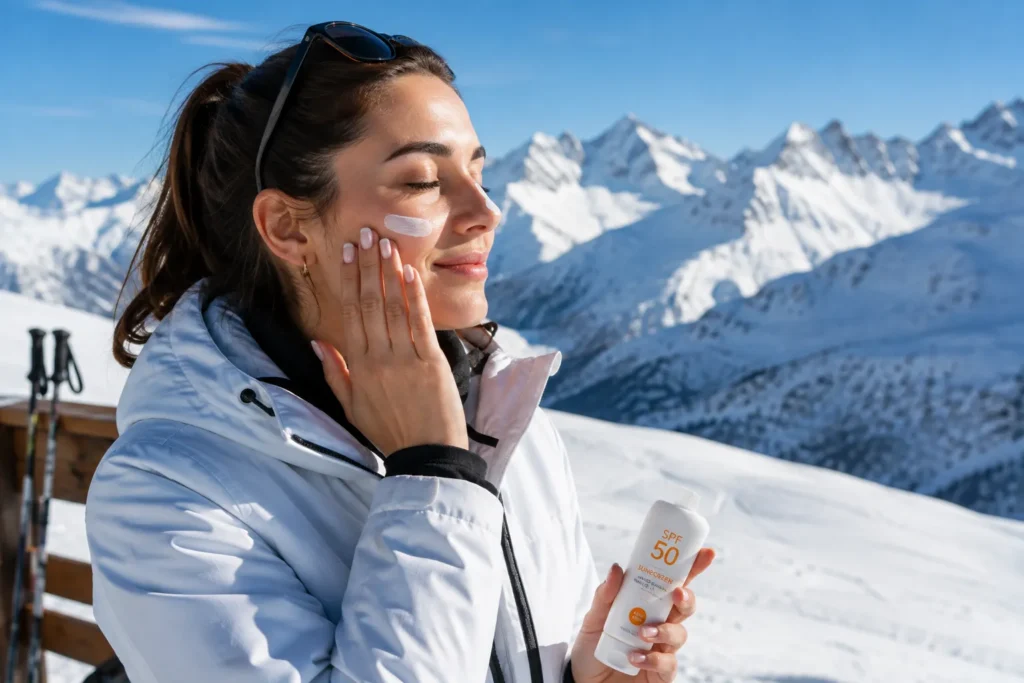
UV exposure doesn’t disappear in the winter. Snow can reflect up to 80 percent of UV rays, and high altitude locations receive stronger sun exposure even in cold weather.
If you ski, hike in winter, or simply spend a lot of time outside on bright winter days, sunscreen still belongs in your routine. Keeping a lightweight daily sunscreen as a year round habit, rather than something you pull out only in June, protects your skin from cumulative damage you might not notice until years later.
Sun care mistakes are rarely dramatic. They are small, easy to miss habits that quietly build up over months and years. The good news is that every single one of these is simple to fix once you know what to look for. Pick one or two of these to work on this week, whether that means reapplying by lunchtime or finally checking your sunscreen for broad spectrum coverage. Your skin will thank you for it later, even if you don’t see the results right away. Save this list so you can come back to it before your next beach day or winter hike.
Image Alt Text Suggestions
- Woman applying stick sunscreen near a sunny window while working
- Overcast cloudy sky over a quiet residential street
- Sunscreen being squeezed onto a fingertip next to a coin for size reference
- Woman applying sunscreen to her neck and ears in a mirror
- Close up of a sunscreen label showing broad spectrum SPF protection
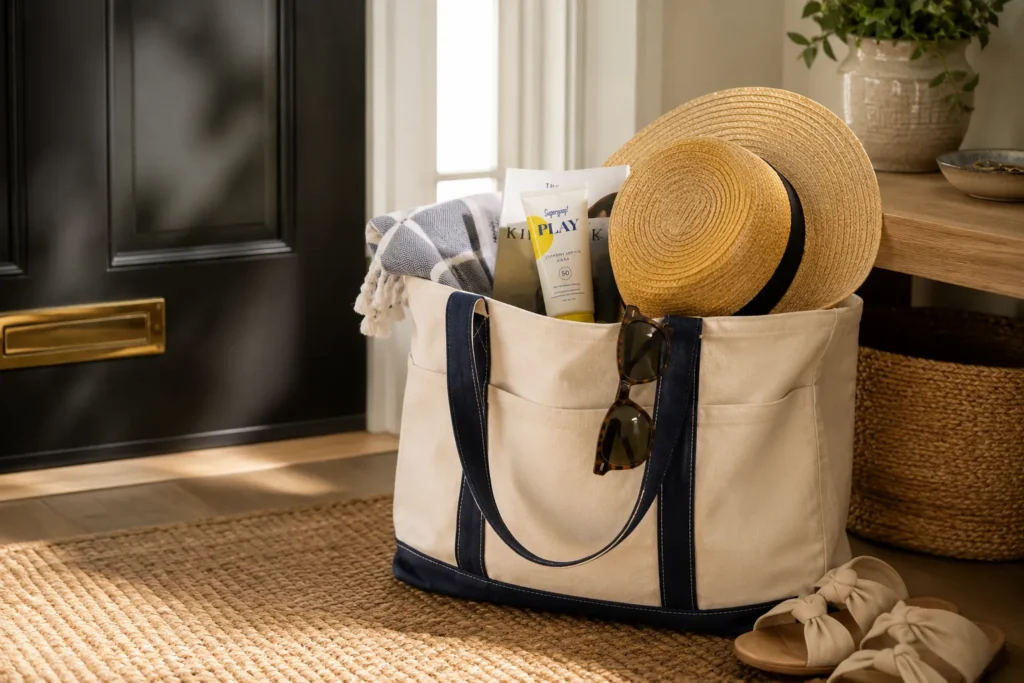
- Packed beach bag with sunscreen, hat, and sunglasses by the front door
- Flat lay of sunscreen, foundation bottle, and makeup brush
- Person reapplying sunscreen poolside with a towel nearby
- Sunlight shining through a car window onto a driver’s hands
- Person applying sunscreen on a bright snowy mountain slope
FAQ Section
Do I really need sunscreen every single day, even in winter?
Yes. UV rays are present year round, and snow can reflect a large amount of that exposure back onto your skin. A lightweight daily sunscreen protects against cumulative damage even on cold or cloudy days.
How much sunscreen should I actually be using on my face?
A quarter sized amount, about the size of a small coin, is the general guide for full face coverage. Most people apply far less than this, which is a major reason for reduced protection.
Is a higher SPF always better?
Not necessarily. SPF only measures protection against UVB rays. Broad spectrum coverage, which protects against both UVA and UVB rays, matters more than chasing the highest SPF number.
Can I rely on makeup with SPF instead of regular sunscreen?
It’s best used as an extra layer, not your main protection. Most people don’t apply enough SPF makeup to reach the labeled protection level, so a proper sunscreen underneath is still important.
Why do I still get sun damage even though I wear sunscreen daily?
Common causes include applying too little product, skipping reapplication, missing spots like the ears or neck, or using a sunscreen that isn’t broad spectrum. Small gaps like these add up over time.
Does sitting near a window or driving a lot really affect my skin?
Yes. Many car windows let UVA rays through even while blocking UVB rays, and strong indoor light near windows can contribute to gradual sun damage as well.


