

12 Safety Tips to Build Safer Everyday Habits
Ever walked out the door and then spent the next ten minutes wondering if you left the stove on? You are not alone. Most of us carry a low hum of worry about the small stuff, the things that feel too minor to plan for but too risky to ignore. The good news is that real safety does not come from being paranoid. It comes from a handful of small habits that run quietly in the background of your day. This list covers 12 practical safety tips you can start building into your routine right now, one small habit at a time.
1. Do a Two Minute Exit Check Before You Leave Home
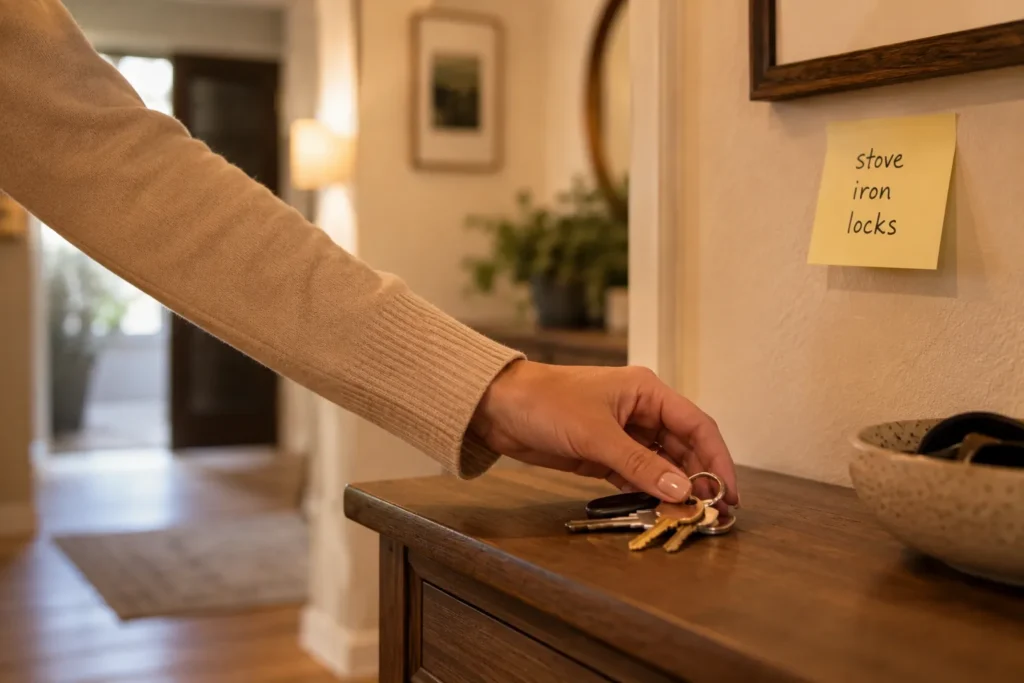
This one takes less time than picking an outfit. Before you leave the house, glance at the stove, check that the iron is unplugged, and make sure doors and windows are locked. It sounds obvious, but most people skip it because they are rushing.
The fix is to attach this check to something you already do, like grabbing your keys. Keep a small sticky note near the door that says stove, iron, locks. In a rental apartment where space heaters are common in winter, this habit matters even more, since portable heaters are one of the most overlooked fire risks in small homes.
2. Keep a Charged Flashlight in Every Main Room
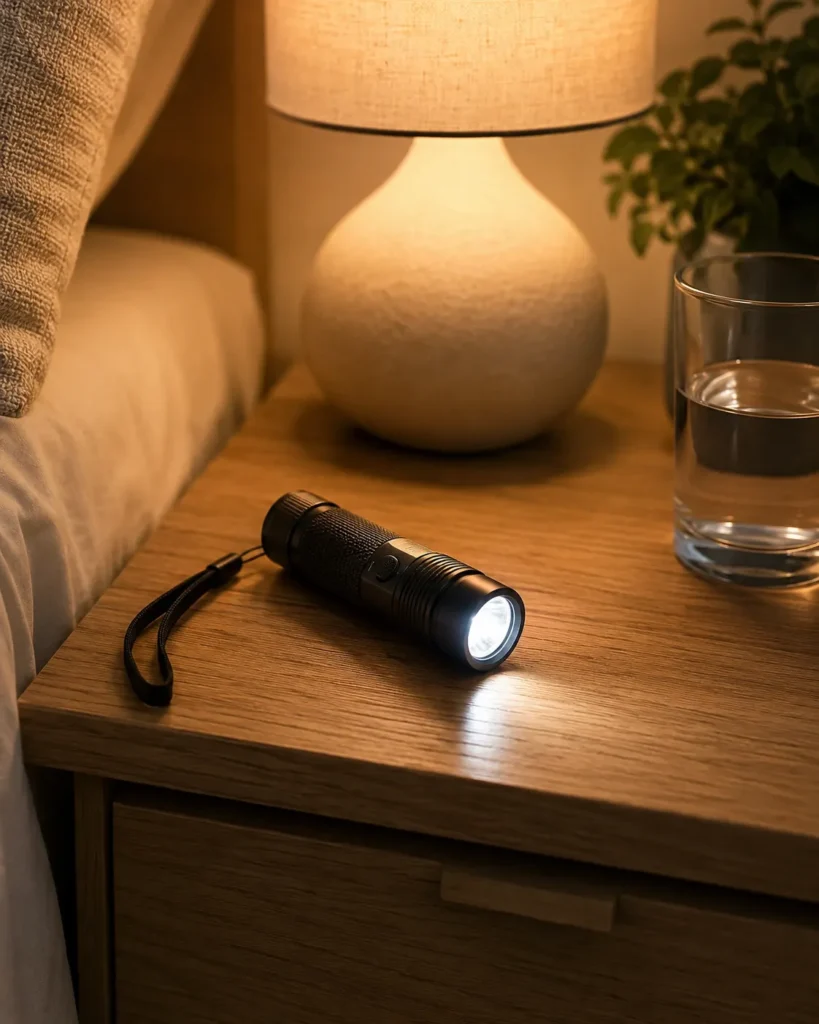
Phones die at the worst possible moment, usually right when the power goes out. A lot of people rely only on their phone flashlight, then panic when the battery is already low from the day.
Place one small flashlight in the kitchen, one in the bedroom, and one near the front door. Check the batteries every few months, maybe when you change your smoke detector batteries so you remember. For anyone in an older apartment with unpredictable wiring, this is a small habit that pays off the first time the lights flicker.
3. Test Smoke Alarms More Often Than You Think You Need To
Most people install a smoke alarm and then forget it exists until it starts chirping at 2am. The mistake is assuming a working alarm stays working forever. Dust, age, and dead batteries quietly turn a life saving device into a decoration.
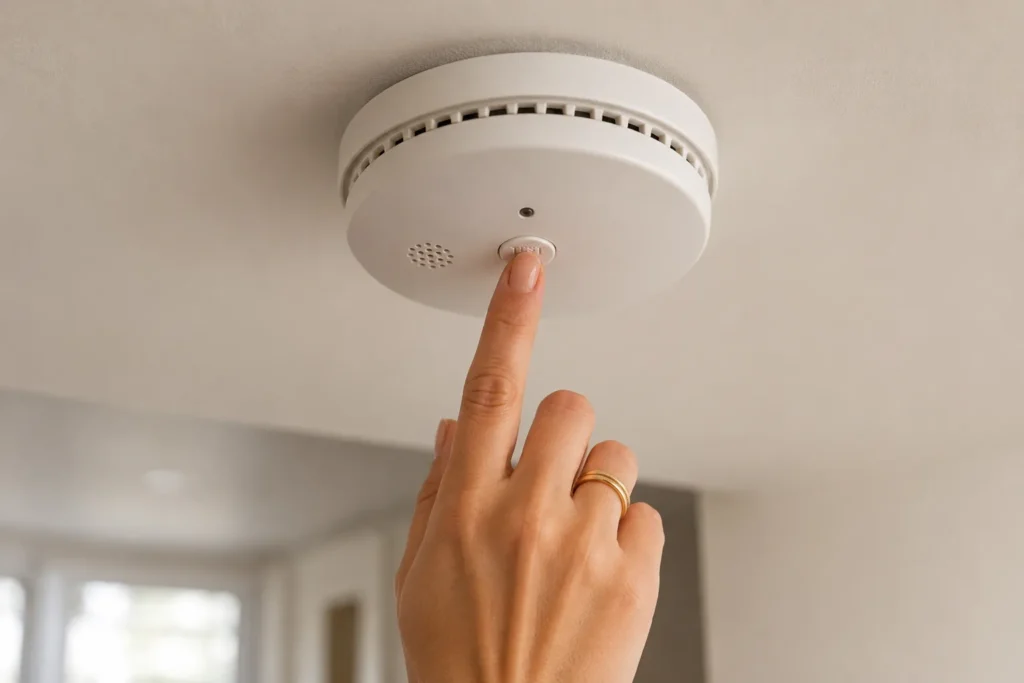
Press the test button once a month. It takes ten seconds. Replace the batteries twice a year, and replace the whole unit every ten years since the sensors themselves wear out over time. This one habit is the single biggest fire safety upgrade most homes are missing.
[INTERNAL LINK OPPORTUNITY: budget-friendly home safety upgrades for renters]
4. Store Sharp Kitchen Tools the Right Way
A messy knife drawer is one of the most common sources of small kitchen injuries. Loose blades shifting around every time you reach in creates real risk, especially in a rush before dinner.
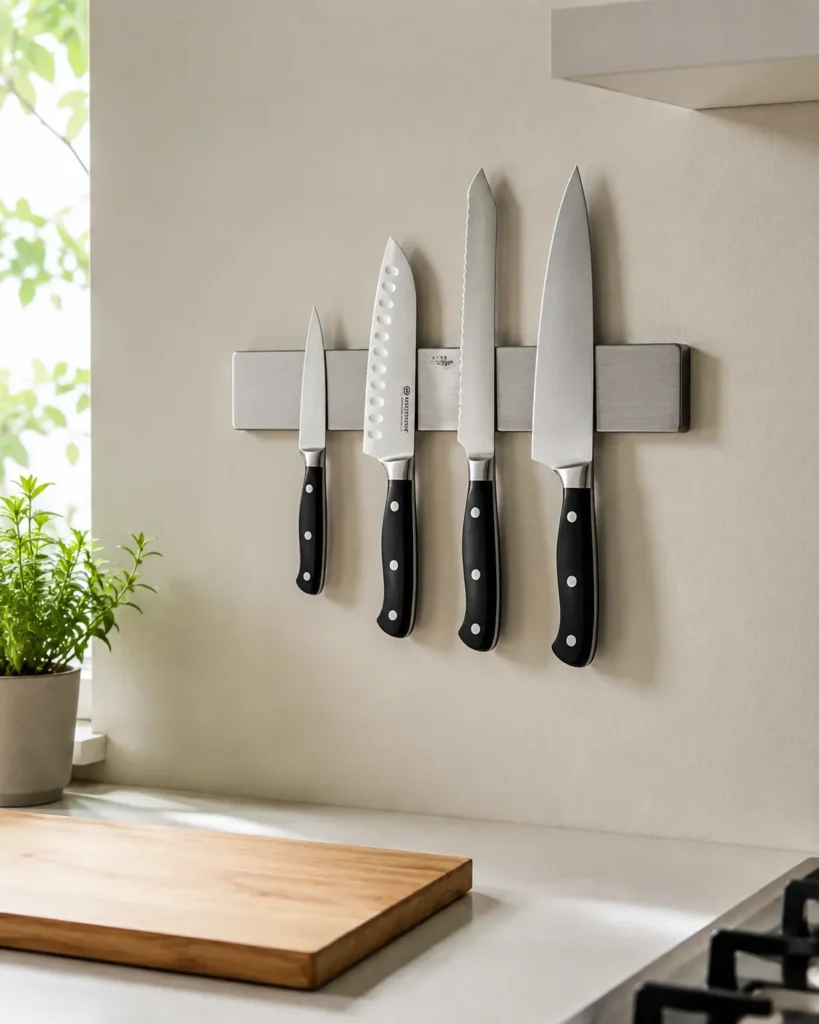
Use a knife block, a magnetic strip, or drawer inserts that hold blades in place. Always cut on a stable board, not directly on a countertop where the knife can slip. For a small apartment kitchen with limited counter space, a wall mounted magnetic strip saves both space and fingers, since it keeps sharp tools visible and out of a crowded drawer.
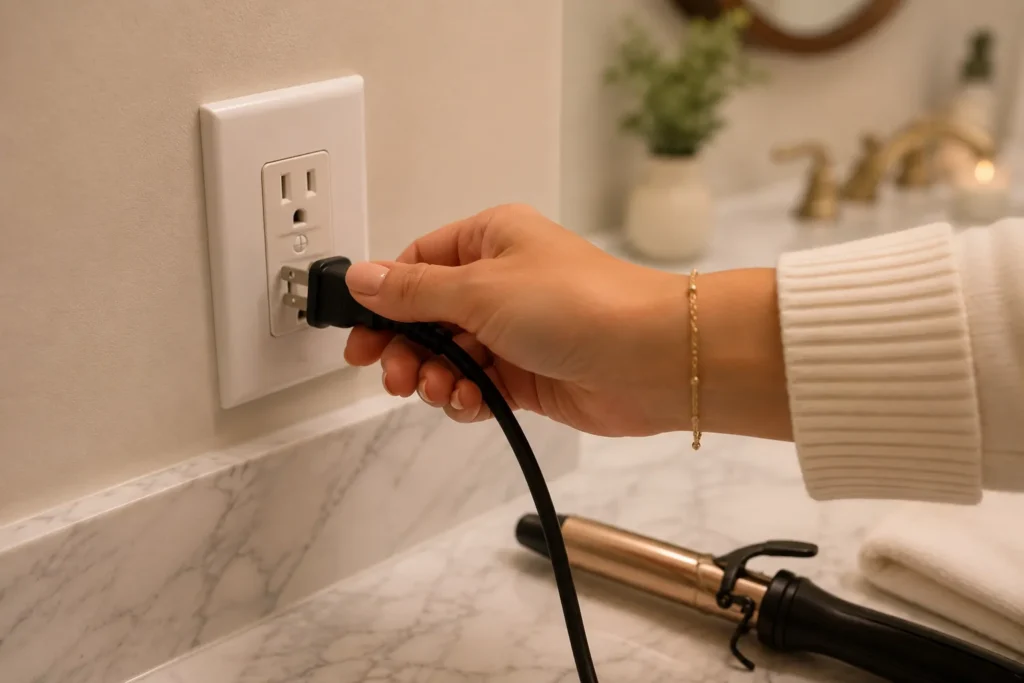
5. Unplug Small Appliances When Not in Use
It is easy to leave a curling iron, toaster, or space heater plugged in simply because unplugging feels like an extra step. But a plugged in appliance left near fabric, paper, or water is a common cause of house fires and small accidents.
Build the habit of unplugging any heat generating appliance the moment you finish using it, not later. In a shared apartment or a home with kids and pets around, this single habit removes a huge chunk of everyday risk before it ever becomes a problem.
6. Keep a Basic First Aid Kit Somewhere You Will Actually Use It
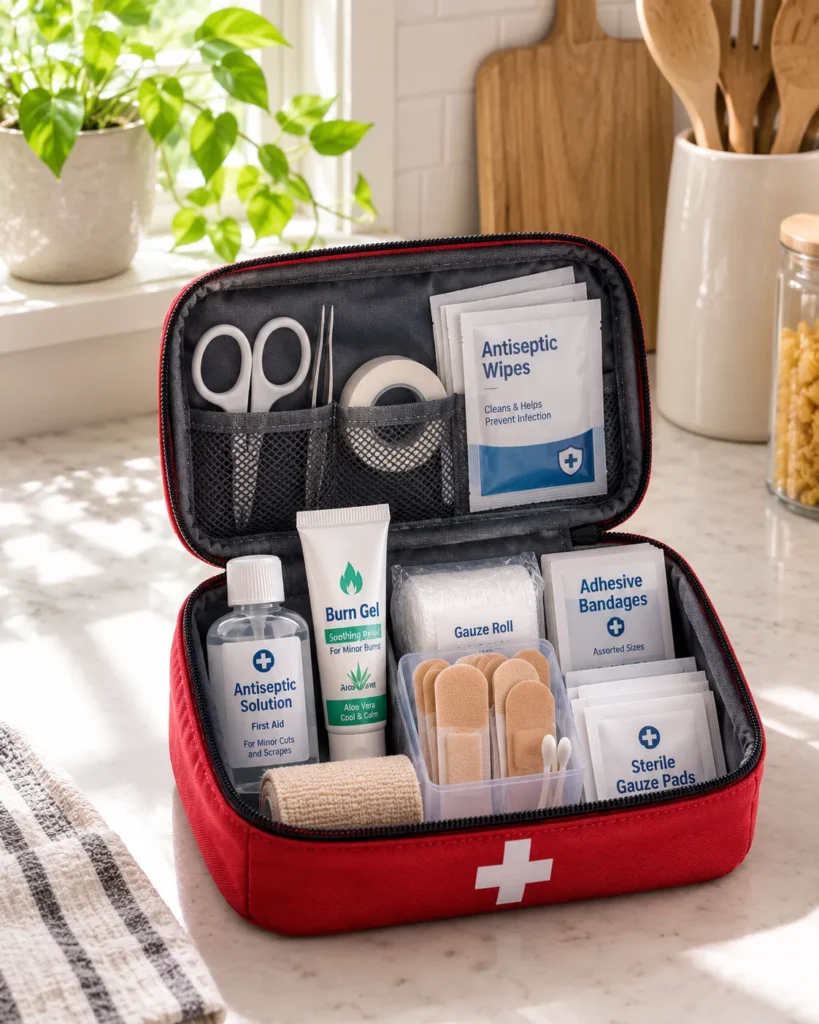
A lot of first aid kits end up buried in a closet, which means they get forgotten right when a small cut or burn happens in the kitchen. The mistake is treating first aid supplies like a rare emergency item instead of something for everyday minor accidents.
Keep a small kit in the kitchen and another in the bathroom. Include bandages, antiseptic wipes, and a small tube of burn gel, since kitchen burns are far more common than most people expect. Check it every few months and restock anything used up.
7. Secure Loose Rugs and Cords to Prevent Falls
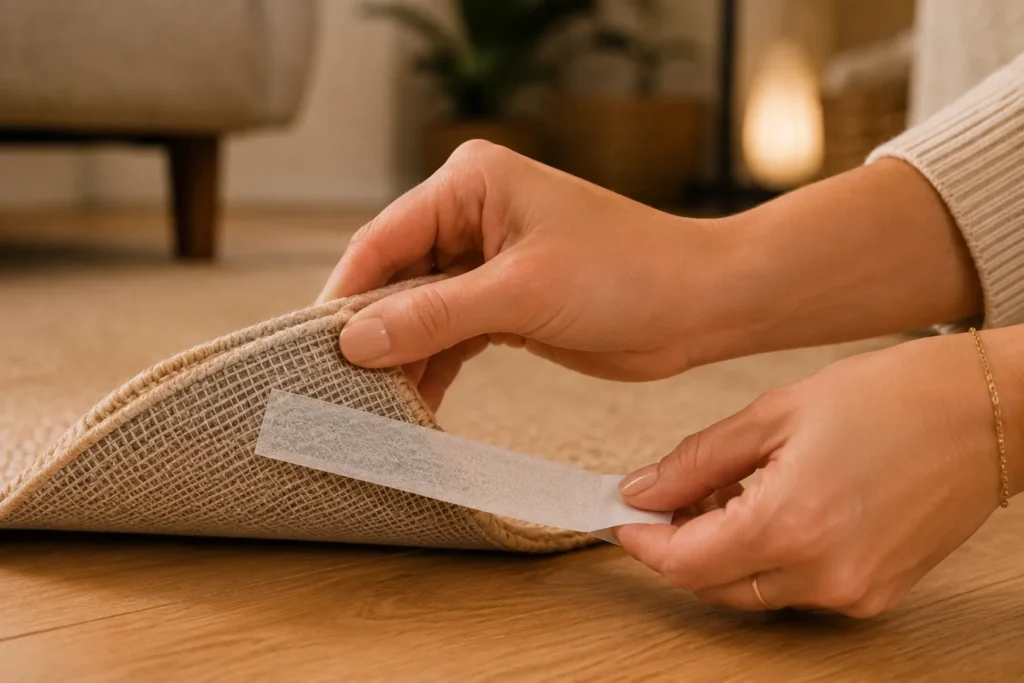
Falls at home happen more often than people admit, and a loose rug edge or a cord stretched across a walkway is usually the cause. This is easy to overlook because you walk the same path every day without noticing the hazard.
Add non slip backing tape under rugs, especially near stairs and bathrooms where water makes floors slippery. Tuck cords along baseboards instead of leaving them across open floor space. In a small apartment where every inch of floor gets walked on daily, this small fix prevents one of the most common home injuries.
8. Know Where Your Circuit Breaker Panel Is and How to Use It
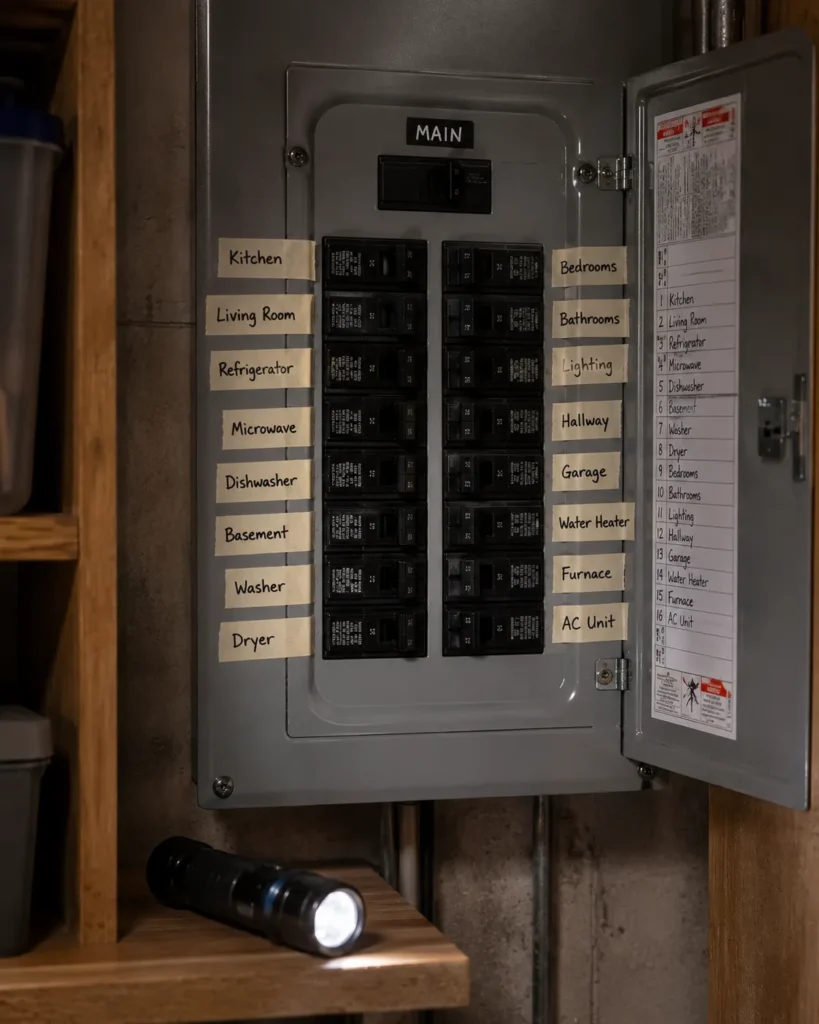
Many people move into a home or apartment and never actually locate the circuit breaker panel until something trips in the middle of cooking dinner. Not knowing where it is turns a small inconvenience into a stressful scramble in the dark.
Take five minutes to find the panel, label each switch clearly, and keep a small flashlight nearby just for that spot. This matters even more in older buildings where wiring can be inconsistent and breakers trip more often than in newer construction.
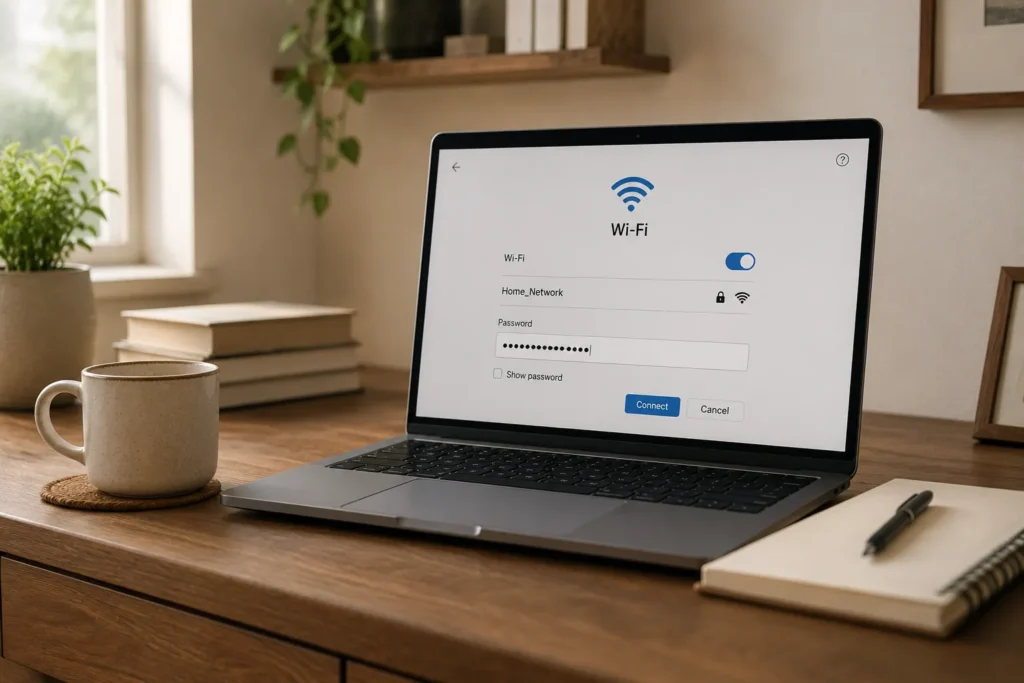
9. Set Up Password Protected Wifi and Update It Occasionally
Digital safety is part of everyday safety too, and an unsecured home network is an easy target. A lot of people set up wifi once and never think about it again, which leaves the door open longer than it should be.
Use a strong password, enable your router’s built in firewall if available, and update the password every year or so. For anyone working from home or handling personal information online, this quiet habit protects far more than most people realize.
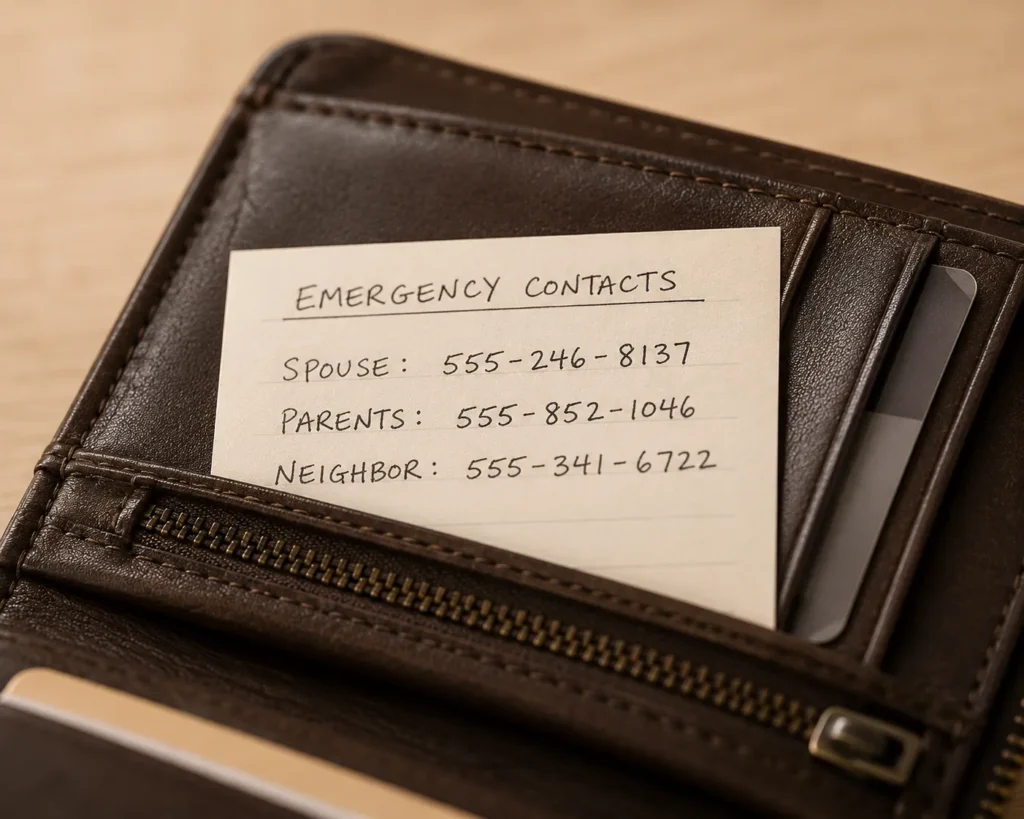
10. Keep Emergency Contacts Somewhere Other Than Just Your Phone
If your phone is lost, dead, or damaged, emergency contacts saved only in your contacts list disappear with it. Most people never think about this until they actually need help and cannot access their phone.
Write down two or three emergency contacts on a small card and keep it in your wallet or a kitchen drawer. Include a family member, a close friend, and your building manager if you live in an apartment complex. This small habit becomes especially useful when you are traveling or staying somewhere unfamiliar.
11. Walk Your Space With Fresh Eyes Once a Season
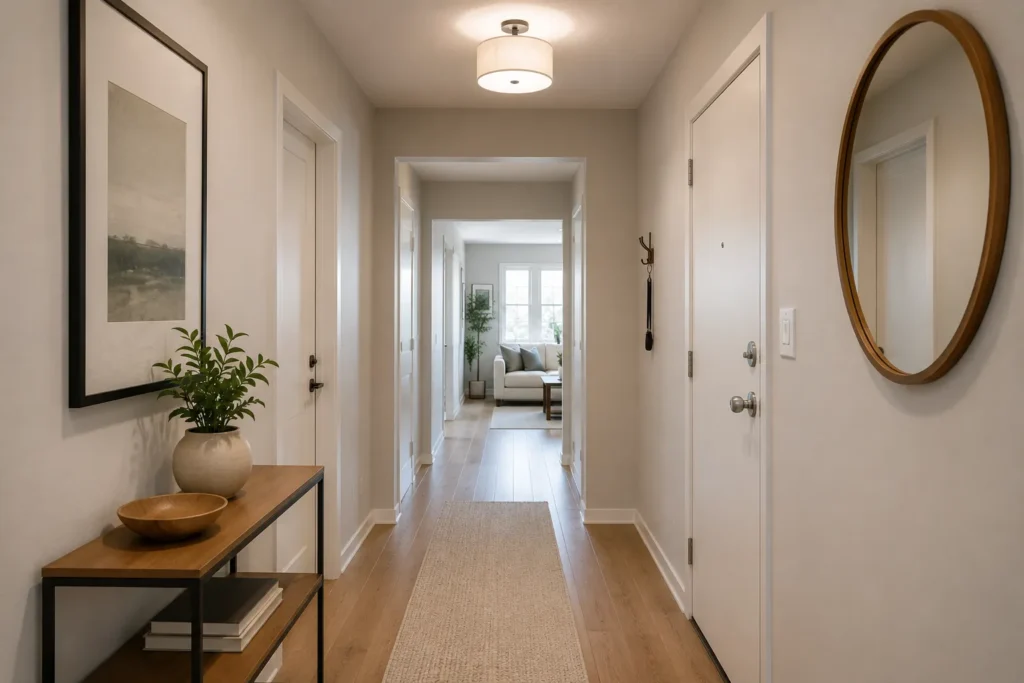
It is easy to stop noticing hazards in your own home simply because you see the same space every single day. A stack of boxes near an exit, a wobbly shelf, or a dim hallway light all become invisible after enough time passes.
Once every season, walk through your home like a first time visitor. Check exits are clear, shelves are secure, and hallway lighting actually works. This habit works especially well for anyone renting a new apartment or recently rearranging furniture, since new layouts create new blind spots.
[INTERNAL LINK OPPORTUNITY: small apartment organization ideas that also improve safety]
12. Talk Through a Simple Plan With Everyone in Your Household
A lot of safety habits fall apart because only one person in the home actually knows the plan. If something happens and you are not there, the rest of the household is left guessing what to do.
Spend fifteen minutes talking through the basics with roommates, a partner, or family. Cover where the flashlights are, where the first aid kit lives, and what the plan is if the smoke alarm goes off. You will want to revisit this conversation every so often, since routines and living situations change more often than people expect.

A Few Small Habits Go a Long Way
None of this requires turning your home into a bunker or living in constant worry. Real safety is quiet and boring most of the time, which is exactly why it works. The point of this list was never to make you anxious, it was to make you a little more prepared without changing your whole life. Pick just one habit from this list and start there this week. Save this article so you can come back for the rest when you are ready.
Image Alt Text Suggestions
- Woman grabbing keys from entryway table with safety reminder note
- Small flashlight on bedroom nightstand for power outage preparedness
- Hand testing smoke alarm button on ceiling for home fire safety
- Magnetic knife strip on kitchen wall for safe knife storage
- Unplugging curling iron from bathroom outlet to prevent fire risk
- Open first aid kit on kitchen counter with bandages and wipes
- Applying non slip grip tape under area rug to prevent falls
- Labeled circuit breaker panel switches in a home utility area
- Laptop showing wifi password settings screen on a home desk
- Handwritten emergency contact card inside an open wallet
- Clear tidy hallway with working light fixture and open walking path
- Family sitting at kitchen table discussing a simple home safety plan
FAQ Section
What are the most important safety tips for a home? The basics matter most: working smoke alarms, clear exits, secure rugs and cords, and knowing where your circuit breaker panel is. These small things prevent the majority of common home accidents.
How often should I test my smoke alarm? Test it once a month by pressing the test button, replace the batteries twice a year, and replace the whole unit every ten years since the internal sensors wear out over time.
What should be in a basic first aid kit? A basic kit should include bandages, antiseptic wipes, gauze, and a small tube of burn gel. Keep one in the kitchen and one in the bathroom since minor accidents happen most often in those two rooms.
How can I make my apartment safer without spending much money? Focus on free or low cost habits first, like unplugging appliances after use, adding non slip tape under rugs, and labeling your circuit breaker panel. These cost very little but reduce a lot of everyday risk.
Why is wifi security considered a safety tip? An unsecured home network can expose personal information to anyone nearby. A strong password and an occasional update to your router settings protects your data the same way locking your door protects your home.
How do I get my household on the same page about safety? Set aside fifteen minutes to walk through where supplies are kept and what to do in common situations, like a smoke alarm going off. A short, casual conversation is enough, it just needs to happen more than once.


